How to Crate Train a German Shepherd Puppy (Step-by-Step)
A calm, positive crate-training plan that turns the crate into a den your German Shepherd actually likes.

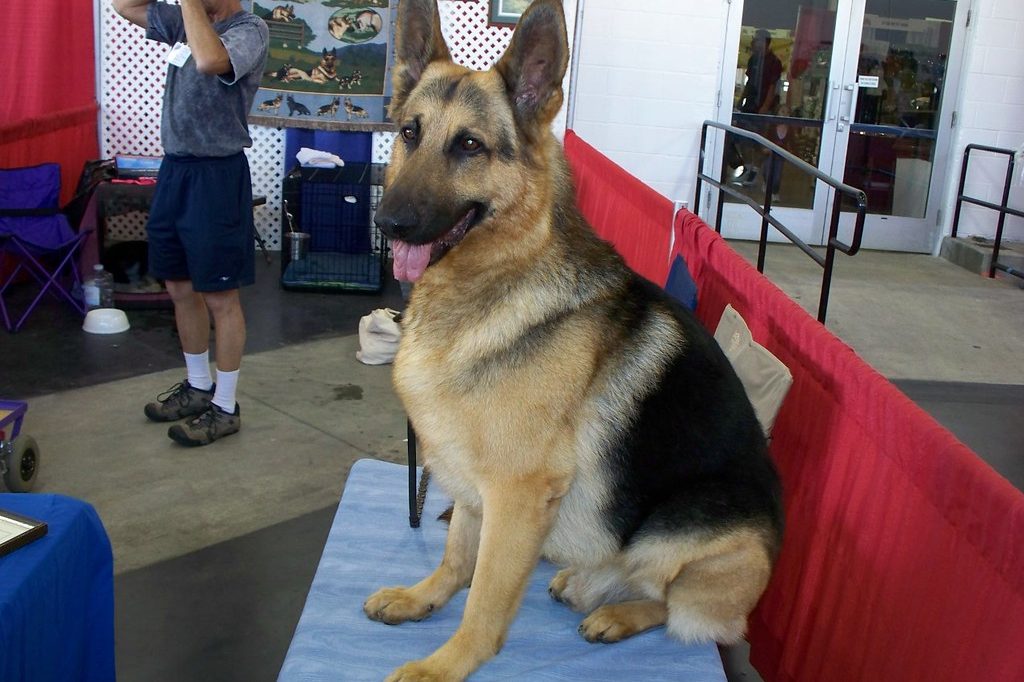
Short answer: make the crate the best room in the house
Crate training works when the crate predicts good things and never gets used as a punishment. Feed meals in it, hand out frozen chews in it, keep the door open at first, and build the closed-door time up in seconds — not hours. Most German Shepherd puppies settle within 3 to 7 nights when the crate sits beside your bed to begin with.
Nobody warns you about the noise. You spend weeks getting excited about your German Shepherd puppy, you set up a lovely crate with a soft blanket, you close the door at 10pm — and the sound that comes out of that crate could strip paint. By 2am you are sitting on the kitchen floor wondering whether the whole idea is cruel.
It isn’t cruel. But the way most people are told to do it certainly feels that way. A crate is not a training device you put a puppy into. It is a bedroom you teach a puppy to like. Once you flip that around, everything gets easier — and much quieter.
This guide covers which crate to buy, where to put it, a seven-day plan that starts with the door wide open, exactly what to do at night, how long a puppy can reasonably be left, and what to do when the crying starts. It is all reward-based. Nothing here involves ignoring a distressed puppy until they give up.
Owners of German Shepherd puppies from 8 weeks to about 8 months, plus anyone re-training an older dog who has had a bad crate experience. If your dog panics, drools, scratches until their paws bleed or destroys bedding when confined, skip to the crying section — that pattern needs a different plan and often a professional.
Why Crate Training Works So Well for This Breed
German Shepherds are busy, watchful dogs. They like to know where everyone is and what everyone is doing. That is wonderful when you want a dog who notices things, and exhausting when you have a puppy who cannot switch off because the washing machine finished and somebody walked past the window.
A crate gives that busy brain a clear off-duty signal. Four walls, one door, nothing to supervise. Owners are often surprised that a properly introduced crate makes their puppy calmer during the day, not just quieter at night — because the dog finally has somewhere that is not their job.
The four things a crate actually gives you
- Faster toilet training. Puppies avoid soiling where they sleep, so a correctly sized crate helps them hold on between trips outside — and tells you when they genuinely need to go.
- Protected sleep. A German Shepherd puppy needs 18–20 hours of sleep a day. Without a boundary, most of them fight it and turn into a biting, screaming mess by evening.
- Safety. No chewed cables, no swallowed socks, no stairs at 3am while you are asleep.
- An easier life later. Vet stays, recovery from surgery, car travel and staying with friends are all vastly less stressful for a dog who already thinks a crate is normal.
You are not teaching your puppy to tolerate a box. You are teaching them that the box is where the food, the chews and the peace live. Get that right and the door closing becomes a detail.
A crate is not a solution for a dog left alone too long, and it is not a fix for separation anxiety — confinement usually makes true separation distress worse. It should also never be used as a punishment, or a puppy will simply learn to avoid it. If you need to be out for long stretches, a puppy pen with a bed, water and a toilet area is the kinder option.
Choosing the Right Crate (and Size)
Buy for the adult dog and use a divider while they grow. A full-grown German Shepherd usually needs a 42-inch (107cm) crate; very large males occasionally need 48 inches. Buying a small crate now and a big one later costs more and means teaching the whole thing twice.
The right size is simple: your dog should be able to stand without ducking, turn around comfortably, and lie fully stretched out on their side. Anything bigger during toilet training just gives a puppy room to use one end as a bathroom.
| Crate type | Best for | Watch out for |
|---|---|---|
| Wire crate with divider | Most owners — airflow, visibility, folds flat, grows with the puppy | Noisy if the tray rattles; add a blanket over the top for a den feel |
| Plastic airline-style | Travel, nervous dogs who prefer enclosed spaces | Harder to clean, no divider, poor airflow in warm rooms |
| Furniture / wooden crate | Adult dogs who are already crate trained and live in the living room | Chewers destroy them; not for puppies or teething months |
| Soft fabric crate | Calm adult dogs, camping, shows | A German Shepherd puppy will be through the mesh in an afternoon |
| Heavy-duty steel | Dogs who have already escaped or damaged a wire crate | Expensive and heavy — solve the anxiety first, do not just build a stronger box |
Look for two doors (front and side — far more flexible in a real room), a removable plastic tray (accidents happen), and a crate that folds flat for the car. Our German Shepherd crate guide compares sizes and styles in detail, and the gear size visualizer shows how a 42-inch crate actually looks next to a full-grown dog.
Where to Put the Crate
Start the crate in your bedroom, beside the bed. This is the single change that turns a screaming first week into a quiet one. Your puppy has just left a warm pile of littermates; being able to hear you breathe is worth more than any blanket that smells of the breeder.
After a week or two of settled nights you can move the crate a metre at a time towards wherever you want it to live long term — usually the corner of the living room or kitchen. Move it slowly. If crying restarts, you have gone too far too fast; put it back to the last quiet position for a few more nights.
Two crates is not overkill
Plenty of owners end up with a night crate in the bedroom and a day crate downstairs. Second-hand wire crates are cheap and it saves dragging one up and down the stairs. Whichever you use, keep the rules identical: food and chews go in, punishment never does.
Out of direct sun and away from radiators. Not in a draughty hallway. Not directly next to the front door where every delivery sets the dog off. Close enough to family life that the puppy can see people, far enough that they are not being stepped over all evening.
The 7-Day Crate Training Plan
Every step below is short — one to five minutes, several times a day. If your puppy hesitates at any stage, go back one step. Rushing is the only real way to fail at this.
Days 1–2: the crate is a vending machine
Door tied fully open so it cannot swing shut and startle them. Walk past and drop a treat inside. Say nothing, ask for nothing, walk away. Do it twenty times a day.
Why it works: your puppy discovers the crate on their own terms. Nothing you did put them in there, so there is nothing to resist.
Days 2–3: meals move inside
Put the bowl just inside the door. Next meal, a little further back. By the third or fourth meal the bowl is at the far end and your puppy walks all the way in without thinking.
Why it works: eating is incompatible with worrying. You are pairing the space with the best part of a puppy’s day, twice over.
Days 3–4: close the door for two seconds
While they are eating or chewing, push the door to — do not latch it — then open it before they finish. Build to five seconds, then ten, then latched for thirty. Always open the door before the puppy asks to come out.
Why it works: the door closing never becomes the moment the fun stops, so it never becomes a trigger.
Days 4–5: add a frozen chew and sit nearby
Stuffed, frozen chew goes in, door closed, you sit on the floor beside the crate reading your phone. Ten to twenty minutes. When they finish and settle, quietly open the door.
Why it works: this is the first proper “off-duty” session. A frozen chew takes long enough that most puppies fall asleep partway through, which is exactly what you want them practising.
Days 5–6: start leaving the room
Chew in, door closed, walk out for thirty seconds. Come back before they finish and sit down again — no fuss, no greeting. Then two minutes. Then five. Vary it: sometimes you leave for ten seconds, sometimes ten minutes.
Why it works: unpredictable, short absences stop the puppy from anticipating a long one. This is also the foundation of comfortable alone time later.
Days 6–7: crate every nap
Once a day of naps is happening in the crate, you are done with the introduction. Use a soft cue as you guide them in — “bed” or “crate” — and give the chew after they are inside, not as a lure.
Why it works: naps are the easiest wins available. A tired puppy who is guided in at the right moment goes to sleep instead of protesting.
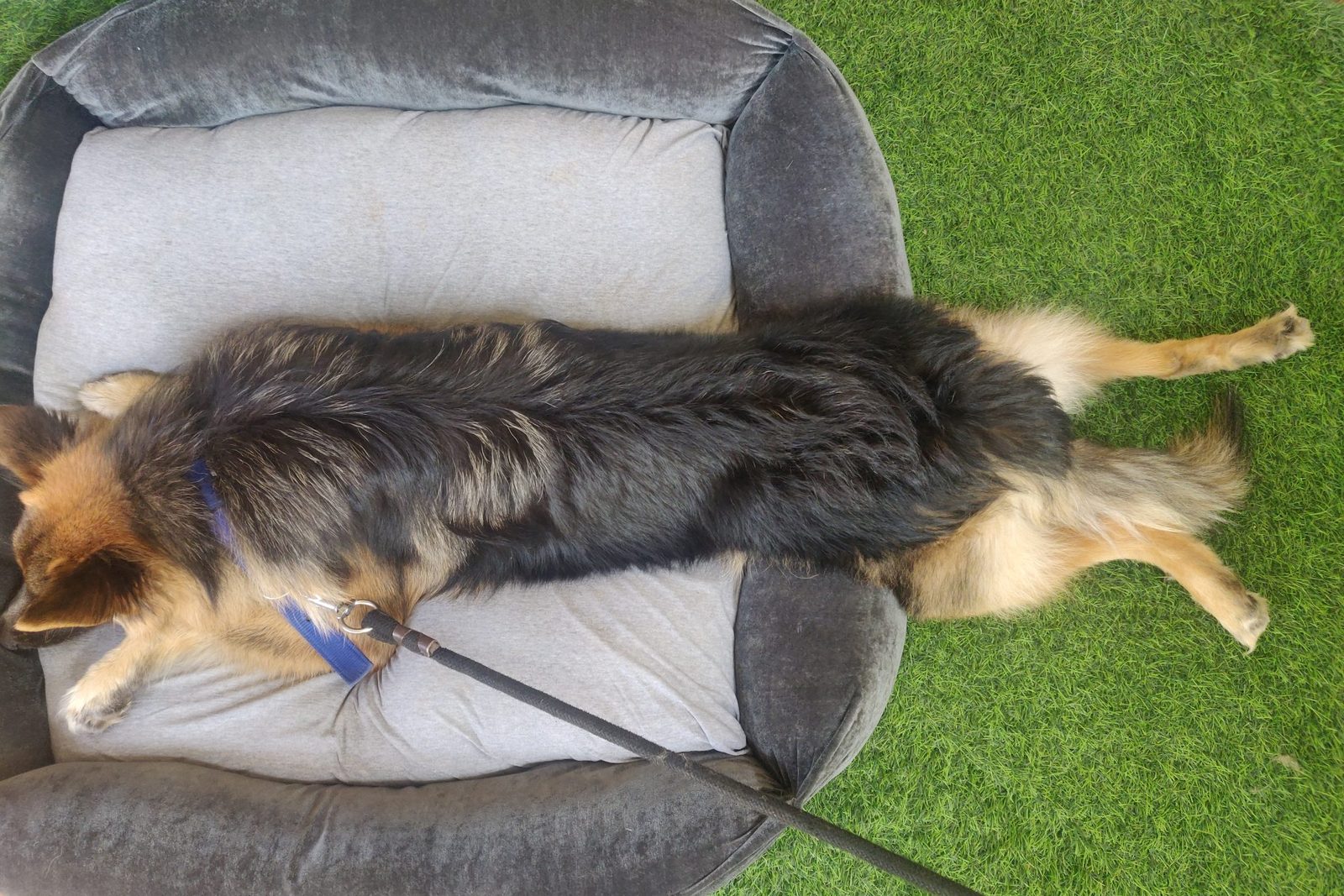
The First Week of Nights
Nights are their own thing. You will not have finished the seven-day plan before the first night arrives, and that is fine — the night plan is separate and simpler.
Last meal a couple of hours before bed. Lift the water bowl about an hour before bedtime for young puppies — not all night, just the last stretch — and offer a final drink after the last toilet trip.
No wild games after 8pm. Chewing, sniffing games and gentle stroking instead. An overtired puppy at bedtime is a screaming puppy at midnight.
Straight out, boring, no play, back in. If nothing happens, wait five minutes and try once more before bed.
Crate beside your bed. A stuffed chew or a snuffle of kibble helps. Hang your hand down where they can smell it — many puppies fall asleep within a minute or two of contact.
Assume the first waking is a genuine toilet need. Lead on, straight to the garden, no talking, no eye contact, no play, straight back to the crate. It should be the most boring event of the night.
Get up before the crying starts if you can — even five minutes earlier. You want to be the one who decides when the door opens, not the puppy.
Most 8-week-old puppies need one or two toilet trips a night for the first few weeks. By 12–16 weeks a lot of them sleep straight through. If your puppy is dry all night but screaming, it is a comfort problem, not a bladder one — move the crate closer to you, not further away.
The fastest route to sleeping through the night is not tougher rules. It is a crate close enough that your puppy can hear you, and nights so boring that there is nothing worth waking up for.
How Long Can a Puppy Stay Crated?
The usual guideline is roughly one hour per month of age, plus one, up to a maximum of about four hours during the day for any puppy. That is bladder capacity, not comfort — a bored puppy in a crate for four hours will not be a happy one even if they can physically hold on.
| Age | Daytime stretch | Night | Reality check |
|---|---|---|---|
| 8–10 weeks | Up to 1 hour | 2–4 hrs between trips | Expect 1–2 wakings. Someone needs to be home nearly all day. |
| 11–14 weeks | 1–2 hours | 4–6 hrs | Naps in the crate become easy; alone-time practice starts properly. |
| 15–20 weeks | 2–3 hours | 6–8 hrs | Many puppies sleep through. Teething may cause the odd bad night. |
| 5–7 months | 3–4 hours | Through the night | Adolescence arrives — expect the occasional protest for no reason. |
| Adult | 4 hours as a routine maximum | Through the night | Many adults no longer need the door closed at all. |
Panting heavily in a warm room · wearing a collar that could catch on the bars (take collars off in the crate) · unwell or recovering without your vet’s guidance · genuinely panicking rather than protesting · being punished. And never use the crate to “wait out” a distressed dog for hours — that is not training, it is just distress.
What Goes Inside the Crate
Less than you think. Bedding, a safe chew, and nothing else. The crate should be comfortable and dull — a bedroom, not a playpen full of squeaky toys.
We recommend product types and the features that matter rather than sponsored placements, and we link to live Amazon results instead of quoting prices that go stale. As an Amazon Associate we may earn from qualifying purchases — at no extra cost to you.
KONG Classic — the frozen stuffed chew
Fill it with soaked kibble, a little wet food or plain yoghurt, freeze it overnight, and hand it over as the crate door closes. It buys fifteen to twenty-five minutes of quiet chewing, which is usually long enough for a puppy to fall asleep in there rather than protest.
- Frozen versions last three to four times longer than dry ones
- Lets you feed part of the daily ration in the crate instead of a bowl
- Tough enough to survive a teething German Shepherd
- Buy two or three so one is always frozen and ready
Good to know: supervise the first few sessions, use the softer blue Puppy version for milk teeth, and bin any chew that starts to crack or split. Freezing is safe — just avoid handing over a rock-solid one to a very young puppy.
| Item | Why it earns its place | Find it |
|---|---|---|
| 42″ crate with divider | Two doors, plastic tray, folds flat — the one crate you will ever need | See options → |
| Washable crate mat | Flat, cheap, machine washable. Save the memory foam for month six | See options → |
| Crate cover or blanket | Turns a wire box into a den and cuts visual triggers at night | See options → |
| Snuffle mat or lick mat | Slow, calming activity for daytime crate sessions | See options → |
| Enzyme cleaner | For the accidents that will happen in week one | See options → |
Leave out: collars and harnesses (catch hazard), stuffed toys with squeakers or plastic eyes, rawhide, anything you cannot see them chew safely, and water bowls that tip — a clip-on bowl is better if the crate session is longer than an hour.
Crying, Whining and Scratching
Some noise in the first few nights is normal. What matters is telling the difference between protest and panic, because they need opposite responses.
- Grumbles, whines, a few barks, then settles
- Stops when you speak quietly or drop a hand down
- Falls asleep within a few minutes
- Gets shorter each night
- Eats and takes chews in the crate happily
- Frantic scratching, biting the bars, escape attempts
- Heavy panting, drooling, wide eyes
- Soiling in the crate despite recent trips outside
- Refuses food or chews once the door shuts
- Gets worse rather than better over several nights
What to do about protest crying
Do not open the door at the peak of a scream — that teaches the scream. But do not ignore your puppy for an hour either. The trick is to get there first: respond to the small noises with a quiet word or a hand near the bars, before it escalates. Then, in a lull, take them out for a boring toilet trip. Over three or four nights the noise shrinks on its own.
What to do about panic
Stop closing the door. Go right back to feeding meals in an open crate, and use a puppy pen for containment in the meantime so nobody is fighting a losing battle at 2am. Genuine confinement distress rarely improves with repetition, and it is one of the few puppy problems where getting a certified, reward-based behaviourist involved early saves months. Your vet can also check that nothing physical — pain, an upset stomach, a urinary infection — is behind the sudden change.
7 Crate Training Mistakes (and the Fix for Each)
❌ 1. Using the crate as a telling-off
“Go to your bed!” after a chewed shoe turns the crate into a consequence. Puppies are extremely good at working out which places predict bad moments.
✅ Fix: the crate is only ever for food, chews and sleep. Manage bad moments with a lead, a gate or a pen instead.❌ 2. Starting with the door shut
Putting a puppy in and closing the door on night one skips every step that makes the crate feel safe.
✅ Fix: two days of open-door treat-dropping and meals inside before the door ever moves.❌ 3. Crate in a separate room
Utility rooms and kitchens behind closed doors mean a puppy alone in the dark in a strange house. That is where marathon screaming comes from.
✅ Fix: bedroom for the first week or two, then move it a metre at a time towards its final home.❌ 4. Opening the door mid-scream
Perfectly understandable at 3am, but it teaches that volume works — and German Shepherds learn fast.
✅ Fix: respond early and quietly to small noises, and open the door in a gap rather than at the peak.❌ 5. A crate that is too big during toilet training
Give a puppy a spare bedroom and they will happily use one corner as a toilet, which undoes the main advantage.
✅ Fix: use the divider so they can stand, turn and stretch out — and no more. Move it out as they grow.❌ 6. Long stretches too soon
Going from twenty minutes of practice to four hours because of a work meeting usually undoes a week of progress.
✅ Fix: build in small steps, and arrange cover for the long days until your puppy is genuinely ready.❌ 7. Big emotional goodbyes and hellos
Fussing on the way in and celebrating on the way out makes the door opening the highlight of the day — and everything before it feels like waiting.
✅ Fix: calm in, calm out. Greet properly a couple of minutes later, once all four paws are settled.Pro Tips From Experienced Owners
🧊 Freeze a batch on Sunday
Six stuffed chews in the freezer means every nap and every crate session starts with something good, without any planning.
🚪 Feed every meal in there for a month
Long after the training is “done”. It keeps the association fresh and costs you nothing.
🔇 Use white noise
A fan or radio at low volume covers the small night sounds that wake a watchful breed.
🧺 Two sets of bedding
One in the wash, one in use. Nothing derails a night like an accident and no clean bedding.
📵 Skip the camera obsession
A pet camera is useful once. Watching it all evening tends to make owners anxious, and the dog picks that up.
🎯 End sessions early
Open the door while your puppy is still relaxed and chewing. Always finish before the mood turns.
Real-Life Examples
You are convinced your puppy is uniquely bad at this. Every one of these turns up in owner groups most weeks.
“He was fine for three nights, then it got worse”
Very common at around 10 to 12 weeks. The first few nights a puppy is exhausted and overwhelmed; once they feel at home, they start having opinions. It is not a step backwards, it is the real baseline appearing. Hold the routine, keep nights boring, and it settles again within a week.
“She screams in the day but sleeps fine at night”
Nearly always overtiredness rather than crate hatred. A puppy who has been awake for three hours cannot fall asleep on request. Shorten the awake windows to 60–90 minutes, put a frozen chew in, and cover the crate. Nine times out of ten the daytime screaming stops within two days.
“He wees in the crate every night”
Check three things in order: is the crate too big (divider it down), is the last drink too late (lift the bowl an hour before bed), and is the trip outside actually productive (stand and wait, do not come in after ninety seconds). If all three are right and it continues — especially in a puppy who was previously dry — ask your vet to rule out a urinary infection.
“We adopted an adult who hates crates”
Adults with a bad history often do better with a pen or a dog-proofed room rather than a crate. If you do need crate training — for surgery recovery, say — run the same seven-day plan but expect it to take three or four weeks, and get a behaviourist involved if there is any panic. Nothing about a crate is compulsory; it is a tool, and there are others.
Frequently Asked Questions
Is crate training cruel?
Used properly, no — most dogs choose to sleep in an open crate once they are used to it. It becomes cruel when the crate is used as punishment, when a dog is left in it far too long, or when a genuinely panicking dog is shut in anyway. The tool is fine; the misuse is the problem.
Should I cover the crate?
Often yes. A blanket over the top and three sides makes a wire crate feel like a den and cuts down on visual triggers — useful for a breed that likes to monitor everything. Leave the front and plenty of airflow, and skip the cover entirely in warm weather.
Where should the crate go at night — bedroom or downstairs?
Bedroom for the first week or two, every time. It shortens the crying phase dramatically. After that, move it gradually if you want it elsewhere; plenty of owners simply leave it where it is.
How long until my puppy sleeps through the night?
Many German Shepherd puppies manage 6–8 hours by around 14 to 16 weeks, though every dog is different and teething can cause the odd bad night. Consistent bedtimes, a late toilet trip and a boring response to night wakings are what speed it up.
Can I stop using the crate once they are grown?
Yes, and many owners do. Take the door off and leave it as an open bed. Keep the crate somewhere accessible even so — it is invaluable for vet recovery, travel and house moves, and a dog who already likes it will not be stressed by it later.
My puppy chews the bedding — should I take it out?
If they are shredding and swallowing fabric, yes: bare tray plus a safe chew is safer than a swallowed blanket, and there are chew-resistant mats for the in-between stage. Most puppies grow out of it once teething passes and they have better legal options available.
✅ Your Crate Training Checklist
- 42-inch crate with a divider, two doors and a plastic tray
- Crate positioned beside your bed for the first week or two
- Flat washable bedding — nothing precious, nothing shreddable
- Treats dropped in with the door tied open for the first two days
- Every meal fed inside the crate for the first month
- Door closed for seconds first, opened before your puppy asks
- A frozen stuffed chew for every crate session
- Absences varied — sometimes 10 seconds, sometimes 10 minutes
- Naps in the crate after every 60–90 minutes awake
- Night trips outside: lead on, no talking, straight back to bed
- Collar and harness removed before the door closes
- Never used as punishment — not once
The Bottom Line
Crate training is not a battle of wills and it is not something you win by being firm. It is a straightforward association: this space means food, chews and rest. Build that over a week with the door open, close it in seconds rather than hours, keep the crate near you at night, and the whole thing usually goes far better than the horror stories suggest.
And if your puppy panics rather than protests, that is information, not failure. Switch to a pen, get some help, and come back to it later. Plenty of very happy German Shepherds have never spent a night behind a closed crate door.
- The new German Shepherd puppy checklist — the first 30 days, week by week
- How to stop a German Shepherd puppy from biting — why sleep fixes most of it
- Best German Shepherd crates — sizes, styles and what to look for
- Best German Shepherd beds — for when the chewing stage is over
Recommended German Shepherd gear for this guide
Heavy-duty German Shepherd crate (42")
Best for: Crate training and safe rest
- Sturdy build
- Double-door access
- Removable tray
Affiliate link — we may earn a commission, at no cost to you.
Durable rubber chew toy
Best for: Power chewers and chew redirection
- Long lifespan
- Treat-stuffable
Affiliate link — we may earn a commission, at no cost to you.
Slow feeder bowl
Best for: Slowing fast eaters and enrichment
- Slows gulping
- Dishwasher safe options
Affiliate link — we may earn a commission, at no cost to you.
Go deeper
Related articles
Shop the picks

Keep reading
More in Puppy Care →
The New German Shepherd Puppy Checklist (First 30 Days)
Exactly what to buy, what to skip, and what to do day-by-day with a new German Shepherd puppy…
German Shepherd Enrichment Ideas (Indoor + Outdoor)
Brain games, scent work, and calm chew rituals that give a German Shepherd real work — not just…
How to Stop a German Shepherd From Pulling on the Leash
A calm, repeatable loose-leash walking plan for German Shepherds — no prong collars, no yanking, no shutting the…