The New German Shepherd Puppy Checklist (First 30 Days)
Exactly what to buy, what to skip, and what to do day-by-day with a new German Shepherd puppy — without burning out in week one.

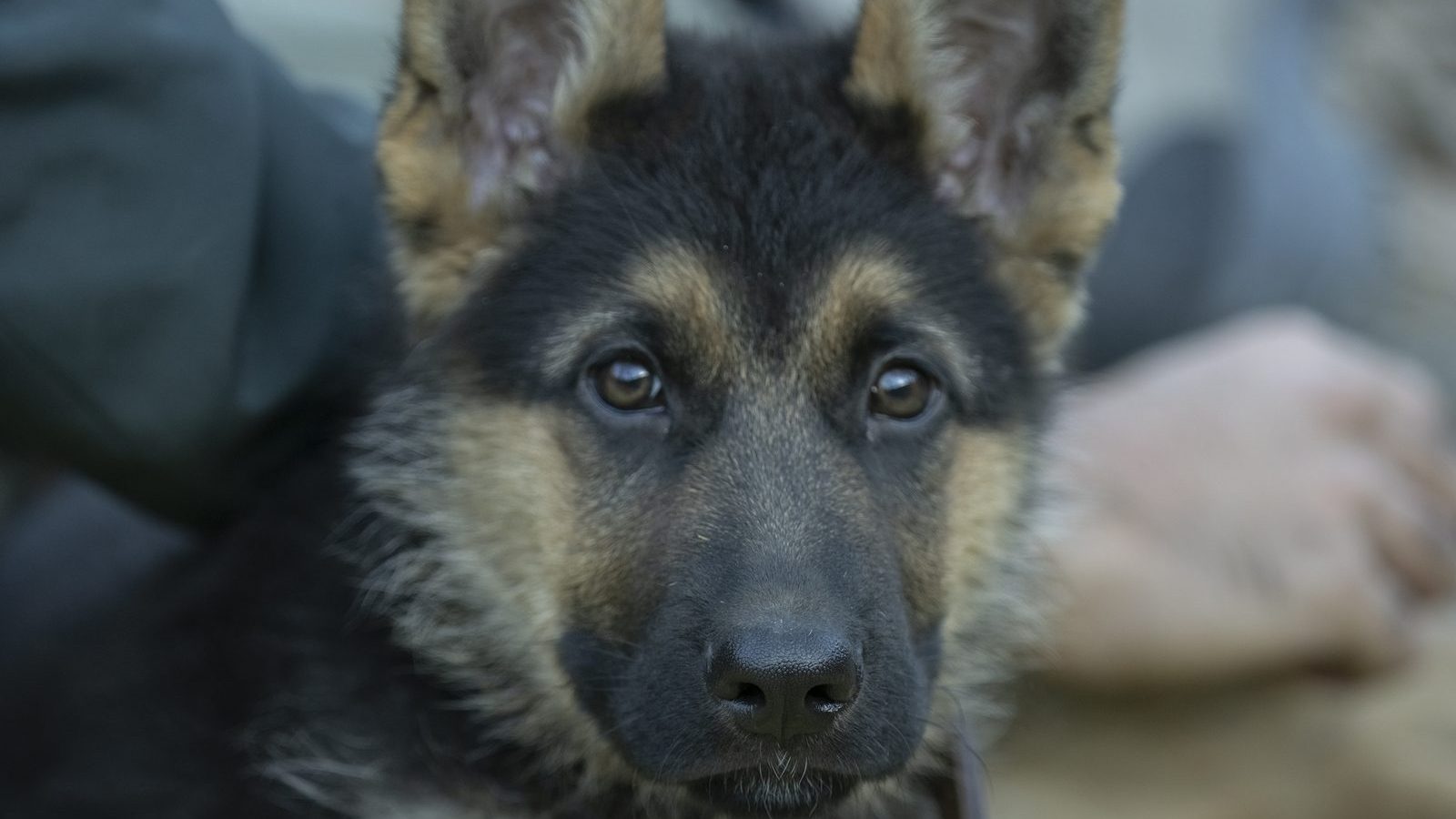
Short answer: buy less, plan more
Your German Shepherd puppy needs about a dozen things, not a trolley full. Get the crate, bed, bowls, food, lead, harness, chews and cleaning kit sorted before pick-up day, then spend the first month on sleep, toilet training and gentle handling. Everything else — big beds, long leads, fancy toys — can wait until you know your puppy.
There is a particular kind of panic that hits about three days before a German Shepherd puppy comes home. You open a shopping list someone posted online, and it has forty-two items on it. Crates in four sizes. Six kinds of chew. A brush you have never heard of. And you think: am I already getting this wrong?
You are not. Most of that list is noise. A German Shepherd puppy needs a safe place to sleep, food, water, a way to go outside, something legal to chew, and a person who is calm. That is genuinely most of it. The rest you buy later, once you have met the actual dog rather than the idea of one.
This guide is the checklist we would give a friend. It covers what to buy (and what to skip), how to puppy-proof your rooms, the first 24 hours hour by hour, then a week-by-week plan through day 30 — feeding, toilet training, sleep, socialisation and the first bits of training. No jargon, no scare stories, and no pretending that every night will be quiet.
Anyone bringing home a German Shepherd puppy aged 7 to 12 weeks — first-time owners, families with children, and people returning to the breed after a few years. Everything here is positive, reward-based. Health, vaccination and diet decisions belong to your vet; this is the practical, day-to-day side.
What to Buy Before Pick-Up Day
Buy for the puppy you have this month, plus one or two things sized for the adult dog where it saves money. German Shepherds grow fast — a 9kg puppy at 8 weeks can be a 30kg adolescent by seven months — so anything that touches the body (harness, collar) will be replaced at least twice. Anything that holds the body (crate, bed) can be bought adult-sized from the start.
| Item | Buy now or later? | What matters |
|---|---|---|
| Crate | Now — adult size (42 inch) | Buy the big one with a divider. You will use it for a decade. |
| Bed / vet bed | Now — cheap and washable | Puppies chew and have accidents. Save the orthopaedic bed for month six. |
| Bowls | Now — stainless steel | Non-tip, dishwasher safe. Plastic scratches and holds bacteria. |
| Food | Now — same as the breeder used | Change food gradually over 7–10 days, never on day one. |
| Flat collar + ID tag | Now | Legally required in many places. Two fingers should fit under it. |
| Puppy harness | Now — expect to replace it | Y-shaped front, adjustable in two places, no pressure across the shoulder. |
| Lead (1.8m / 6ft) | Now | Plain, soft, no retractable leads. You want to feel what the puppy is doing. |
| Chew toys (3–4) | Now | One stuffable rubber, one rope, one soft, one puzzle. Rotate weekly. |
| Enzyme cleaner | Now — two bottles | Normal cleaners leave a smell that says “toilet here” to a puppy. |
| Playpen or baby gates | Now | The single best purchase for your sanity. Contains the chaos kindly. |
| Slicker brush + comb | Now | Two minutes a day builds a dog who enjoys being handled. |
| Long line (5–10m) | Later — around week 4 | For recall practice once vaccinations are complete. |
| Raised bowl stand | Later, if at all | Ask your vet. Not the automatic win the internet claims. |
| Fancy orthopaedic bed | Later — month 6+ | Wait until the chewing stage passes. Your wallet will thank you. |
If money is tight, spend it on the crate, the playpen and the enzyme cleaner. Those three make the first month calmer than any toy ever will.
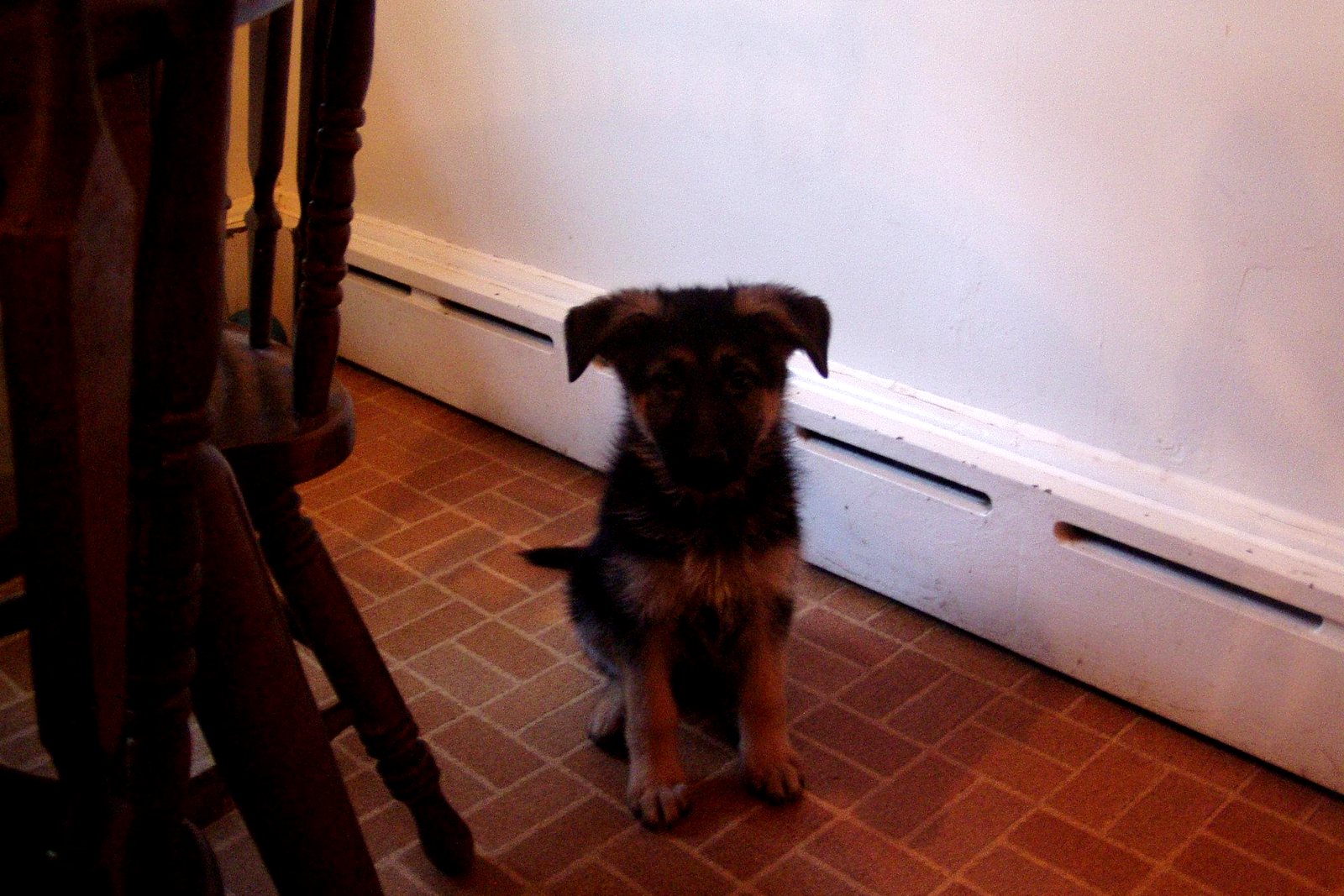
Puppy-Proofing, Room by Room
German Shepherd puppies explore with their mouths and they are taller than you expect on their back legs by twelve weeks. Puppy-proofing is not about making the house perfect. It is about removing the handful of things that cause emergency vet visits, then closing doors on the rest.
The five-minute sweep
Walk into each room and crouch to knee height. That is roughly what your puppy sees and can reach. Anything dangling, chewable or sweet-smelling comes up a shelf. Pay special attention to trailing cables, shoe piles, handbags left on the floor and the bin — in that order, because that is the order most owners get caught out.
- Cable tidies or covers on every trailing wire
- Bin behind a cupboard door or with a locking lid
- Cleaning products and medication up high, not under the sink
- Shoes, socks and remote controls off the floor
- Baby gate at the stairs — up and down
- Check the garden fence line at puppy height for gaps
- Handbags on the floor (chewing gum, painkillers)
- Grapes, raisins, chocolate on low shelves
- Houseplants — several popular ones are toxic to dogs
- Loose gravel and cocoa mulch in the garden
- Rocking chairs and reclining sofas (tails and paws)
- Compost heaps and slug pellets in the shed
Put your vet’s phone number and your nearest out-of-hours emergency vet in your phone before pick-up day, not after something happens. If your puppy swallows something they should not have, ring first — do not wait to see what happens, and do not try to make them sick without being told to.
Set up the puppy zone
Pick one room — usually the kitchen or a corner of the living room — and make it the puppy’s base. Crate in a quiet corner, water bowl, a couple of toys, easy-clean floor, and a playpen or gate across the doorway. This is where your puppy sleeps, naps, eats and settles for the first fortnight. Having one clear zone means you are not chasing a puppy around the house all day, and it makes toilet training dramatically faster because the routes to the door are short and predictable.
Keep the crate in the family space, not in a separate utility room. A German Shepherd puppy left alone behind a closed door will not learn independence. They will learn that being alone is frightening — and that is a much harder lesson to undo later. Our crate training guide walks through the exact steps.
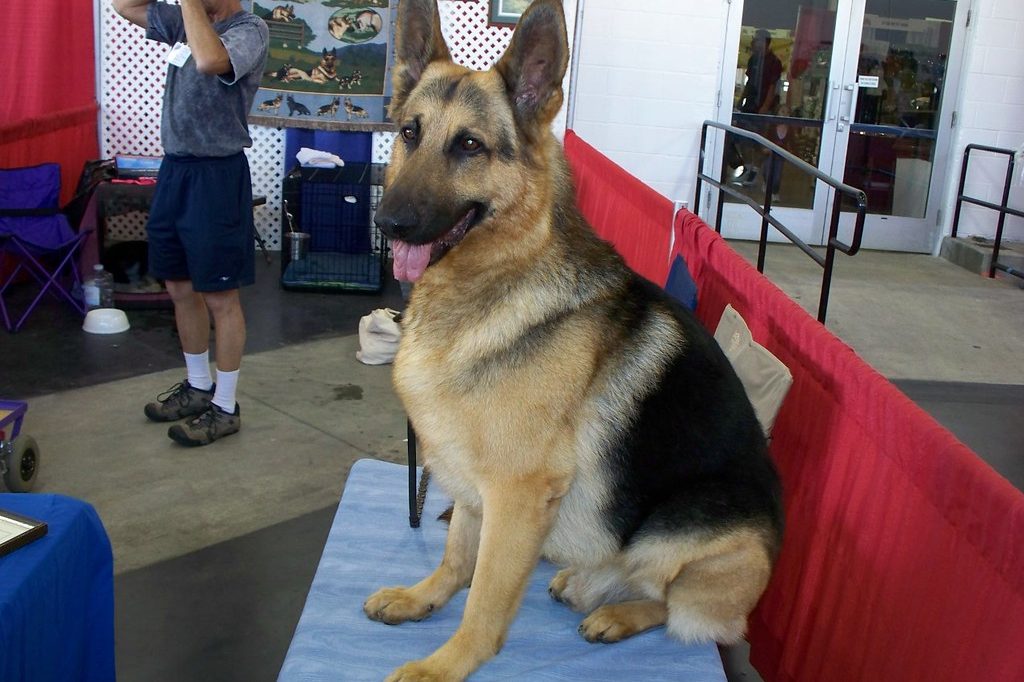
Day 1: The First 24 Hours
Your puppy has just left their mother, their littermates, and every smell they have ever known, and then travelled in a car. Whatever you had planned for day one, do less than that. The goal today is simple: eat a little, sleep a lot, wee outside a few times, and learn that you are safe.
Take a passenger with you if you can. Puppy on a towel on their lap or in a secured crate — not loose in the footwell. Bring kitchen roll and a bottle of water. Expect car sickness; it is normal and usually passes within weeks.
Straight into the garden, on the lead, and stand still. Wait. When they wee, say your toilet word once and reward calmly. This is the single most valuable ten minutes of the month.
Into the puppy zone. Let them explore at their own pace. No lifting, no passing round the family, no visitors. Water available. Sit on the floor and let the puppy come to you rather than the other way round.
Small, and the same food the breeder used. Many puppies eat little on day one — that is normal. If they refuse two meals in a row, or seem flat and unwell, phone the vet.
Nap, toilet, short calm play, nap. Repeat. Aim for a nap every 45–60 minutes of being awake. An overtired puppy bites, screams and cannot settle — see our guide to puppy biting for why this matters so much.
Last meal early enough to allow a toilet trip before bed. Quiet house, lights low, no exciting games after 8pm.
Sleep near the crate — a mattress on the floor beside it, or the crate in your bedroom. Take them out once or twice in the night, calmly, no chat, no play, straight back to bed. Expect crying. It usually shortens within three or four nights.
The first night is not a test of your training skills. It is a frightened baby animal in a strange building. Be boring, be close, and it passes.
Week 1: Sleep, Toilet Training and Settling
Week one has three jobs and none of them is obedience. Protect sleep. Build a toilet routine. Teach your puppy that the world is predictable. Everything you want later — recall, loose lead walking, calm greetings — is built on those three things being solid first.
Protect the naps like they are appointments
A German Shepherd puppy needs roughly 18 to 20 hours of sleep a day. They will not take that themselves — you have to arrange it. Set a timer for 60 minutes of awake time, then guide them into the crate or pen with a chew and let them go down.
Why it works: almost every “difficult puppy” problem in week one — biting, screaming, refusing to settle, zooming at 8pm — is an overtired puppy. Fix sleep and half the problems disappear without any training at all.
Toilet breaks on a clock, not on a hunch
Out to the garden every 1–2 hours, and always after waking, after eating, after playing and after any excitement. Same door, same patch of grass, same calm word. Reward outside, within two seconds, every single time for the first fortnight.
Why it works: puppies do not generalise well. Repeating the same route to the same spot builds the habit far faster than praise alone. Most puppies are largely reliable in the house by 4–5 months with this routine.
Clean accidents like a scientist
No telling off — ever. If you catch them mid-flow, make a soft noise, scoop them outside, and reward if they finish there. Then clean with an enzyme cleaner, not a household spray.
Why it works: ordinary cleaners leave ammonia smells that a dog reads as a toilet marker. Telling a puppy off simply teaches them to wee behind the sofa where you cannot see.
Feed some meals by hand
Take a small handful of the daily food and use it for the simplest things: name response, coming towards you, sitting when you stop walking, being touched gently on the paws and ears.
Why it works: it turns food you were giving away anyway into a relationship, and it gets handling practice in before the puppy is big enough to object.
Wake → toilet → short play or food game (10 min) → toilet → nap (1–2 hrs) → repeat. Write it on the fridge so everyone in the house follows the same pattern. Puppies settle astonishingly quickly when the day is predictable.
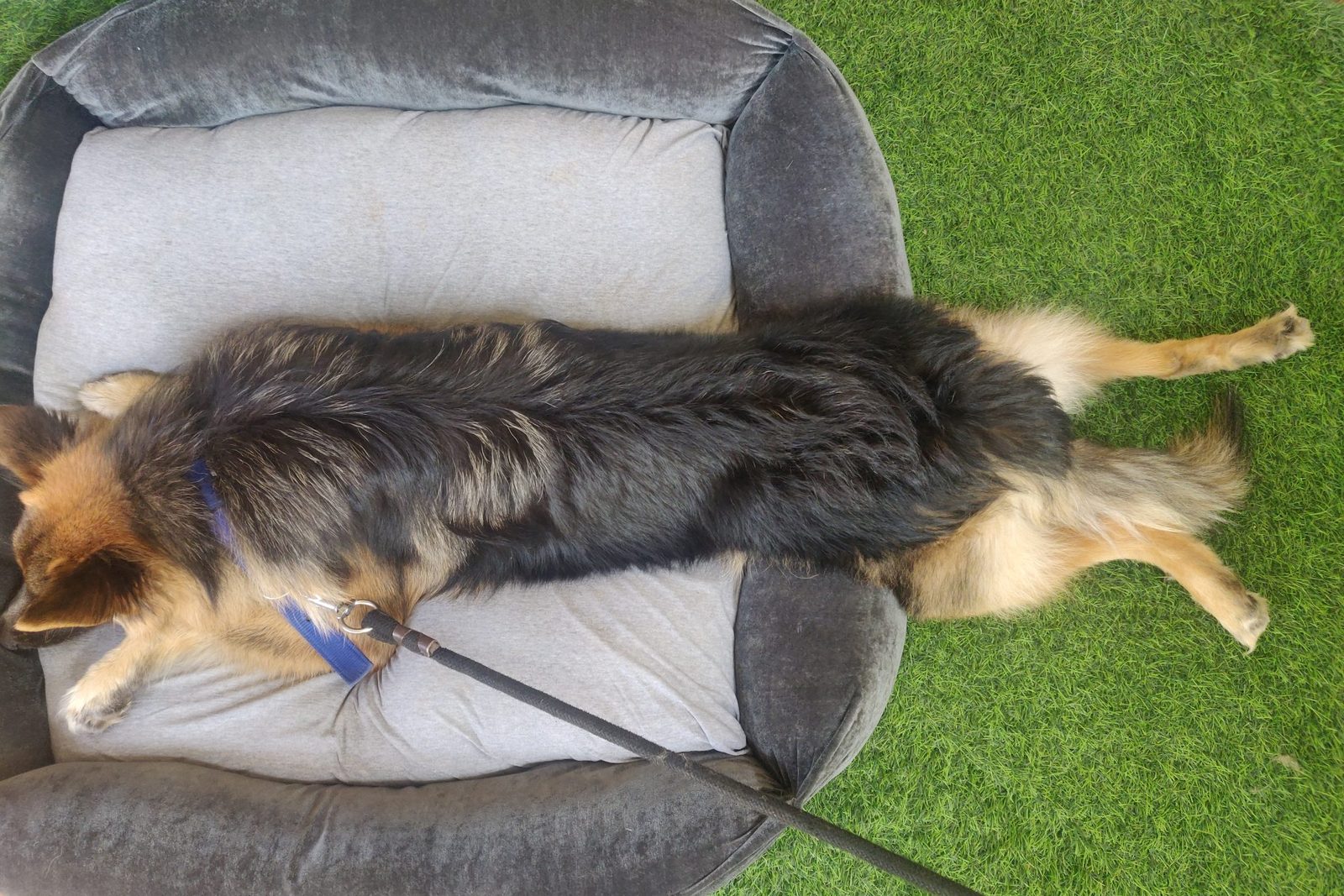
Week 2: Routine, Handling and Alone Time
By week two the shock has worn off and the personality arrives. This is usually when owners message their friends saying “he was so quiet at first and now he is a menace”. Nothing has gone wrong. Your puppy simply feels safe enough to behave like a puppy.
Start alone time before you need it
Practise leaving in tiny doses now, while it is easy. Give a stuffed chew in the pen, walk out of the room, come back before the puppy notices. Then two minutes. Then five. Build to twenty minutes over the fortnight, and vary it — sometimes you leave the room, sometimes you leave the house, sometimes you sit down again.
The mistake is waiting until you must go out, then leaving a puppy who has never been alone for two hours. German Shepherds are a companion breed with strong attachment; separation problems are far easier to prevent than to fix. Little and often, from week two, is the whole trick.
Handling practice — thirty seconds, twice a day
Touch ears, lift lips, hold paws, run a brush down the back, look between the toes. One body part per session, food after each. You are banking calm for the vet visits, nail trims and the twice-yearly coat blow that is coming. A 40kg adult who hates having their feet touched is a genuinely difficult problem; a 9kg puppy who is used to it is not.
Introduce the world at a distance
Before vaccinations are complete, carry your puppy or sit with them in the car with the boot open. Let them watch buses, bikes, prams, children and dogs from somewhere safe. Watching calmly at a distance is socialisation. Being mobbed by strangers in the vet car park is not.
Week 3: Socialisation Done Properly
Socialisation has a reputation for meaning “meet as many dogs and people as possible”. It does not. It means your puppy learns that new things are boring and nothing bad happens. Quality over quantity, always — one calm experience beats ten overwhelming ones.
| Category | Good socialisation looks like | What to avoid |
|---|---|---|
| People | Different ages, hats, beards, wheelchairs — seen from a few metres, treats rained down while the puppy watches | Everyone crowding in to stroke and lift the puppy |
| Dogs | One or two calm, vaccinated adult dogs you know, short sessions, on grass | Busy dog parks, boisterous groups, any dog you cannot vouch for |
| Sounds | Hoover, doorbell, traffic, fireworks recordings played very quietly while eating | Sudden loud exposure with no escape route |
| Surfaces | Grass, gravel, tile, metal drain covers, wobbly boards — free choice, no luring | Carrying the puppy onto something they are avoiding |
| Handling | Vet-style checks at home, then a happy visit to the practice for treats only | First ever visit to the vet being an injection |
Follow your vet’s advice, not a blog. Guidance varies by country, vaccine type and local disease risk — usually around a week or two after the final puppy vaccination. Until then, carried outings and your own garden are the safe options. If you are unsure, ring the practice; they will tell you in thirty seconds.
Reading your puppy’s body
A puppy who is coping looks loose: wiggly body, soft mouth, willing to take food, coming forward on their own. A puppy who is not coping goes still, tucks their tail, licks their lips, yawns, turns away, or refuses food they normally love. Refusing food is the clearest signal you have. When you see it, increase the distance from whatever is worrying them and let them watch from further away. You are not spoiling them — you are teaching them that you listen.
Week 4: First Training and First Walks
By week four you have a puppy who sleeps in a routine, mostly tells you when they need out, and knows their name. Now you can add real training — in tiny sessions, three or four times a day, using food from the daily allowance.
The five things worth teaching first
- Name response. Say the name once, pay when they look. Never use the name to tell them off.
- Coming to you. Run backwards, be exciting, pay generously. Build it now while they still want to follow you everywhere — our recall training guide takes it from here.
- Sit. Useful mainly as an off-switch at doorways and food bowls.
- Settle on a mat. Reward lying down quietly near you. This is the skill you will use every day for ten years.
- Walking beside you in the garden. Pay for a loose lead before you ever leave the gate — see how to stop a German Shepherd pulling.
How long should the first walks be?
The widely used rule of thumb is about five minutes of formal walking per month of age, once or twice a day — so roughly ten minutes at 12 weeks. It is a guideline, not a law, and it exists because growing joints do not benefit from long repetitive road walking. Sniffing, pottering and free play in the garden do not count against that total and are far better for a young German Shepherd anyway. Our exercise by age guide has the full breakdown.
Feeding in the First Month
Keep it boring. Whatever the breeder fed, feed that for at least the first week or two, even if you plan to change. A puppy dealing with a new home, new people and a new routine does not need a new diet on top.
| Age | Meals per day | What to watch |
|---|---|---|
| 8–12 weeks | 4 | Small stomach, fast metabolism. Spread meals evenly across the day. |
| 3–6 months | 3 | Growth is quick. Weigh regularly and adjust with your vet’s guidance. |
| 6–12 months | 2 | Lean is safer than chunky for a large breed’s joints. |
If you do change food, do it over 7 to 10 days: a quarter new food for two days, then half, then three quarters, then all. Loose stools during a rushed switch are the most common reason new owners panic in week two. Large-breed puppy formulas exist because controlled growth matters for a dog that will reach 30–40kg; ask your vet what they recommend for your puppy’s line and body condition. Our feeding guide covers portions and life stages in more depth, and the feeding cost calculator gives you a monthly budget in about a minute.
Never rush a meal before or after hard play. Deep-chested breeds like the German Shepherd have a higher risk of bloat, and calm meals are a sensible habit to build. And weigh your puppy weekly — a steady curve tells you far more than any feeding chart on a bag.
The Gear That Earns Its Place
Three items do more work than everything else in the first month: a stuffable rubber chew, a crate you do not have to replace, and a washable pen mat. Here is the one we recommend to every new owner, and why.
We recommend product types and the features that matter, not sponsored placements. Prices and availability change constantly, so we link to live Amazon results rather than quoting figures that go stale. As an Amazon Associate we may earn from qualifying purchases — at no extra cost to you.
KONG Classic — the stuffable rubber chew
A hollow natural-rubber toy you fill with food and freeze. It turns a bored, mouthy puppy into a quiet one for twenty minutes, and it is the single most useful item for crate training, alone-time practice and evening calm.
- Freeze it stuffed and it lasts three times longer
- Doubles as a way to feed part of the daily ration
- Survives the teething stage when soft toys do not
- Buy two so one is always in the freezer, ready to go
Good to know: the softer blue Puppy version suits milk teeth; move to the red Classic once the adult teeth arrive at around six months. Always supervise, and replace any chew that starts to split.
Beyond that, here is how the first-month shopping list actually shakes out once you strip away the marketing.
| What you need | What to look for | Find it |
|---|---|---|
| Crate, adult size | 42 inch, two doors, divider panel, plastic tray | See options → |
| Puppy harness | Y-front, two adjustment points, soft edging | See options → |
| Enzyme cleaner | Enzymatic, pet-safe, large bottle | See options → |
| Playpen | 8 panels, 60cm+ tall, folds flat | See options → |
| Slicker brush | Coated pins, comfortable handle, plus a metal comb | See options → |
If you want the whole list in one place with sizes, our German Shepherd puppy supplies guide goes deeper, and the puppy setup calculator builds a personalised shopping list and budget for you.
7 First-Month Mistakes (and the Fix for Each)
Every one of these is common, none of them makes you a bad owner, and all of them are quick to correct.
❌ 1. Too many visitors in week one
Everyone wants to meet the puppy. A queue of excited strangers on day two teaches a German Shepherd that arrivals at the door are enormously exciting — the exact opposite of what you want at eighteen months.
✅ Fix: no visitors for five days. After that, two calm people at a time who ignore the puppy until it settles.❌ 2. Letting the puppy free-roam the house
Unsupervised freedom means accidents you did not see, chewing you cannot correct and a puppy who never learns to settle in one place.
✅ Fix: pen, crate or lead attached to you. Freedom is earned room by room over the first few months.❌ 3. Skipping daytime naps
Owners often think a tired puppy will sleep better at night, so they keep them awake. Overtired German Shepherd puppies get louder, bitier and less able to sleep — not more.
✅ Fix: timer at 60 minutes awake, then a nap in the crate with a chew. Protect it like a meeting.❌ 4. Changing food immediately
A brand-new diet on day one plus the stress of moving home usually equals a very messy week two.
✅ Fix: keep the breeder’s food for 7–14 days, then transition over 7–10 days.❌ 5. Waiting to practise alone time
Four weeks of never being left, then a full day at work, is how separation anxiety starts in a companion breed.
✅ Fix: start at 30 seconds in week two and build gradually, varying the length so it never becomes predictable.❌ 6. Telling a puppy off for accidents
Punishment after the fact teaches concealment, not cleanliness. The puppy learns to go where you are not looking.
✅ Fix: more frequent trips outside, generous rewards for going in the right place, enzyme cleaner for everything else.❌ 7. Over-exercising a growing dog
Long road walks, stairs and repeated ball throwing put real strain on the joints of a fast-growing large breed.
✅ Fix: short walks, plenty of free play on grass, and swap distance for sniffing and simple brain games.Pro Tips From Experienced Owners
🕐 Keep a two-line diary
Note wake times, meals and toilet trips for two weeks. Patterns jump off the page — and you will spot a genuine problem far sooner.
🧊 Freeze in batches
Fill six chews on a Sunday and freeze them. A ready-made twenty minutes of quiet is worth more than any toy.
📏 Photograph beside a ruler
Weekly photo in the same spot. It is a lovely record and it makes weight changes obvious before they become an issue.
🎓 Book class early
Good puppy classes fill up months in advance. Book before you collect your puppy, then relax.
👟 One rule per person
Agree the house rules before arrival — sofa or not, kitchen or not, who does the night trips — and write them down.
🧺 Buy two beds
One in the wash, one in use. Cheap and washable now; the expensive bed can wait until the chewing stage is over.
The owners who enjoy month one are rarely the most organised. They are the ones who lowered their expectations, protected sleep, and let the puppy be a baby for a few weeks.
Frequently Asked Questions
How long will my puppy cry at night?
Usually a few nights, sometimes up to two weeks. Sleeping beside the crate at first and moving it gradually to where you want it shortens the process enormously. Crying that gets worse rather than better after two weeks, or that comes with panting and drooling, is worth discussing with your vet or a qualified behaviourist.
When will my German Shepherd puppy be toilet trained?
Most are largely reliable indoors somewhere between 4 and 6 months with a consistent routine, though the occasional accident during teething or excitement is normal. Night-time dryness usually arrives first because there is no food, water or play stimulating the bladder.
Is it normal for the puppy to bite constantly?
Yes. Mouthing peaks between 8 and 16 weeks and is play and teething, not aggression. Redirect to a toy every time, end the game if teeth touch skin, and — most importantly — check whether they are overtired. Our puppy biting guide covers the full method.
Can I leave my puppy alone while I work?
Not for a full day in the first months. A German Shepherd puppy under four months should not be left more than a couple of hours, and they need a toilet break well before that. Most owners use a mix of a lunchtime visitor, a dog walker, and adjusted working hours for the first six to eight weeks.
How much does the first month cost?
Excluding the puppy itself, most owners spend a moderate lump sum on kit (crate, pen, bed, bowls, harness, lead, toys, cleaning), then a smaller monthly figure for food, plus vaccinations, microchipping, worming, flea treatment and insurance. Costs vary hugely by country and brand — the puppy setup calculator gives you a realistic figure for your own list rather than a made-up average.
When should we start training classes?
As soon as your vet is happy, usually shortly after the vaccination course finishes. Look for a class that uses reward-based methods, keeps groups small, and spends as much time on settling and handling as on sit and down.
✅ Your First-30-Days Checklist
- Crate (adult size, with divider) set up in the family room
- Playpen or baby gates creating one clear puppy zone
- Two washable beds, stainless bowls, breeder’s food for two weeks
- Collar with ID tag, Y-shaped harness, plain 1.8m lead
- Three or four chews — at least one stuffable and freezable
- Two bottles of enzyme cleaner (not household spray)
- Vet and out-of-hours numbers saved in every adult’s phone
- Nap after every 45–60 minutes awake, timer set
- Toilet trips every 1–2 hours and after every sleep, meal and game
- Alone-time practice started in week two, 30 seconds at a time
- Daily handling: ears, paws, mouth, brush — thirty seconds, food after
- Socialisation at a distance: watch the world, do not wade into it
- Puppy class booked and vet check-ups in the diary
The Bottom Line
The first thirty days with a German Shepherd puppy are not about producing an impressive dog. They are about producing a settled one. Buy the dozen things that matter, make one small safe zone, protect sleep like it is a medical instruction, and take the puppy outside more often than feels reasonable.
Do that and month two arrives with a puppy who sleeps through most of the night, tells you when they need the garden, enjoys being handled, and thinks the world is a fairly boring and safe place. That is the foundation everything else gets built on — and it is far easier to get right the first time than to repair later.
- How to crate train a German Shepherd puppy — the step-by-step that makes nights easier
- How to stop a German Shepherd puppy from biting — for the land shark stage
- German Shepherd feeding guide — portions, life stages and what to watch
- German Shepherd puppy supplies — the full kit list with sizes
Recommended German Shepherd gear for this guide
Heavy-duty German Shepherd crate (42")
Best for: Crate training and safe rest
- Sturdy build
- Double-door access
- Removable tray
Affiliate link — we may earn a commission, at no cost to you.
Durable rubber chew toy
Best for: Power chewers and chew redirection
- Long lifespan
- Treat-stuffable
Affiliate link — we may earn a commission, at no cost to you.
Low-calorie training treats
Best for: High-frequency reward training
- Soft, easy to break
- Quick consumption
Affiliate link — we may earn a commission, at no cost to you.
Go deeper
Related articles
Shop the picks

Keep reading
More in Puppy Care →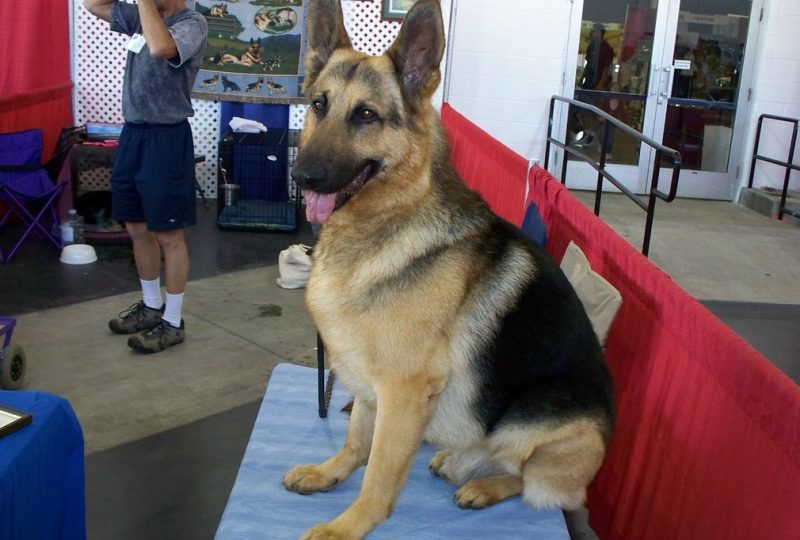
How to Crate Train a German Shepherd Puppy (Step-by-Step)
A calm, positive crate-training plan that turns the crate into a den your German Shepherd actually likes.
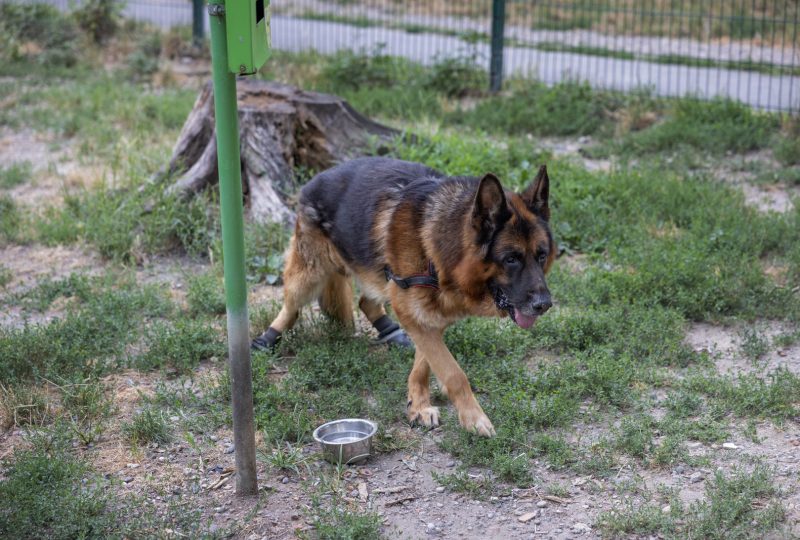
German Shepherd Feeding Guide (Puppy, Adult, Senior)
How owners think about feeding a German Shepherd at every life stage — without prescribing calories or pushing…
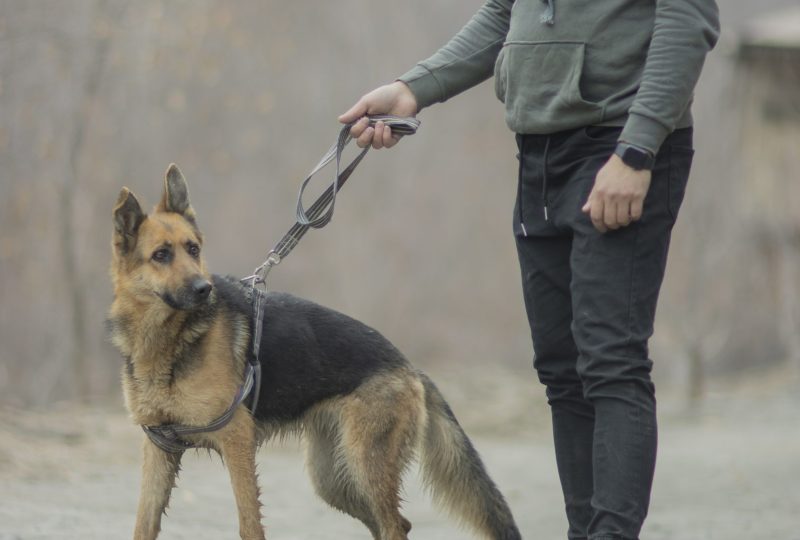
How to Stop a German Shepherd From Pulling on the Leash
A calm, repeatable loose-leash walking plan for German Shepherds — no prong collars, no yanking, no shutting the…