Activities for Your German Shepherd: 25 Ways to Use That Working Brain
Twenty-five activities for German Shepherds, from ten-minute games in your hallway to organised dog sports, with what is safe at each age and how to choose the right hobby for your dog.

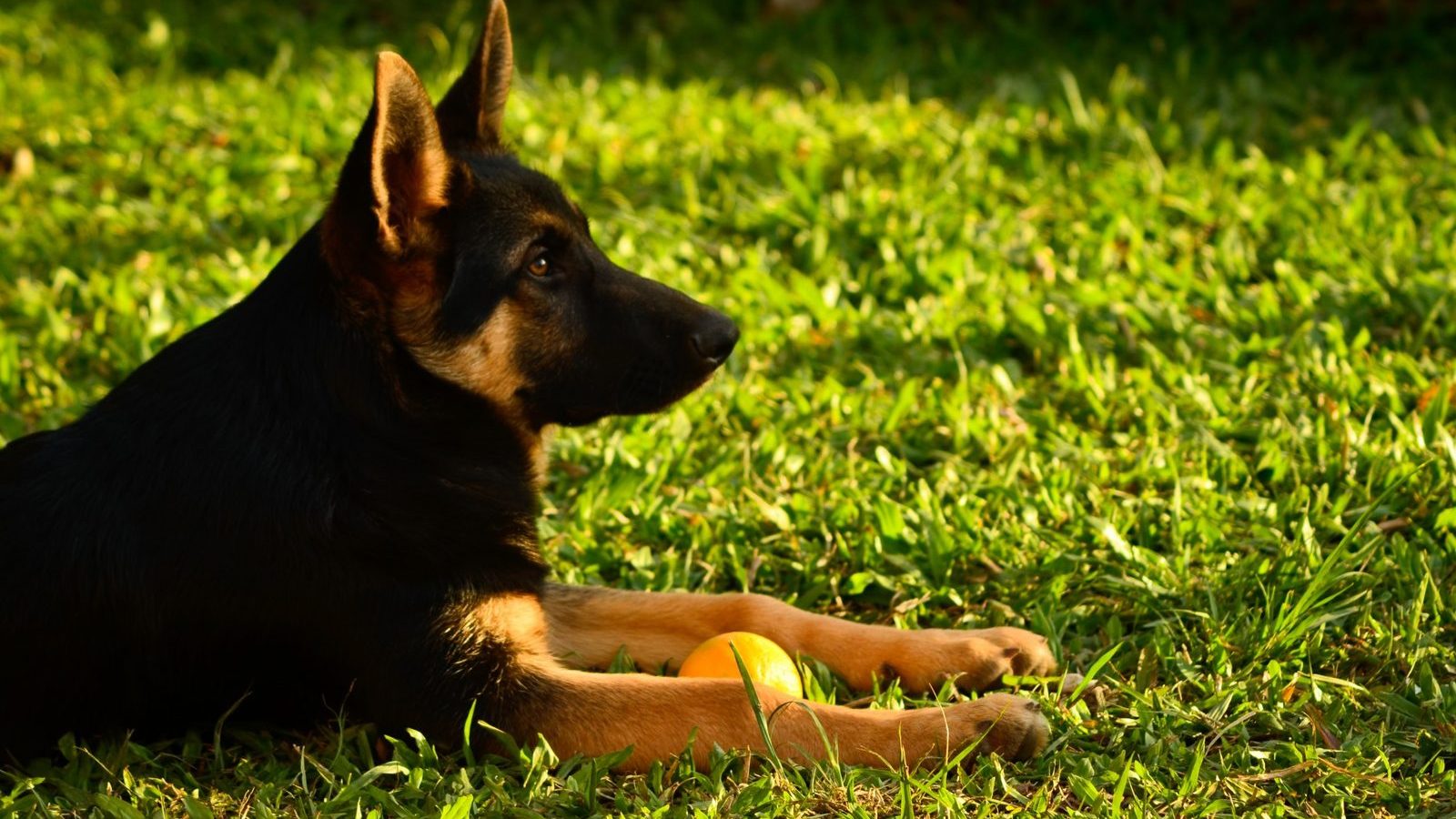
Short answer: pick one hobby and do it every week
German Shepherds were bred to work all day solving problems. A dog with one regular activity — scent work, tricks, rally, herding, hiking, cani-cross — is calmer at home than a dog who only gets walked. You do not need a club or a competition licence to start. Ten minutes of nose work in your kitchen counts, and it is where most of the twenty-five ideas below begin.
There is a particular look a German Shepherd gives you at about eight in the evening. Walked, fed, and staring at you with a toy in their mouth as if to say: right, what are we actually doing today? You have done everything the books said, and the dog still seems to be waiting for the real work to begin.
That is because, for this breed, walking is commuting. It is transport, not a job. The dogs who settle beautifully in the evening are almost always the ones who did something with their brain that day — searched for something, learned something, solved something.
This guide is twenty-five activities sorted by effort and age, from things you can do in a hallway tonight to sports with clubs and titles. It also covers what to avoid while your dog is still growing, how to pick the right hobby for your particular dog, and how to build it into a normal week without it taking over your life.
Owners of German Shepherds of any age who want more than a walk — including people with a bored adolescent, a stiff senior, or a dog who cannot be around other dogs. There is something here for all three. This site does not cover protection or bite-work disciplines.
Why Activities Matter More Than Distance
Three things happen when a working breed gets a regular job, and none of them are about tiring the dog out.
They stop inventing their own work. Barking at the window, patrolling the fence, dismantling the skirting board and herding the children are all jobs — just ones your dog chose. Giving them something to do that you approve of fills the same need.
They get better at switching off. Activities have a beginning and an end. A dog who learns that work starts and finishes settles far more easily than one whose day is an undifferentiated blur of waiting.
Your relationship changes. Doing something together — where you are the one who makes the fun happen — builds the kind of attention that makes recall, lead walking and everyday manners dramatically easier. Most owners notice their training improve without training more.
Twenty minutes of sniffing, searching or learning does more for a German Shepherd’s state of mind than an extra hour of walking — and it costs you far less time. Our exercise by age guide covers the physical side; this is the other half.
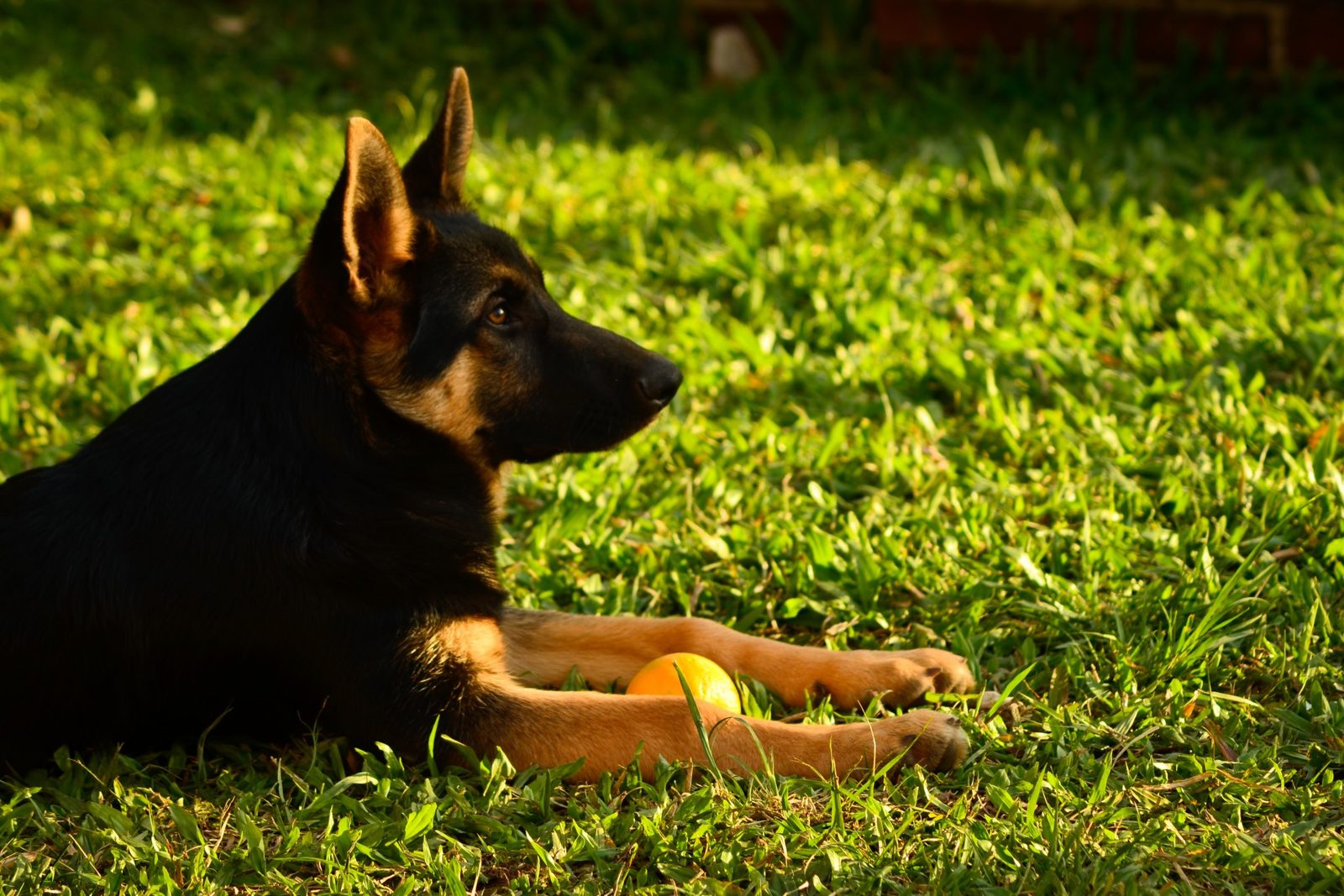
10 Activities You Can Start At Home Today
No club, no kit, no travel. Every one of these can be done in a hallway with food your dog was going to eat anyway.
- Find it. Hide five pieces of food while your dog waits, then release them to search. Build up to another room, then to hiding a specific toy.
- Name the toys. Teach two toys by name, then ask for one specifically. Shepherds are excellent at this and it is properly tiring.
- Trick of the week. Spin, bow, chin rest, paw targets, “go round”. Five minutes a day, one trick a week, and you have a party piece a month.
- Tidy-up game. Teach them to put toys into a basket. Genuinely useful and deeply satisfying to a working brain.
- Muffin tin puzzle. Treats in the cups, tennis balls on top. Five seconds to build, ten minutes of work.
- Scatter feeding. Dinner thrown into the lawn or a snuffle mat instead of a bowl.
- Hide and seek with you. Someone holds the dog, you hide, call once. Rewards recall and teaches them to keep track of you.
- Cardboard demolition. A box stuffed with paper and a few treats. Messy, free, and enormously popular.
- Which hand? Two fists, one treat. Thirty seconds, and dogs never tire of it.
- Settle practice with a chew. Not glamorous, but learning to be calm on a mat while the household carries on is a real skill.
Our enrichment guide has thirty more, with the safety rules for DIY puzzles.
8 Outdoor Activities
| Activity | What it involves | Best for |
|---|---|---|
| Sniffari walks | Long line, no destination, dog chooses every turn | Every dog, every age — the single most calming thing on this list |
| Scent trails | Drag a smelly treat in a winding line, hide a jackpot at the end | Adolescents with too much energy; nervous dogs who need a win |
| Hiking | Varied terrain, longer outings, proper rest days | Fit adults over 18 months. Build distance gradually |
| Swimming | Safe open water or a canine hydro pool | Low-impact fitness — brilliant for teenagers and seniors alike |
| Cani-cross | Running with your dog in a harness and bungee line | Fit adults and fit owners. Never before growth plates close |
| Beach and river days | New surfaces, new smells, water play | Novelty for a dog bored of the same three routes |
| Paddling pool and digging pit | A garden zone where digging and splashing are allowed | Puppies and hot weather; saves your flowerbeds |
| Bench watching | Sitting somewhere mildly busy, feeding calm behaviour | Reactive or anxious dogs — real work, done quietly |
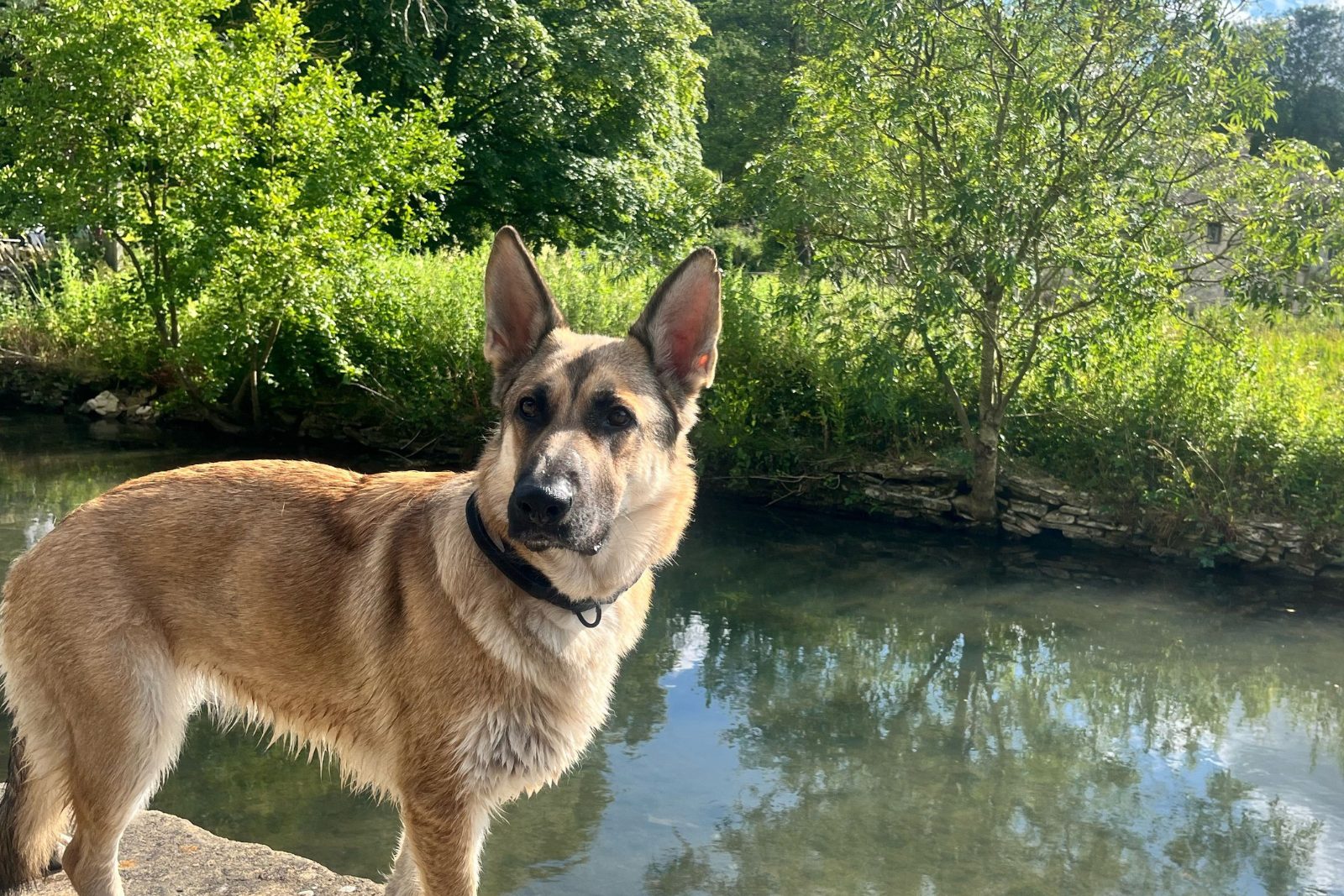
7 Organised Dog Sports
If you catch the bug, these are where German Shepherds genuinely excel. Most have beginner classes, and none of them require you to be sporty.
👃 Scent work
Searching for a target odour in boxes, vehicles or buildings. Works one dog at a time, so it suits nervous and reactive dogs — and almost every Shepherd loves it.
🎯 Rally and obedience
Handler-and-dog teamwork through set exercises. Rally is the friendlier entry point; obedience gets precise and technical if you enjoy that.
🏃 Agility
Jumps, tunnels and weaves against the clock. Wait until growth plates close — usually 12–18 months — and get your vet’s view first.
🐑 Herding
The job the breed was built for. Instinct tests and trials exist in many countries and are extraordinary to watch.
🥾 Working trials & tracking
Nosework over distance with control elements. Deeply satisfying for a dog who likes a long problem.
🎪 Trick titles & hoopers
Low-impact, no jumping, achievable at home. Hoopers suits older dogs and those who cannot do agility.
There is also good citizen scheme training — graded everyday-manners awards that make an excellent first goal for any owner, and are open to every dog regardless of breeding or neutering status. Showing has its own guide: showing your German Shepherd in competition.
You will also hear about IGP/Schutzhund, which combines tracking, obedience and protection phases. The tracking and obedience parts are impressive sport; the protection phase is specialist work this site does not cover. If it interests you, work only with an established, welfare-focused club.
What Is Safe At What Age
| Age | Green light | Wait |
|---|---|---|
| 8–16 weeks | Scatter feeding, find-it, first tricks, new surfaces, carried outings | Anything repetitive, long walks, stairs, jumping |
| 4–6 months | Scent games, short training, long-line sniffaris, swimming | Agility equipment, cani-cross, long hikes, ball launchers |
| 7–12 months | All of the above plus foundation sport skills on the flat | Jumping at height, weaves, repeated hard turns |
| 12–18 months | Gradual introduction to jumping and running, with vet approval | Full-height competition jumping until your vet is happy |
| Adult | Everything, built up gradually | Going from nothing to a full day’s hiking in one weekend |
| Senior | Scent work, hoopers, tricks, swimming, gentle new places | High-impact anything; watch for stiffness the next morning |
A German Shepherd’s growth plates typically close somewhere around 12 to 18 months. Until then, repeated jumping, tight turns at speed, long-distance running on hard ground and stair work put real strain on developing joints — in a breed already predisposed to hip and elbow problems. Foundation training on the flat is fine and useful; height and speed can wait.
Choosing the Right Hobby For Your Dog
The best activity is the one you will actually keep doing. Match it to your dog honestly rather than to the impressive videos.
Scent work first, every time. It is done individually, it lowers arousal, and it builds confidence without asking your dog to cope with a hall full of strangers. Bench watching and quiet sniffaris also count.
Tracking, scent trails and cani-cross once grown. Add tug with rules as a reward system rather than a free-for-all. The goal is channelling, not exhausting.
Rally, obedience and trick training. They thrive on the clarity, and you will have a party trick within a fortnight.
Scent work, hoopers, hydrotherapy and short new places. Mental work matters more, not less, as the body slows — see senior care.
Ten minutes of find-it and one enrichment meal a day. Genuinely. That is a hobby, and it will change your evenings.
Fitting It Into a Normal Week
| Day | Activity | Time |
|---|---|---|
| Mon | Find-it around the house + enrichment dinner | 10 min |
| Tue | Trick of the week, three short sessions | 15 min |
| Wed | Sniffari on the long line, dog picks the route | 30 min walk |
| Thu | Club night, or a scent trail in the garden | Varies |
| Fri | Quiet day: chew, snuffle mat, settle practice | 5 min setup |
| Sat | Somewhere new — woods, beach, different field | 60–90 min |
| Sun | Tidy-up game, grooming as handling practice | 15 min |
One hobby done every week beats five tried once. The dog does not need variety nearly as much as they need something reliable to look forward to.
Kit Worth Owning
We recommend product types and the features that matter rather than sponsored placements, and we link to live Amazon results instead of quoting prices that go stale. As an Amazon Associate we may earn from qualifying purchases — at no extra cost to you.
A 10-metre long line and a Y-harness
Sniffaris, scent trails, tracking foundations, recall games and safe exploring of new places all need the same thing: your dog able to move freely while you keep them safe. Ten metres of biothane on a well-fitted harness turns an ordinary field into a whole afternoon’s activity.
- Makes the most calming activity on the list possible anywhere
- Low impact — the dog sets the pace, which suits growing joints
- Safe freedom while recall is still a work in progress
- Wipes clean instead of holding mud like rope
Good to know: always attach to a harness rather than a collar — a dog hitting the end of ten metres at speed can injure their neck. Wear gloves at first and never wrap the line around your hand.
| Item | What it unlocks | Find it |
|---|---|---|
| Snuffle mat | Indoor nose work in the space of a doormat | See options → |
| Treat pouch | Makes ten-minute sessions actually happen | See options → |
| Tug toy with handles | A reward that is not food; great for high-drive dogs | See options → |
| Scent work starter kit | Tins, target odour and boxes to begin properly | See options → |
| Collapsible water bottle | Hikes, beach days and hot-weather activity | See options → |
7 Mistakes (and the Fix for Each)
❌ 1. Starting agility too young
Jumping and tight turns on developing joints is the classic enthusiastic-owner error in this breed.
✅ Fix: foundation work on the flat until 12–18 months, then build height gradually with your vet’s blessing.❌ 2. Choosing the sport you like, not the one your dog suits
Dragging an anxious dog to a noisy agility hall every week does neither of you any good.
✅ Fix: watch your dog’s body language. If they cannot eat there, it is the wrong activity for now.❌ 3. Trying everything once
Five taster sessions in five sports teaches your dog nothing and leaves you no further forward.
✅ Fix: pick one, commit for three months, then decide.❌ 4. Ending on a high-arousal note
Finishing a session with wild tug or ball chasing leaves a wired dog who cannot settle afterwards.
✅ Fix: always finish with sniffing, a scatter feed or a chew so the dog comes down properly.❌ 5. Ball launchers as the daily activity
Repetitive high-speed chasing with hard stops is joint-punishing and becomes compulsive for many Shepherds.
✅ Fix: a few low rolls at most, then switch to nose work. Never a full session of retrieves.❌ 6. Assuming a big garden counts
Your dog memorised that garden months ago. Familiar space provides almost no mental work.
✅ Fix: one new location a week, even if it is just a different street at dusk.❌ 7. Skipping rest days
An activity every single day creates a dog who cannot cope with a quiet one.
✅ Fix: one deliberately low-key day a week with a chew and a puzzle instead.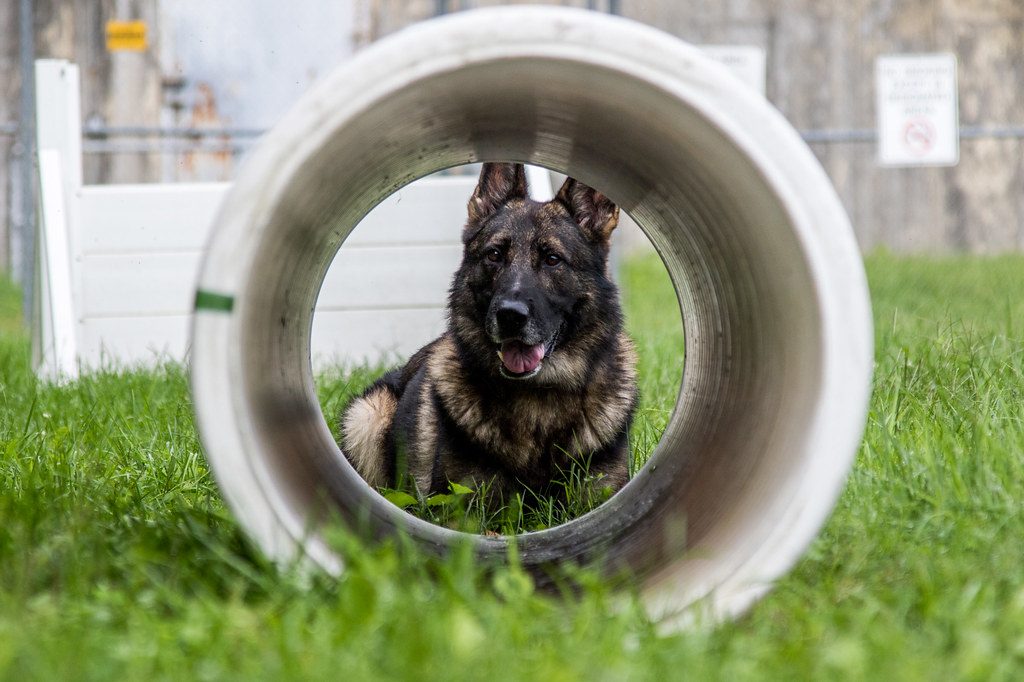
Frequently Asked Questions
What activities are German Shepherds best at?
Anything involving the nose or problem-solving — scent work, tracking and working trials are where the breed shines. They also do very well at rally, obedience, agility and herding. The common thread is a task with a clear beginning, middle and end.
How much mental stimulation does a German Shepherd need?
Roughly as much as physical exercise. In practice that means one enrichment meal a day plus ten to twenty minutes of scent work, training or problem-solving — more during adolescence, when it does the most good.
When can my German Shepherd start agility?
Foundation work on the flat can start young, but jumping at height and weaving should wait until growth plates close — usually 12 to 18 months — and it is worth asking your vet to check your individual dog first. Good clubs will insist on this anyway.
My dog is reactive to other dogs. Can they still do a sport?
Yes. Scent work is ideal because dogs work one at a time and often out of sight of each other. Many clubs run reactive-friendly classes, and trick training and hoopers can be done entirely at home. Tell the instructor before you book so they can set you up properly.
Is my senior German Shepherd too old to start something new?
Not at all. Scent work, hoopers, trick training and gentle new places all suit older dogs, and mental work helps maintain cognitive function. Keep sessions short, choose low-impact options, and watch for stiffness the following morning.
Do I need to join a club?
No. Most of the twenty-five activities here can be done alone. A club adds structure, feedback on your handling, and the chance for your dog to work near other dogs — all genuinely valuable, but not a requirement for having a hobby.
✅ Your Activity Checklist
- One enrichment meal a day instead of a bowl
- Ten minutes of nose work or training most days
- A 10 m long line and a well-fitted Y-harness
- One sniffari a week where your dog picks the route
- One new location a week, however ordinary
- One hobby chosen and committed to for three months
- No jumping or impact sports before 12–18 months
- Sessions finished with sniffing or a chew, never at peak arousal
- Ball throwing kept short and rolled along the ground
- One deliberately quiet day a week
- Activity matched to your dog’s temperament, not your ambitions
- Vet’s view sought before starting any impact sport
The Bottom Line
A German Shepherd without a job will find one, and you will not like their choice. Give them something regular to do — even ten minutes of searching for kibble in the hallway — and the difference in how they settle is usually obvious within a week.
Start with what fits your actual life. Find-it in the kitchen tonight, a sniffari at the weekend, and one thing you both look forward to every week. If you catch the bug, the clubs and the sports are waiting — but the dog will be happy long before you get there.
- German Shepherd enrichment ideas — thirty more, indoors and out
- How much exercise does a German Shepherd need? — the physical half
- Training your German Shepherd — the skills every sport is built on
- Free exercise planner — build a balanced week for your dog’s age
Recommended German Shepherd gear for this guide
Heavy-duty puzzle feeder
Best for: Mental stimulation and slow feeding
- Builds focus
- Slows fast eaters
Affiliate link — we may earn a commission, at no cost to you.
Interactive flirt pole
Best for: High-energy outlet for adult GSDs
- Burns energy fast
- Builds impulse control
Affiliate link — we may earn a commission, at no cost to you.
Durable rubber chew toy
Best for: Power chewers and chew redirection
- Long lifespan
- Treat-stuffable
Affiliate link — we may earn a commission, at no cost to you.

Keep reading
More in Exercise & Enrichment →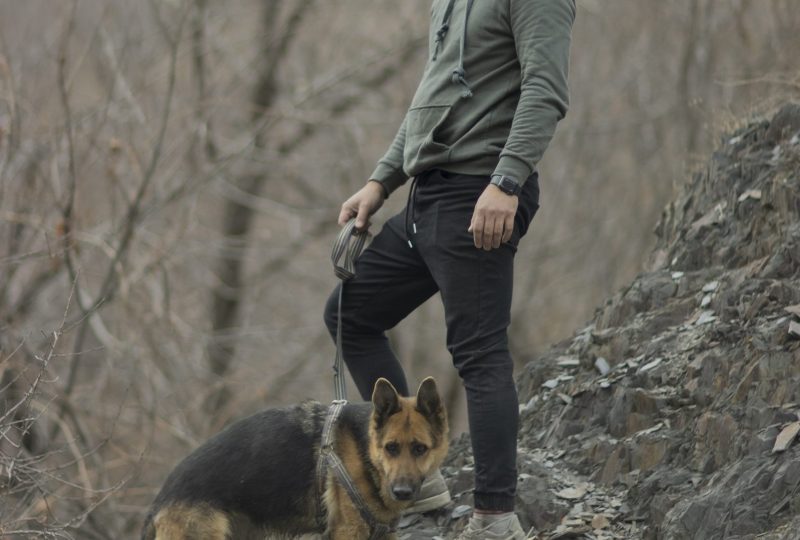
How Much Exercise Does a German Shepherd Need? (By Age)
A realistic look at how much exercise a German Shepherd needs at each life stage — and why…
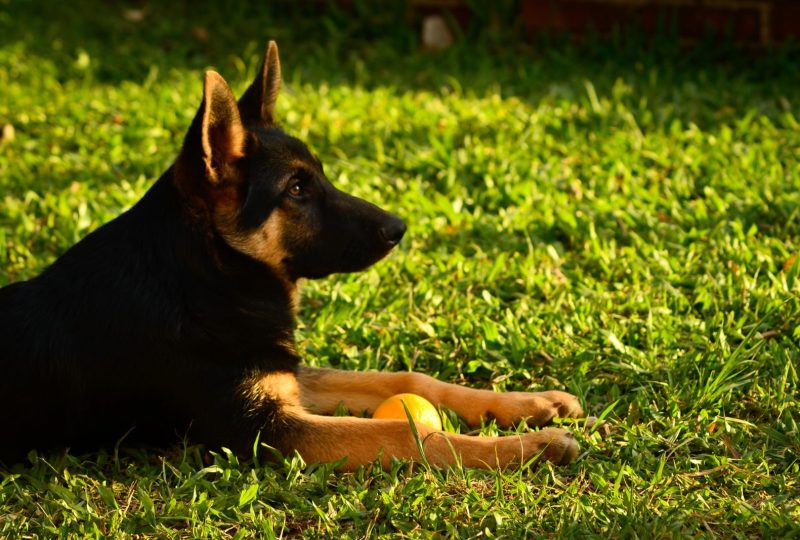
German Shepherd Enrichment Ideas (Indoor + Outdoor)
Brain games, scent work, and calm chew rituals that give a German Shepherd real work — not just…
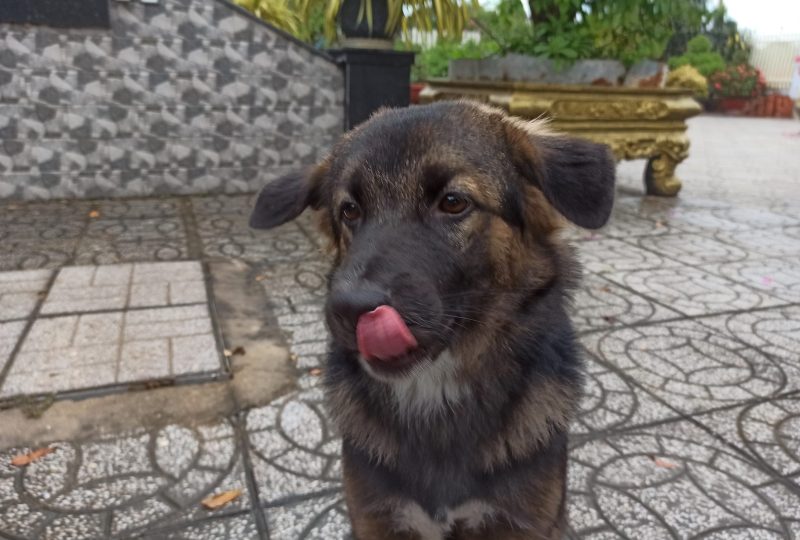
The Most Adorable Dog Breeds (and Where German Shepherds Fit)
Why we find certain dogs irresistible, fifteen genuinely adorable breeds with the honest version of living with each,…