Senior German Shepherd Care: Comfort, Mobility, Daily Setup
Practical changes that keep a senior German Shepherd comfortable — bedding, traction, routine adjustments, and when to call the vet.

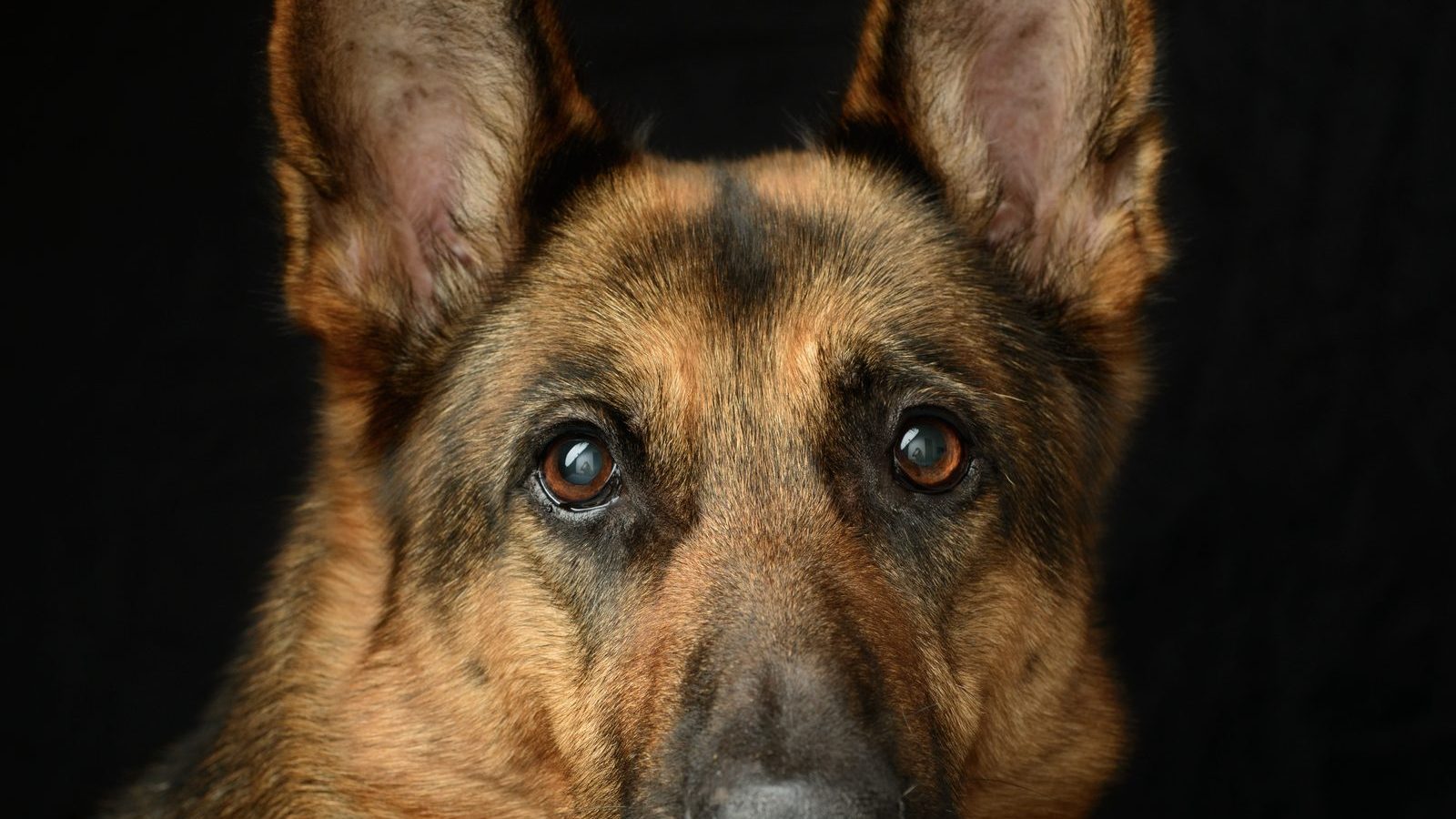
Short answer: keep them lean, keep them moving, and make the floor safe
German Shepherds are usually considered senior from around seven years. The three things that make the biggest difference are staying slim, short frequent walks instead of long ones, and rugs and ramps so slippery floors and jumps stop being a daily risk. Add vet check-ups every six months and you catch most problems while they are still small.
You notice it in small things first. A slight hesitation before the stairs. Taking a moment longer to get up off the kitchen floor. Sleeping through the doorbell that used to bring the whole house down. Nothing dramatic — just a dog who is doing everything slightly slower than they did last year.
This part of a German Shepherd’s life can be the best part. They are calm, they know you completely, and they have stopped needing three hours of entertainment a day. What they need instead is comfort, a safer house, and someone watching closely enough to notice when “getting old” is actually something treatable.
This guide covers what genuinely changes with age, the signs that deserve a vet appointment rather than a shrug, the home setup that keeps an older dog steady on their feet, how to keep them moving without overdoing it, and how to think about quality of life when the time comes.
This is general owner information, not veterinary advice. Ageing is not a diagnosis. Stiffness, slowing down, weight change, incontinence and confusion all have medical causes that are often treatable — and pain in dogs is chronically under-recognised because they hide it well. Anything on this page that describes your dog is a reason to book an appointment, not a reason to buy a supplement. Never give human painkillers to a dog; many are toxic to them.
When Is a German Shepherd Senior?
Large breeds age sooner than small ones. Most vets treat a German Shepherd as senior from about seven, and many practices start senior health screening then — even though plenty of seven-year-olds are still charging around like teenagers.
What changes is gradual and mostly invisible at first: muscle mass declines, joint cartilage wears, hearing and eyesight fade slightly, the immune system slows, and the body becomes less good at regulating temperature. None of it happens overnight, which is exactly why owners tend to notice late.
The goal of senior care is not to stop your dog getting older. It is to make sure that nothing painful or treatable is being written off as “just age” — and to make the house work for the dog they are now.
Normal Ageing vs “Ring the Vet”
This table is the most useful thing on the page. Print it, and use it whenever you catch yourself saying “well, he is getting on”.
| What you notice | Could be normal ageing | Book an appointment if |
|---|---|---|
| Slowing down | Shorter bursts of energy, longer naps | Reluctant to walk at all, lags badly, or stops mid-walk |
| Stiffness | A little slow to rise, loosens up after a few minutes | Limping, yelping, struggling to stand, or stiff every single morning |
| Weight | Slight change with the seasons | Any unexplained loss, or steady gain despite the same food |
| Drinking | More in hot weather | Drinking noticeably more, or needing to go out at night |
| Lumps | Fatty lumps are common in older dogs | Always get new lumps checked — size, speed of growth and firmness matter |
| Toileting | Needs to go out slightly more often | Accidents indoors, straining, blood, or leaking while asleep |
| Behaviour | Less interested in rowdy dogs and long walks | Grumpiness, snapping when touched, hiding, or new anxiety |
| Breathing | Recovers normally after exercise | Coughing, panting at rest, or tiring very quickly |
An old dog who suddenly snaps when touched, hates being brushed in one area, or growls at a dog who bumps into them is very often sore, not bad-tempered. Behaviour change in a senior is a medical question first. It is one of the most common things owners misread — and one of the easiest to fix once it is diagnosed.
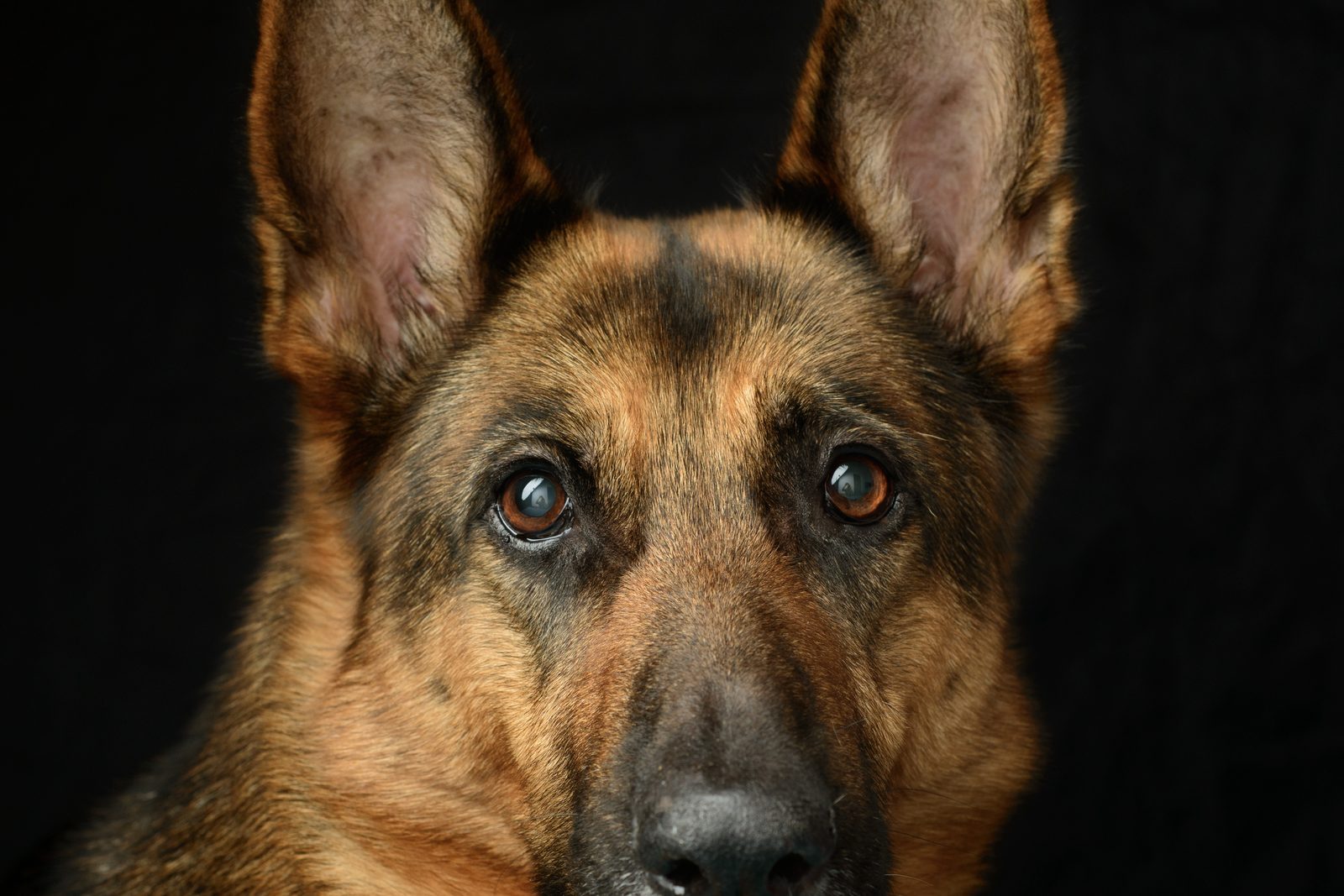
Home Setup: The Changes That Help Most
Most senior injuries happen at home, not on walks. Slipping on a hard floor, jumping out of a car boot, or scrambling up from a slippery kitchen tile does far more damage to an arthritic dog than a gentle stroll ever will.
- Runners and rugs along every route the dog walks indoors
- A ramp for the car — no more jumping down
- Non-slip mats where they eat and where they get up from
- A thick orthopaedic bed, low enough to step onto
- Baby gate at the top of the stairs
- Nails kept short — long nails destroy grip on hard floors
- Paw hair trimmed level with the pads for traction
- Night light on the route to the garden
- Jumping in and out of the car
- Repeated stairs, especially downwards
- Slippery laminate with no rugs at all
- Ball throwing with hard stops and turns
- Long weekend hikes after a quiet week
- Sleeping somewhere cold or draughty
- Rough play with young, bouncy dogs
- Waiting to see if a limp “settles down”
The rug thing sounds trivial and is not. A dog whose back legs slide out from under them learns to be frightened of the floor, moves less, loses more muscle, and gets weaker — a loop that starts with a shiny hallway.
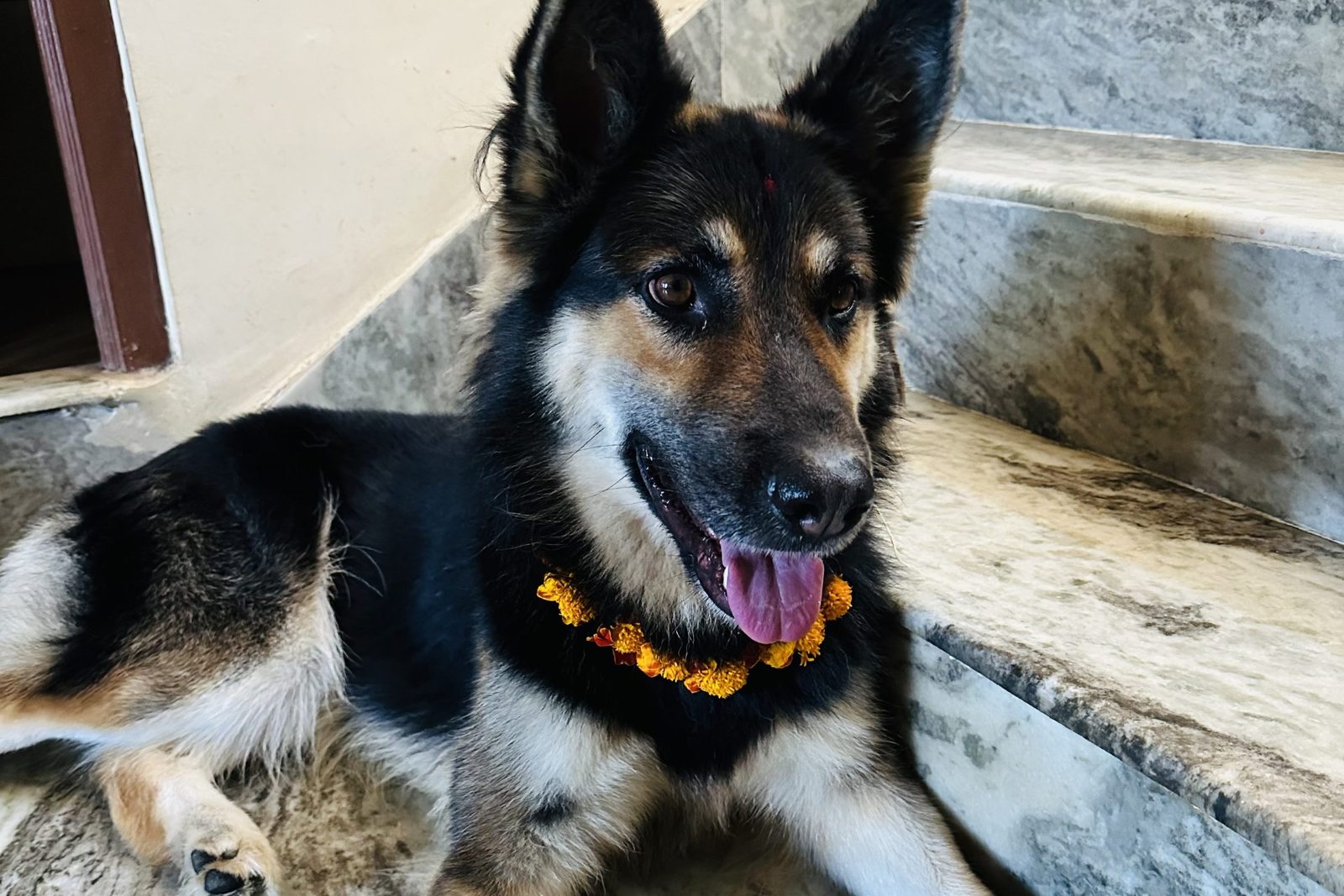
Keeping Them Moving Safely
The instinct when a dog slows down is to let them rest. Some rest is right; too much is the fastest route to weakness. Muscle supports arthritic joints, and muscle disappears quickly in a dog who stops using it.
Three walks of fifteen to twenty minutes beat one walk of an hour. Consistency matters far more than distance — the “weekend warrior” pattern is what causes the Monday limp.
Grass and woodland trails are kinder than pavement. Uneven ground at a slow pace is also good balance work, as long as it is not slippery.
Two minutes of slow walking at each end of a session. Old joints, like old knees, do not like going from lying down to full speed.
Excellent low-impact exercise that builds muscle without loading joints. Ask your vet for a referral to a qualified canine hydrotherapist rather than improvising in a cold lake.
The honest test of whether yesterday was too much. Stiffness the following day means scale back — and mention it at the next appointment.
Keep the brain busy as the body slows. Snuffle mats, gentle scent games and short training sessions matter more, not less, as walks get shorter — our enrichment ideas has plenty that suit stiff older dogs.
Weight: The Biggest Lever You Have
If you do one thing from this guide, do this one. Every extra kilo on an arthritic German Shepherd is load going through joints that already hurt. Weight loss is one of the few interventions that reliably improves comfort and mobility, and it costs nothing.
Metabolism slows with age while appetite usually does not, so the food that kept your dog trim at four will quietly make them heavy at nine. Use the ribs-and-waist check from our feeding guide every fortnight, adjust portions by 10% at a time, and use your vet’s scales monthly — most practices let you drop in for free.
The old advice to cut protein in older dogs has largely been overtaken. Senior dogs need good quality protein to hold onto muscle — the thing that supports their joints. Reduce calories if they are gaining weight, but do not reduce protein unless your vet has a specific reason, such as diagnosed kidney disease.
Grooming and Daily Care Changes
Older dogs often groom themselves less, hold hair longer, and find standing for a long session uncomfortable. A few small adjustments keep it pleasant.
- Shorter, more frequent sessions — five minutes twice a week rather than fifteen minutes once.
- Let them lie down for most of it. Standing still is hard work for sore hips.
- Nails matter more than ever. Long nails ruin grip on hard floors and change how the foot loads. Every 2–3 weeks.
- Check the sanitary area — stiff dogs cannot always keep themselves clean, and a tidy-up prevents sore skin.
- Handle gently around the hips and lower back, and note anywhere they flinch — that is information for your vet.
- Keep brushing teeth. Dental disease is painful and common, and older dogs often need it most.
The full routine is in our grooming schedule — the jobs stay the same, the sessions just get shorter and kinder.
Confusion and Cognitive Change
Some older dogs develop canine cognitive dysfunction — a dementia-like condition. It is easy to miss because it starts subtly and looks like ordinary ageing.
Signs to mention to your vet include: standing in corners or staring at walls, getting stuck behind furniture, pacing at night and sleeping in the day, forgetting house training, going to the hinge side of a door, seeming not to recognise familiar people, or becoming anxious for no obvious reason.
It is worth raising early. There are management approaches — diet, supplements, medication, routine and environmental changes — that can help, and your vet will also want to rule out the other things that cause similar signs, including pain, deafness, failing eyesight and thyroid problems. Keeping routines highly predictable, leaving a night light on, and continuing gentle mental stimulation all help a confused dog feel safer.
Vet Care in the Senior Years
From about seven, most vets recommend moving from annual to six-monthly check-ups. Dogs age faster than we do; a year between appointments is a long time at this stage.
| What | How often | Why it matters |
|---|---|---|
| Full physical exam | Every 6 months | Lumps, joints, heart, teeth, eyes — the things you cannot check at home |
| Weight check | Monthly | Free at most practices. Trends matter more than any single number |
| Blood and urine screening | Annually, or as advised | Kidney, liver and thyroid changes show up in bloods long before symptoms |
| Dental check | Every visit | Dental pain is extremely common and hidden well by dogs |
| Pain assessment | Whenever anything changes | There are good options for arthritis pain — but only if it is diagnosed |
| Parasite prevention | As advised | Older immune systems cope less well; keep the routine going |
Take video to appointments. A ten-second clip of your dog getting up from the floor at home tells your vet more than the same dog trying to look brave on a clinic table. Keep a short note of what changed and when — the health reminder tracker is designed for exactly this.
Joint supplements are the most common thing owners buy for older dogs. Some have reasonable evidence, many do not, quality varies enormously, and none of them are a substitute for a proper pain assessment. Ask your vet which specific product they recommend, and never use human anti-inflammatories — ibuprofen and paracetamol are toxic to dogs.
Comfort Gear That Earns Its Place
We recommend product types and the features that matter rather than sponsored placements, and we link to live Amazon results instead of quoting prices that go stale. As an Amazon Associate we may earn from qualifying purchases — at no extra cost to you.
A proper orthopaedic memory foam bed
Not a padded cushion — a solid slab of supportive foam thick enough that an arthritic 35kg dog does not sink through to the floor. It is the one piece of senior gear that changes how a dog sleeps, and how easily they get up in the morning.
- Distributes weight off hips, elbows and shoulders
- Low sides mean no climbing or stepping over
- Waterproof liner matters — older dogs sometimes leak
- Put one where the family sits, not in a separate room
See orthopaedic beds on Amazon →
Good to know: check it is solid foam rather than shredded chips, which flatten within months. Two beds in different rooms is better than one perfect bed a stiff dog has to walk to.
| Item | What to look for | Find it |
|---|---|---|
| Car ramp | Non-slip surface, side rails, rated well above your dog’s weight | See options → |
| Non-slip runners | Rubber-backed rugs for hallways and around beds | See options → |
| Support harness with handle | Rear-lift or full-body, padded, for helping up steps | See options → |
| Raised or tilted bowl | Only if your vet suggests it for comfort | See options → |
| Washable bed liner | Waterproof, machine washable, big enough for an XL bed | See options → |
Our senior comfort gear guide goes into beds, ramps and support harnesses in more detail.
Quality of Life, Honestly
At some point most owners of an old dog start quietly wondering whether they are doing the right thing. It is a horrible question to sit with alone, and it is worth having a framework rather than a feeling.
Vets often use quality-of-life scales that look at pain, appetite, hydration, hygiene, mobility, and whether there are still more good days than bad ones. Keeping a simple diary helps enormously — a tick or a cross each day, so you are judging a month rather than a bad Tuesday.
Ask your vet the question out loud. They have this conversation often, they will not think less of you for asking early, and having it before a crisis means the decision is made with your dog’s comfort in mind rather than in a panic at 2am.
Whatever else, ask about pain relief specifically. A great many “he is just old” dogs turn out to be sore dogs, and a proper pain plan from your vet can give back months of comfortable, happy life.
7 Mistakes (and the Fix for Each)
❌ 1. Writing everything off as “just age”
Stiffness, weight loss, confusion, drinking more and grumpiness all have treatable causes. Age is not a diagnosis.
✅ Fix: six-monthly check-ups, and a vet call whenever something new appears rather than waiting for the next appointment.❌ 2. Letting them stop moving
Rest feels kind, but muscle loss makes joints worse and the decline speeds up.
✅ Fix: short, frequent, gentle walks every day — three twenty-minute outings rather than one long one.❌ 3. Ignoring the slippery floor
Hard floors cause falls, and falls cause both injuries and fear of walking.
✅ Fix: rugs and runners on every indoor route, short nails, and trimmed paw hair for grip.❌ 4. Letting the weight creep
Same food, slower metabolism, less exercise — and a few extra kilos going through sore hips.
✅ Fix: fortnightly ribs check, monthly weigh-in at the vet, 10% portion adjustments.❌ 5. Buying supplements instead of a diagnosis
Months of joint powders while an actual, treatable problem goes unaddressed.
✅ Fix: get a pain assessment first, then ask your vet which supplement — if any — is worth adding.❌ 6. The weekend warrior pattern
Quiet weekdays followed by a two-hour Sunday hike is exactly what produces the Monday limp.
✅ Fix: keep daily activity consistent, and make the weekend outing longer only by a small amount.❌ 7. Waiting for a crisis to talk about the end
Making a decision at 2am in an emergency clinic is the hardest possible version of it.
✅ Fix: ask your vet about quality of life and options early, while it is still a calm conversation.🎥 Film the getting-up
Ten seconds of your dog rising from the floor at home is the most useful thing you can show your vet.
📓 Tick-a-day diary
Good day or bad day, one mark. Over a month it tells you the truth far better than memory does.
🛏️ Two beds, not one
One where the family sits, one where they sleep. Stiff dogs should not have to travel to be comfortable.
🌡️ Mind the temperature
Older dogs feel cold and heat more. A warm bed away from draughts, and shade plus water in summer.
Frequently Asked Questions
At what age is a German Shepherd considered senior?
Usually around seven years, though it varies with the individual dog and their line. Most vets start senior screening at that point — not because the dog is old, but because it is the stage where catching things early makes the most difference.
How much exercise does a senior German Shepherd need?
Little and often: two or three walks a day totalling around 30–60 minutes, on soft ground where possible. Consistency matters far more than distance. If they are stiff the next morning, that day was too much.
Is my old dog in pain, or just slowing down?
Dogs hide pain extremely well, and arthritis is very common in older German Shepherds. Reluctance to jump, difficulty rising, stiffness after rest, licking a joint, irritability when touched and reduced interest in walks are all worth a pain assessment. Do not guess — and never give human painkillers.
Should I switch to senior dog food?
Not automatically. Senior formulas are usually lower in calories, which helps if your dog is gaining weight, but the important things are keeping protein up and total calories right. Ask your vet whether a switch benefits your specific dog.
My senior is having accidents indoors. What should I do?
See your vet before anything else. Incontinence, urinary infections, kidney disease, diabetes and cognitive decline can all cause it, and several are very treatable. In the meantime, more frequent garden trips, a washable bed liner and a night light help — and never tell an old dog off for an accident.
Do joint supplements work?
Evidence varies by ingredient and product, and quality control in the supplement market is inconsistent. Some vets recommend specific ones as part of a broader plan alongside weight control, exercise management and — where needed — prescription pain relief. Ask yours which product they actually rate rather than choosing from an advert.
✅ Your Senior Care Checklist
- Vet check-ups every six months from about seven years
- Monthly weigh-in; ribs-and-waist check every fortnight
- Rugs and runners on every hard floor the dog uses
- A ramp for the car — no more jumping down
- Thick orthopaedic bed, low sided, in the room the family uses
- Nails every 2–3 weeks and paw hair trimmed for grip
- Three short walks a day rather than one long one
- Brain work continues: snuffle mats, scent games, short training
- Protein kept up unless your vet says otherwise
- New lumps, limps or behaviour changes → booked, not watched
- Video of your dog moving at home taken to appointments
- Quality-of-life conversation had early, not in a crisis
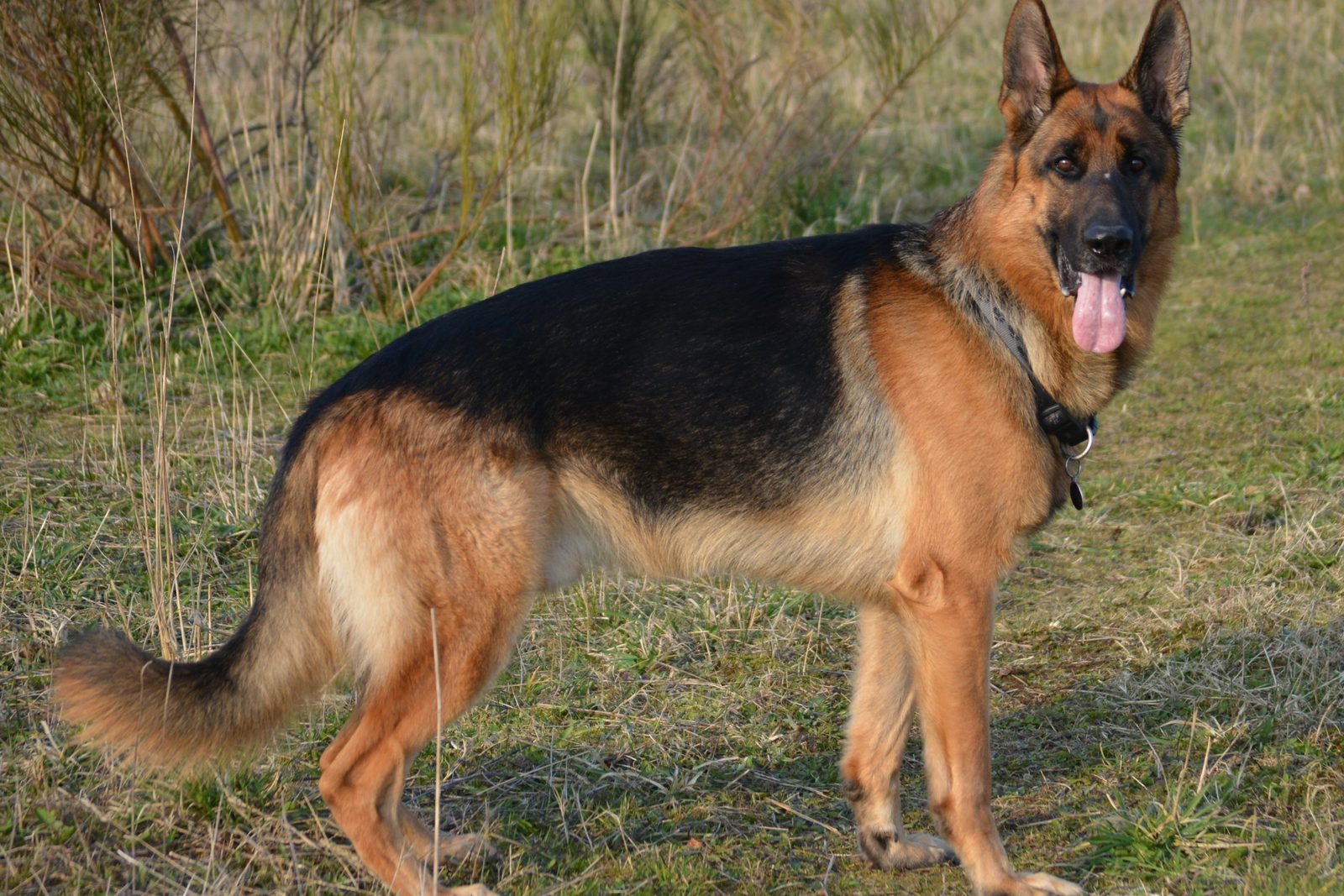
The Bottom Line
Caring for an older German Shepherd is mostly small, unglamorous things done consistently: rugs on the floor, a ramp at the car, a thick bed, short walks every day, portions adjusted before the weight creeps, and appointments booked at the first sign of something new.
And one attitude that matters more than any product: treat “just getting old” as a hypothesis, not a conclusion. Ask the question, get the pain assessed, and you will very often find there is more good time available than you thought.
- Senior comfort gear — beds, ramps and support harnesses
- German Shepherd feeding guide — weight control and senior portions
- German Shepherd enrichment ideas — gentle brain work for older dogs
- Free health reminder tracker — check-ups, weights and notes in one place
Recommended German Shepherd gear for this guide
Orthopedic large dog bed (memory foam)
Best for: Joint comfort and stretch-out sleep
- Pressure relief
- Washable cover
- Non-slip base
Affiliate link — we may earn a commission, at no cost to you.
Folding dog ramp for SUVs
Best for: Senior or post-injury vehicle access
- Folds flat
- Non-slip surface
Affiliate link — we may earn a commission, at no cost to you.
Quiet nail grinder
Best for: Smooth nail maintenance
- Quiet motor
- Multiple speeds
Affiliate link — we may earn a commission, at no cost to you.
Go deeper
Related articles
Shop the picks
Try a tool

Keep reading
More in Health & Senior Care →
German Shepherd Grooming Schedule (Weekly + Monthly)
A simple, sustainable grooming schedule for a German Shepherd: brushing, baths, nails, ears, dental, parasite check, and seasonal…
German Shepherd Feeding Guide (Puppy, Adult, Senior)
How owners think about feeding a German Shepherd at every life stage — without prescribing calories or pushing…
Dog Shaker Syndrome: Why a Dog Trembles and What It Means
What generalised tremor syndrome is and how it is treated, ten other causes of trembling, the emergencies that…