German Shepherd Recall Training: A Reliable “Come” From Scratch
Build a recall your German Shepherd actually responds to — on a long line first, then in real life, without scolding returns or off-leash gambles.

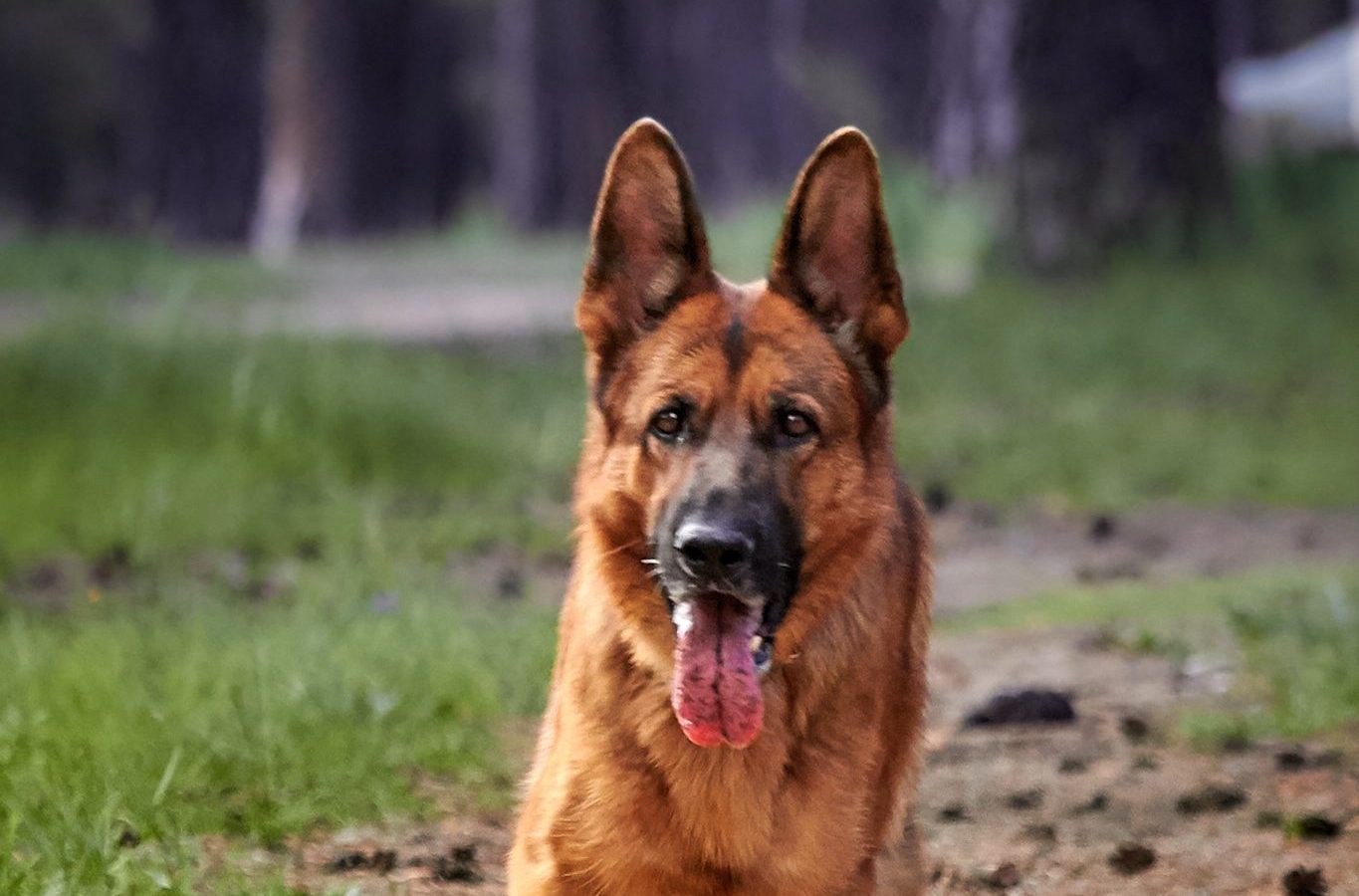
Short answer: make coming back the best thing that happens all day
A reliable recall is built on three rules: never call unless you can back it up (use a long line), pay enormously every single time for the first few months, and never call your dog to end the fun. Train it in that order and most German Shepherds have a solid recall in quiet places within three to four weeks.
There is a specific flavour of panic that comes with watching your German Shepherd’s back end disappear over a hill while you shout their name into the wind. You have called four times. The name has gone from friendly, to firm, to a noise that even you would not come back for. And somewhere in your head a voice says: this dog just does not respect me.
That voice is wrong, and it is also the reason most recall training fails. Recall is not obedience. It is a bet your dog makes every time you call. On one side, whatever they are doing right now. On the other, whatever they think you are offering. Your job is to keep winning that bet — and that is entirely within your control.
This guide covers why recall breaks down, the exact kit you need, a six-step plan from the kitchen to the open field, the games that put speed into it, how to build a separate emergency recall, and what to do when your teenager suddenly forgets their own name. All reward-based, all tested by real owners with real, busy dogs.
Anyone with a German Shepherd from 8 weeks to adult — including dogs whose recall used to be fine and has fallen apart. If your dog chases livestock, wildlife or joggers, keep them on a long line while you work through this, and get help from a certified, reward-based trainer. Chasing is self-rewarding and needs management as well as training.
Why Recall Breaks Down
Almost every failed recall comes down to one of these five things. Read them honestly — most of us have done at least three.
1. The cue has been poisoned
If “come” has ever meant bath time, nail clipping, the end of the walk or a telling-off, your dog has quietly filed it under things that end fun. Dogs are excellent bookkeepers. One or two bad experiences with a cue can outweigh a hundred good ones.
2. The pay is too low
A dry biscuit does not compete with a rabbit, a river, or another dog. Recall is the single hardest thing you ask your dog to do, and it deserves the best food in the house — cheese, chicken, sausage, liver. Owners who “cannot get their dog to come back for treats” are usually offering the wrong treats.
3. It was practised only when it mattered
If the only time you call is when your dog is already fifty metres away with their nose down, you have never actually trained the behaviour — you have only ever tested it, at the hardest possible level, and failed.
4. The dog learned that “come” is optional
Every time you call and nothing happens, the cue gets a little weaker. Ten ignored recalls and the word means roughly nothing. This is why the long line matters so much — it lets you make sure that every single call ends with your dog arriving.
5. This is a working breed with a job in mind
German Shepherds were bred to move away from the handler, notice things and act. A dog scanning a field is not being disobedient — they are doing exactly what generations of breeding asked for. That instinct is not going away, so recall has to be trained to compete with it, not assumed.
Never call your dog unless one of two things is true: you are certain they will come, or you can make it happen with a long line. Everything else is gambling with your cue word.
Before You Start: Kit and Cue Word
You need surprisingly little, but the long line is not optional. It is the difference between training a recall and hoping for one.
We recommend product types and the features that matter rather than sponsored placements, and we link to live Amazon results instead of quoting prices that go stale. As an Amazon Associate we may earn from qualifying purchases — at no extra cost to you.
A 5–10 metre long line (with a Y-harness)
A long line gives your dog the freedom to make choices while guaranteeing that every recall you call actually ends with them arriving. It is the single reason some owners get a reliable recall in a month and others are still shouting across a field two years later.
- Lets you reel in gently instead of losing the recall entirely
- Biothane does not soak up mud or burn your hands like rope
- Keeps wildlife, livestock and other dogs safe while you train
- Let it drag on safe open ground so your dog forgets it is there
See long line options on Amazon →
Good to know: always attach a long line to a harness, never a collar — a dog hitting the end of ten metres at speed can injure their neck. Wear gloves for the first few sessions, and never wrap it round your hand or wrist.
| What you need | What to look for | Find it |
|---|---|---|
| Long line 5–10m | Biothane or webbing, strong trigger clip, no handle loop | See options → |
| Y-shaped harness | Back ring for the line, four adjustment points | See options → |
| High-value treats | Soft, smelly, pea-sized — not crunchy biscuits | See options → |
| Treat pouch | Opens one-handed, clips on, washable liner | See options → |
| Whistle (optional) | Fixed-tone pealess whistle, plus a spare on your keys | See options → |
Choosing the cue word
If your dog’s current recall word is worn out, pick a new one and never use the old one again. “Here”, “Close”, “To me” — anything you can say in a bright, happy voice. Avoid the dog’s name as a recall cue; the name should mean “look at me”, nothing more.
A whistle is worth considering for a German Shepherd. It sounds identical whether you are calm or furious, it carries much further than a voice, and anyone in the family can use it the same way. Two short pips, always followed by food, works well.
The 6-Step Recall Plan
Two or three sessions a day, two minutes each. Do not skip ahead — the whole thing is built on your dog winning every single repetition.
Charge the cue in the kitchen
Say your new cue once, then immediately hand over a small piece of chicken. Your dog does not need to do anything. Ten repetitions, three times a day, for two days.
Why it works: before the word can be an instruction, it has to be a promise. You are building the association from nothing so the cue arrives already loaded.
Add two metres of distance indoors
Cue, then run backwards a few steps as they come. Pay at your legs with three or four treats in a row rather than one. Then release them to go back to whatever they were doing.
Why it works: running away turns recall into a chase game, which is exactly what a Shepherd wants. Multiple treats in a row make arriving feel like a jackpot rather than a transaction.
Move to the garden with the long line on
Let them potter. When they are mildly distracted — sniffing, not obsessed — call once. If they come, jackpot. If they do not, gently apply pressure on the line and reel in cheerfully, then pay anyway.
Why it works: the line guarantees the outcome. Paying even when you had to help keeps the cue positive; the dog never learns that ignoring it is an option.
Take it to a quiet field on the long line
Ten metres of line, let it drag on safe ground. Call at unpredictable moments, roughly every couple of minutes. Alternate: sometimes food, sometimes a tug game, sometimes just a fuss and release. Always something.
Why it works: variable rewards are more powerful than predictable ones — the same reason a slot machine holds attention. Your dog never knows how good this one will be.
Recall, reward, release
Every recall in training should end with “off you go”. Only occasionally does it end with the lead going on — and when it does, feed several treats first and walk on a few paces before clipping up.
Why it works: this is the single biggest protection against a poisoned cue. If coming back rarely ends the fun, there is no reason to avoid it.
Fade the line, keep the standard
Once you get ten out of ten recalls in a location, try it with the line dragging unattached, then in a securely fenced space off-lead. If you drop below nine out of ten, the line goes back on for a week. No drama.
Why it works: you are testing rather than hoping, and you have an honest measure. Most recall failures come from taking the line off two weeks too early.
Pay for every recall for the first six months. Not a treat — a party. It feels excessive right up until the day your dog turns away from a deer because coming back has always been better.
Three Games That Build Speed
A slow recall is a half-recall. These games make coming back feel like the best part of the walk rather than an interruption to it.
Two people, twenty metres apart, one dog, plenty of treats. Take turns calling. The dog sprints back and forth and both of you become excellent news. Brilliant for building speed and for getting children involved safely.
On a walk in safe woodland, step behind a tree while your dog is sniffing and call once. The moment of “where did they go?” followed by finding you is enormously reinforcing, and it teaches your dog to keep track of where you are.
Call, then turn and run in the opposite direction. Almost no dog can resist. Finish with a tug toy or a scatter of treats in the grass. Thirty seconds, twice a walk, and your recall becomes a sprint rather than a stroll.
Proofing: The Distraction Ladder
Recall does not generalise on its own. A dog who is perfect in the garden genuinely does not know the word applies in a field full of rabbits. Work up the ladder one rung at a time, and drop back a rung whenever you fail twice.
| Level | Where / what | Move up when |
|---|---|---|
| 1 | Indoors, no distractions | 10/10 instant responses |
| 2 | Garden, family moving about | 10/10 with someone else in the garden |
| 3 | Quiet field, long line, no other dogs | 10/10 over 10 metres |
| 4 | Field with interesting smells and distant dogs | 9/10 at 20 metres |
| 5 | Path with people, bikes and dogs at a distance | 9/10 first time, every session |
| 6 | Busy park, dogs playing nearby | Consistent — then and only then, off-line in safe areas |
If your dog does not start moving towards you within about three seconds, do not repeat the cue. Instead, make yourself more interesting — crouch, run away, make a happy noise, rustle the treat bag — and use the line. Repeating “come, come, COME” only teaches your dog that the word can be safely ignored the first four times.
Building an Emergency Recall
Every dog should have a second cue that is used almost never and paid absurdly when it is. This is the one you use when a car door opens, a gate is left ajar or a deer breaks cover.
- Pick a distinctive sound. A whistle pattern, or a word you would never say by accident — “PARTY”, “BACON”, anything odd.
- Charge it for two weeks. Make the sound, then hand over something extraordinary — a whole chicken thigh’s worth of chunks, fed one after another for thirty seconds. Once a day. Ask for nothing.
- Test it once a fortnight in a mildly distracting place, and pay exactly the same way.
- Never use it casually. Not to come in from the garden, not to end a walk. Fewer than a dozen real uses a year keeps it powerful.
- Top it up monthly. One charged repetition a month keeps the association alive for years.
When Your Dog Ignores You
It happens to everyone. What you do in the next ten seconds decides whether the recall gets stronger or weaker.
- Move away from your dog, not towards them
- Crouch down, or lie on the grass — curiosity beats commands
- Make a high, happy noise, then run a few steps
- Use the long line to guide them in, then pay anyway
- Note what the distraction was and train nearer it next time
- Repeat the cue five times, louder each time
- Chase them — it is the best game in the world
- Tell them off when they finally arrive
- Grab the collar the moment they get near
- Call at all if you know it will not work
The collar grab deserves its own note. If your dog has learned that arriving means being grabbed, they will start hovering just out of reach — the “helicopter” recall. Fix it by feeding several treats then touching the harness, over and over, until hands near the neck predict food rather than the end of freedom.
Adolescence and the Recall Dip
Somewhere between seven and eighteen months, most German Shepherds go temporarily deaf. The dog who had a perfect recall at five months now stares straight through you. This is normal, it is hormonal and developmental, and it passes.
What matters is that you do not spend those months letting recall fail repeatedly. Put the long line back on, drop back two rungs on the distraction ladder, raise the value of the food, and keep every repetition successful. Owners who manage adolescence with a line come out the other side with an excellent recall. Owners who spend it shouting across a park usually do not.
7 Mistakes (and the Fix for Each)
❌ 1. Only calling to end the walk
If “come” reliably means the lead goes on and the fun stops, your dog is not being disobedient by ignoring it — they are being sensible.
✅ Fix: recall ten times per walk and release nine of them. Clip the lead on at random moments without calling.❌ 2. Repeating the cue
“Come… come… COME!” teaches your dog that the word is a suggestion with several chances attached.
✅ Fix: say it once. If nothing happens in three seconds, get sillier and use the line — but do not say it again.❌ 3. Going off-lead too early
A dog who has practised ignoring you across a field for a month has a very well trained habit — just not the one you wanted.
✅ Fix: long line until you have ten out of ten in that exact environment. Weeks, not days.❌ 4. Boring rewards
Kibble does not beat a rabbit. Nothing about that is a reflection on your dog’s character.
✅ Fix: keep a separate recall stash — cheese, chicken, hot dog — used for nothing else.❌ 5. Telling the dog off when they come back
They took four minutes and you are furious. Completely understandable, and completely fatal to your recall.
✅ Fix: reward the arrival, whatever happened before it. Your dog links the treat to coming back, not to the four minutes of ignoring.❌ 6. Chasing a dog who runs off
Running towards a Shepherd who has just discovered freedom starts the best chase game they have ever played.
✅ Fix: run the other way, or sit down on the ground. Most dogs come back within seconds out of sheer curiosity.❌ 7. Training only when you have time
Recall lives or dies on repetitions, and a formal twenty-minute session once a week does not provide them.
✅ Fix: six two-minute recalls a day, scattered through normal life — from the garden, up the stairs, out of the kitchen.Pro Tips From Experienced Owners
🐔 Keep a recall-only food
Something your dog gets for nothing else, ever. Roast chicken in a sealed pot in the fridge works beautifully.
🎺 Add a whistle early
It sounds the same whether you are relaxed or panicking, and it carries much further than a shout on a windy day.
👀 Pay every check-in
Every time your dog looks at you unprompted, mark it and pay. Attention is the foundation the recall sits on.
🏃 Never stand still
Moving away as they come turns a plod into a sprint, and it stops the dog stopping short.
📋 Keep a tally
Ten recalls, note the successes. It stops you making the off-lead decision on feelings alone.
🌧️ Train in bad weather
A recall that only works on sunny days is not a recall. Rain, wind and dusk are all separate rungs on the ladder.
Frequently Asked Questions
At what age should I start recall training?
The day your puppy comes home. Eight to sixteen weeks is the easiest window you will ever get, because puppies naturally want to stay near you. Charge the cue indoors from week one and you are banking reliability for the adolescent months.
How long until my German Shepherd has a reliable recall?
Three to four weeks for a solid recall in quiet places with a long line, and typically six to twelve months for something you would trust near serious distractions. Adolescence will interrupt it. That is normal, not failure.
Should I use a whistle or my voice?
Either works. A whistle has three advantages: it is consistent, it carries, and everyone in the family sounds identical. Many owners train both — voice for everyday, whistle for distance and emergencies.
My dog comes back but stops just out of reach. Why?
Almost always a history of being grabbed by the collar. Rebuild it by feeding several treats while your hand rests on the harness, dozens of times, until hands near the neck predict good things again.
Are electric or vibration collars a shortcut?
No. They may suppress the running-off, but they work through discomfort or startle, they are banned or restricted in several countries, and the research links them to increased fear and aggression. A long line and good food achieve a better recall with none of the fallout.
What if my dog chases wildlife or livestock?
Keep them on a long line in those environments, full stop — for the animals’ safety and your dog’s, and because chasing is so self-rewarding that a few successful chases can undo months of work. Work with a certified, reward-based trainer on impulse control and a rock-solid emergency cue before considering off-lead in those places.
✅ Your Recall Checklist
- A fresh cue word if the old one is worn out
- 5–10m long line attached to a harness, never a collar
- A recall-only food your dog gets for nothing else
- Cue said once — then get sillier, never louder
- Every recall paid, even the slow ones, even the assisted ones
- Nine out of ten recalls end in “off you go”
- Lead clipped on at random moments without calling
- Ten out of ten in a location before the line comes off
- A separate emergency cue, charged monthly, used almost never
- Hand-on-harness practice so nobody hovers out of reach
- Long line back on through adolescence, no shame in it
- Six short recalls a day beats one long session a week
The Bottom Line
A reliable recall is not a personality trait your dog either has or does not. It is a bank account. Every paid recall is a deposit; every ignored call, every telling-off on arrival and every walk that ends the second they come back is a withdrawal. Keep the balance high and your German Shepherd will come back from things you would not believe.
Use the line for longer than feels necessary, pay far more than feels reasonable, and let them go again nine times out of ten. That is genuinely the whole method — and it works on dogs who have been “impossible” for years.
- How to stop a German Shepherd pulling on the lead — the other half of a good walk
- German Shepherd enrichment ideas — a satisfied dog recalls better
- Best German Shepherd training gear — lines, pouches and harnesses
- Free training plan generator — build a week of two-minute sessions
Recommended German Shepherd gear for this guide
Long training line (30ft)
Best for: Recall practice in safe open areas
- Builds recall
- Lightweight options
Affiliate link — we may earn a commission, at no cost to you.
Low-calorie training treats
Best for: High-frequency reward training
- Soft, easy to break
- Quick consumption
Affiliate link — we may earn a commission, at no cost to you.
Training treat pouch with clip
Best for: Hands-free training sessions
- Magnetic close
- Clip-on belt
Affiliate link — we may earn a commission, at no cost to you.
Go deeper
Related articles
Shop the picks
Try a tool

Keep reading
More in Training →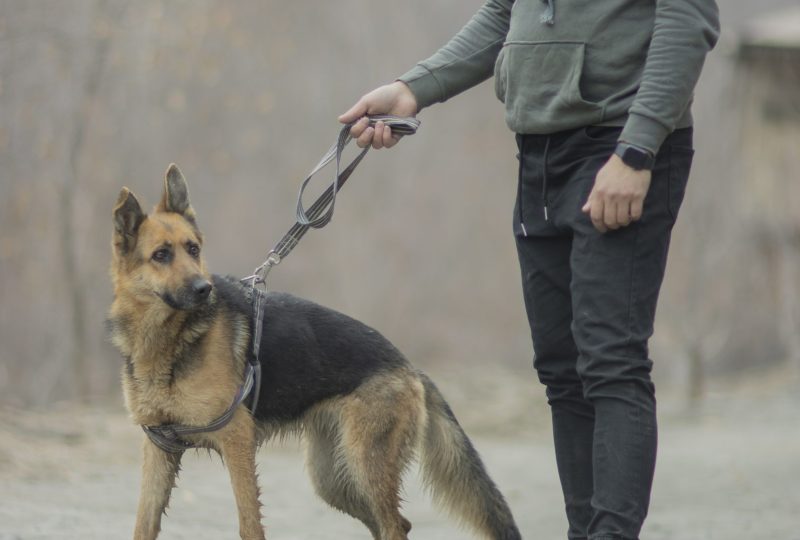
How to Stop a German Shepherd From Pulling on the Leash
A calm, repeatable loose-leash walking plan for German Shepherds — no prong collars, no yanking, no shutting the…
German Shepherd Enrichment Ideas (Indoor + Outdoor)
Brain games, scent work, and calm chew rituals that give a German Shepherd real work — not just…
How to Crate Train a German Shepherd Puppy (Step-by-Step)
A calm, positive crate-training plan that turns the crate into a den your German Shepherd actually likes.