German Shepherd Shedding Guide: How Much, When, and What to Do
German Shepherds shed daily and blow coat twice a year. Here's what to expect and the brush routine that keeps it manageable.

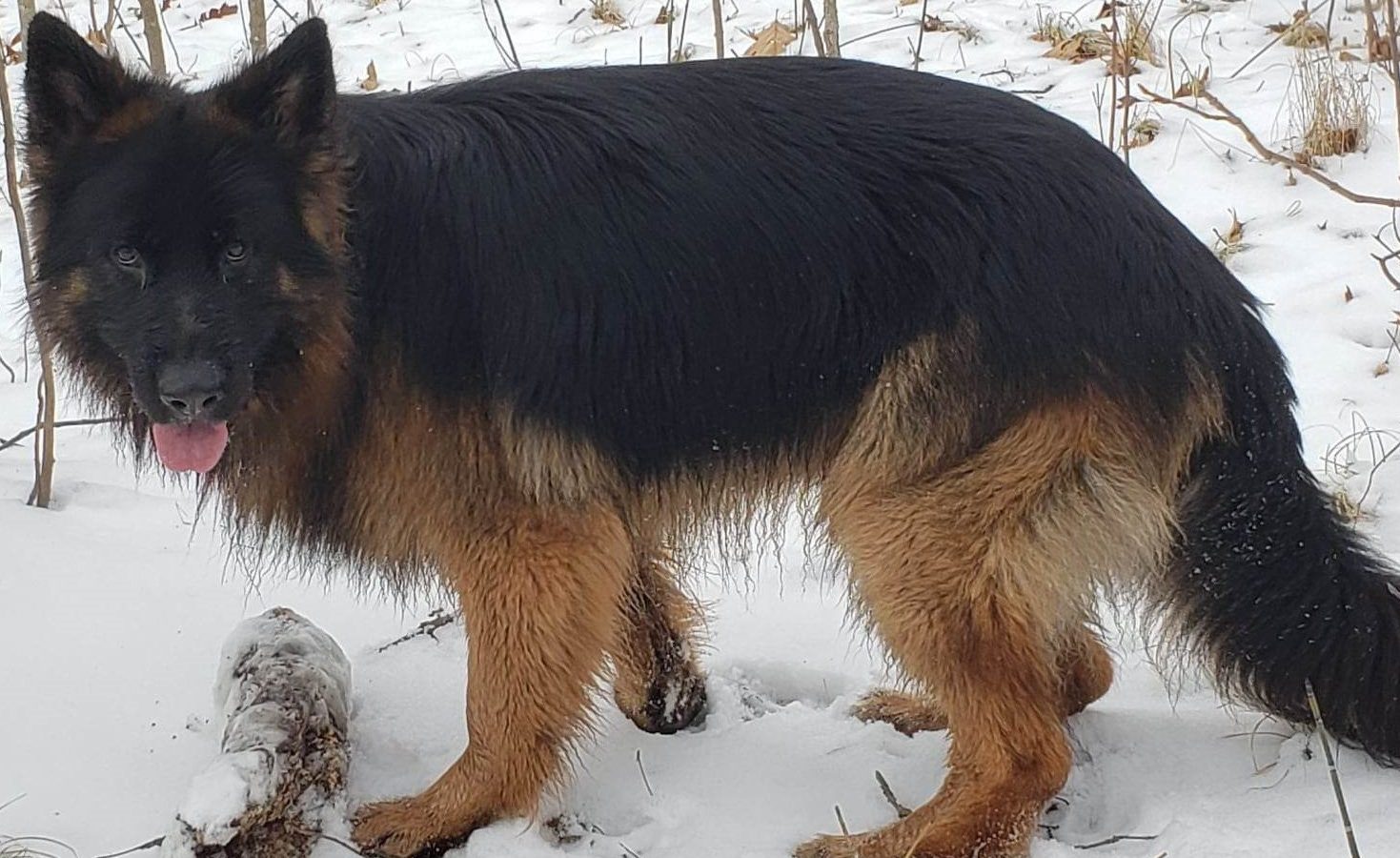
Short answer: they shed all year, and twice a year it gets dramatic
German Shepherds have a double coat that sheds lightly every single day, then “blows” the whole undercoat twice a year — usually spring and autumn, over two to four weeks. You cannot stop it. You can cut the hair in your house by 60–80% with a ten-minute undercoat rake session a few times a week, and by never, ever shaving the coat.
Nobody buys a German Shepherd without being warned about the hair. And everybody is still shocked by it. There is a moment, usually about six months in, when you pull a rake through your dog’s back end and produce enough undercoat to build a second, smaller dog — and you genuinely wonder whether something is wrong.
Nothing is wrong. This is a working coat doing exactly what it was designed to do. The double coat that keeps a Shepherd comfortable in a Bavarian winter and a July heatwave has to be replaced twice a year, and the old one has to go somewhere. Usually your sofa.
This guide explains how the coat actually works, when the heavy sheds happen, the tools that genuinely help (and the ones that damage the coat), how to cut the hair in your home dramatically, what diet does and does not do, and — importantly — the shedding changes that mean it is time to ring the vet.
Owners of stock coat and long coat German Shepherds of any age, including first-timers heading into their first coat blow and anyone wondering whether their dog is shedding more than they should. Anything health-related here points you to your vet rather than replacing them.
How the Double Coat Actually Works
A German Shepherd wears two coats at once, and understanding the difference is the key to everything else in this guide.
| Layer | What it is | What it does |
|---|---|---|
| Guard coat (top) | Longer, coarser, water-resistant hairs | Repels rain and mud, blocks UV, protects the skin from scratches and insects |
| Undercoat (bottom) | Dense, soft, woolly fluff close to the skin | Insulates — traps warm air in winter, and traps cool air against the skin in summer |
The guard coat sheds slowly and steadily all year. The undercoat is the seasonal one: it thickens in autumn, thins out in spring, and comes out in clumps when it goes. That is why the hair on your jumper is fine and short, while the tumbleweed under the radiator is soft and grey.
Stock coat vs long coat
Both shed. The difference is where the hair ends up. Stock coats (the standard, medium-length coat) drop shorter hairs that embed themselves into fabric like tiny needles. Long coats shed hair that is longer and more visible, but it tends to clump together and can be swept up more easily — though long coats also mat behind the ears and in the trousers if you skip grooming.
The hair is leaving your dog either way. The only real question is whether it leaves into a rake in the garden or into your carpet, your car and your dinner.
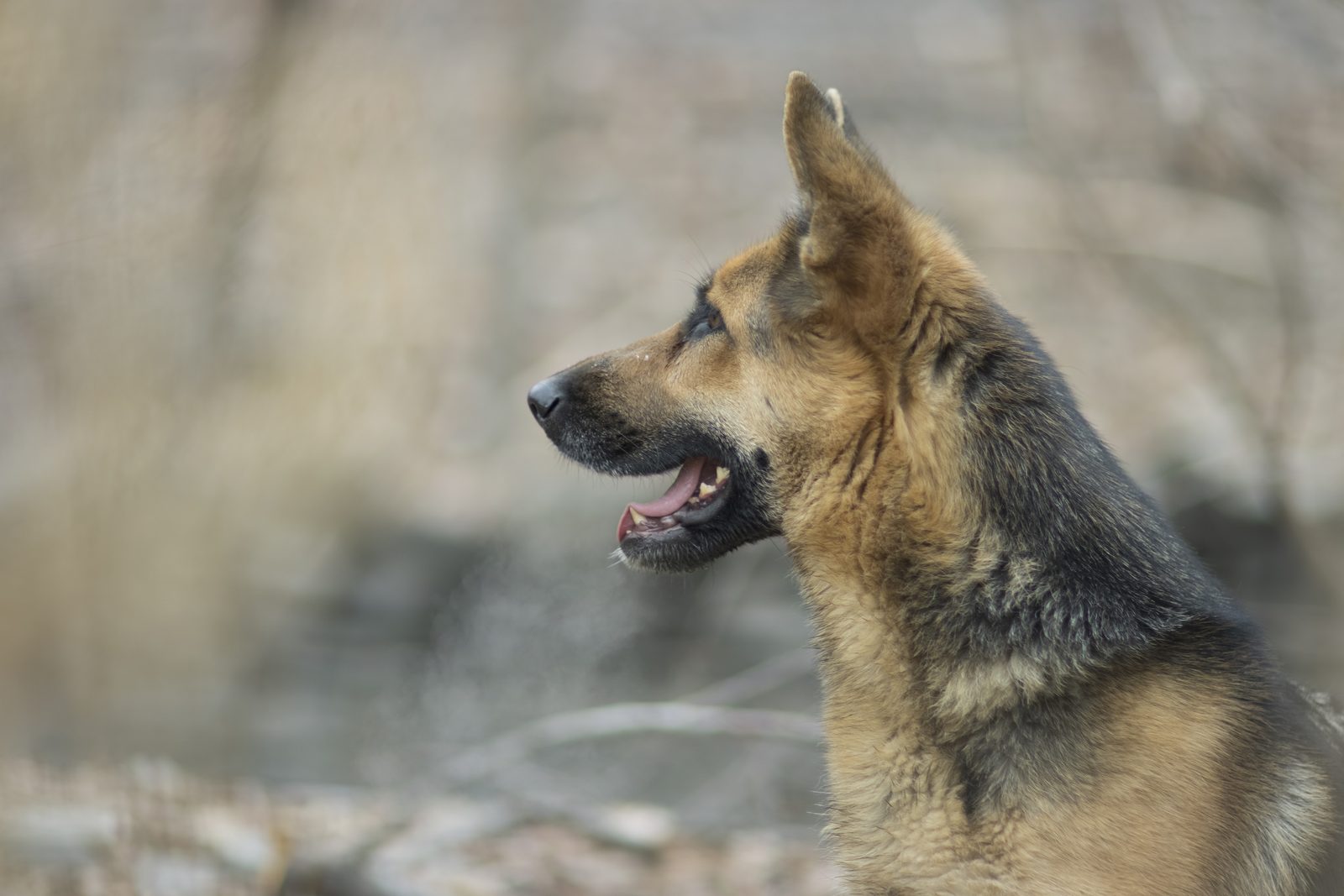
When German Shepherds Shed Most
Shedding is driven mostly by daylight hours, not temperature. That is why indoor dogs under artificial light often shed moderately all year instead of having two dramatic seasons, and why a mild winter does not spare you.
| Time of year | What is happening | What you will notice |
|---|---|---|
| Spring (roughly Mar–May) | Winter undercoat is dumped | The big one. Clumps, tufts, hair on everything. 2–4 weeks of heavy work |
| Summer | Light steady shedding | Normal daily hair. The coat is thinner and lighter |
| Autumn (roughly Sep–Nov) | Summer coat out, winter coat in | Second blow — often slightly lighter than spring |
| Winter | Full thick coat, low turnover | Least shedding of the year, most brushing needed to prevent matting |
| Indoor / centrally heated dogs | Light cycles are disrupted | Less dramatic seasons, more constant year-round shedding |
Puppies are the exception. A puppy’s soft fluff is replaced by the adult coat somewhere between 4 and 6 months, and many owners find their first real “shed” happens then. Females who have not been spayed also often shed heavily a few weeks after a season, which is entirely normal.
The Tools That Work (and the Ones That Don’t)
You need three things, and one of them does 70% of the work. Buying a drawer full of gadgets is the classic first-year mistake.
We recommend product types and the features that matter rather than sponsored placements, and we link to live Amazon results instead of quoting prices that go stale. As an Amazon Associate we may earn from qualifying purchases — at no extra cost to you.
An undercoat rake
A row of rounded metal teeth on a handle. It reaches through the guard coat and pulls out the loose dead undercoat without cutting anything. Ten minutes with one of these removes more hair than an hour with a normal brush, and it is the single most useful grooming purchase for this breed.
- Removes dead undercoat instead of shredding the guard coat
- Rounded teeth are far kinder to skin than a bladed de-shedder
- Ten minutes fills a carrier bag during a coat blow
- One tool lasts years — no refills, no blades
See undercoat rakes on Amazon →
Good to know: work in the direction the coat grows, in short strokes, and stop before the skin goes pink. If the rake is dragging rather than gliding, you are pressing too hard or the coat needs a comb through first.
| What you need | What to look for | Find it |
|---|---|---|
| Undercoat rake | Rounded double-row teeth, no cutting blades | See options → |
| Slicker brush | Coated pin tips, self-cleaning is a bonus | See options → |
| Metal comb | Wide and fine ends for mat checks behind the ears | See options → |
| Force dryer | Variable speed, cool setting — blasts undercoat out after a bath | See options → |
| Pet vacuum | Motorised pet brush head, not suction alone | See options → |
Our German Shepherd grooming tools guide compares rakes, slickers and dryers in more detail. Below is the honest verdict on every tool people are told to buy.
| Tool | Verdict | Why |
|---|---|---|
| Undercoat rake | ✅ Essential | Pulls dead undercoat out from the roots without cutting the guard coat |
| Slicker brush | ✅ Useful | Finishes the coat, lifts surface hair, good for trousers and tail feathering |
| Metal comb | ✅ Useful | Checks for mats behind the ears, in the armpits and around the collar |
| High-velocity dryer | ✅ Brilliant if you can | Blasts loose undercoat out in minutes — what groomers use. Noisy, so introduce slowly |
| Bladed “de-shedding” tools | ⚠️ Use sparingly | They cut guard hairs as well as removing undercoat. Overuse leaves a dull, damaged coat |
| Clippers / shaving | ❌ Never | Removes the insulation and sun protection. The coat often grows back patchy and the dog gets hotter, not cooler |
| Weekly bathing | ❌ No | Strips the natural oils and dries the skin, which usually makes shedding worse |
It is the most damaging thing you can do to a double coat. The undercoat insulates against heat as well as cold, the guard coat blocks sunburn, and shaved coats frequently grow back uneven or woolly. If your dog is hot, the answers are shade, water, cool floors and walking early — not clippers. The only exception is a shave your vet does for a medical reason.
The Routine That Cuts Shedding by Most of It
Ten minutes, two or three times a week, outdoors or on a hard floor. That is the entire system. Owners who do this consistently describe the difference in their house as night and day.
Comb first, rake second
Run a metal comb through the trousers, behind the ears and around the collar to find any mats. Mats must be teased apart before raking — dragging a rake through one hurts.
Why it works: thirty seconds of checking prevents the one bad experience that makes a dog hate grooming for a year.
Rake in sections, with the coat
Work in short strokes in the direction the hair grows. Neck, shoulders, back, sides, hindquarters, tail. Keep going over each section until noticeably less comes out, then move on.
Why it works: methodical sections mean you actually finish the dog rather than raking the easy bits and leaving the dense areas that hold most of the undercoat.
Do the hidden hotspots
The dense areas: the ruff around the neck, the “trousers” on the back legs, the base of the tail, and the strip either side of the spine. These hold the most undercoat and are the ones people skip.
Why it works: most of the hair on your sofa comes from these zones. Ten extra strokes here beats another five minutes on the shoulders.
Finish with the slicker
A quick pass with a slicker brush lifts the surface hair the rake loosened and leaves the coat looking clean and glossy. Thirty seconds.
Why it works: it catches the loose hairs that would otherwise fall out over the next hour — indoors.
Pay well and keep it short
Treats throughout, and stop while your dog is still enjoying it. Two happy five-minute sessions beat one twenty-minute battle.
Why it works: a dog who likes being groomed is a dog you can groom for twelve years. That is worth more than any tool.
For the full weekly and monthly plan — ears, nails, teeth and bathing included — see our German Shepherd grooming schedule, and the free grooming tracker will remind you what is due.
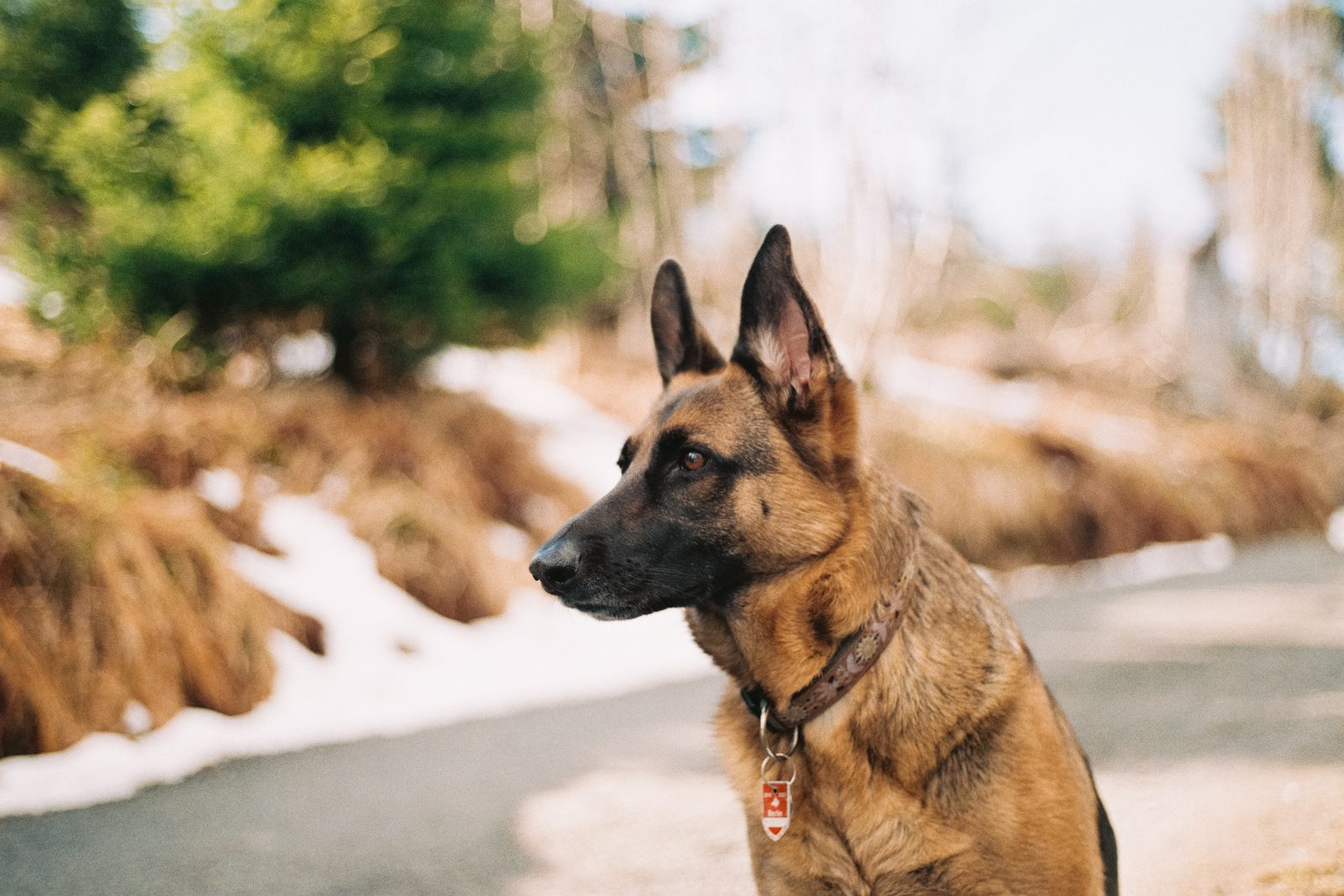
Surviving a Coat Blow
Twice a year the routine is not enough. For two to four weeks you are in a different mode, and planning for it makes it far less miserable.
Tufts start lifting away from the body, especially on the hindquarters. Switch to daily ten-minute rake sessions, outdoors if you possibly can. Bin bag beside you, not a dustpan.
The heaviest fortnight. Consider a warm bath followed by a thorough dry and rake — a bath loosens enormous amounts of undercoat, but only if the dog is fully dried and raked afterwards.
Less comes out per session. Keep going daily; the last of the dead undercoat is the stuff that mats if it stays in.
Return to two or three sessions a week. The new coat looks noticeably sleeker and lies flatter.
A warm bath with a plain dog shampoo, then a proper dry with a high-velocity dryer while raking, removes an astonishing amount of undercoat in one go — it is exactly what groomers do. If you do not own a dryer, a groomer’s “de-shed” appointment during a blow is one of the best-value services available. Never leave a double coat to air dry: damp undercoat mats and can cause skin problems.
Keeping Your House Liveable
You will never have a hair-free house with this breed. You can absolutely have a normal one.
- Brush outside — the hair never enters the house
- A vacuum with a motorised pet brush head, not just suction
- Washable throws on sofas and the car back seat
- Rubber squeegee or damp rubber glove on carpets and stairs
- Air purifier in the room the dog sleeps in
- Dryer sheets or a lint roller by the front door for clothes
- Shaving the coat — makes things worse in every way
- Daily bathing — dries the skin, increases shedding
- “Anti-shed” shampoos alone, with no brushing
- Supplements bought instead of a proper diet
- Vacuuming daily but never brushing the dog
- Banning the dog from one room and hoping
Does Diet Make a Difference?
Some, but less than the internet promises. A dog on a complete, good-quality diet with enough protein and essential fatty acids will have a healthier coat that holds its hair better than a dog on a poor one. What diet cannot do is stop a seasonal coat blow — that is hormonal and light-driven, not nutritional.
Where diet matters most is when shedding is excessive and abnormal: dull coat, flaky skin, thinning patches. That can point to a food intolerance, a fatty acid deficiency or an underlying health problem — all of which are conversations with your vet rather than experiments with supplements.
Talk to your vet first. Fish oils can interact with some medications, too much fat is a problem for dogs prone to pancreatitis, and doses that suit a small dog are not right for a 35kg Shepherd. If your dog’s coat has genuinely deteriorated, the cause is worth investigating properly — see our feeding guide for the basics of a good diet.
When Shedding Is a Health Signal
Normal shedding is even, all over, and the skin underneath looks healthy. These are the patterns that are worth a phone call rather than a rake.
- Bald patches or symmetrical thinning — especially on both flanks or the tail
- Red, flaky, greasy or smelly skin, or spots and scabs under the coat
- Constant scratching, licking or chewing at one area
- A sudden change in coat texture, colour or quantity outside the usual seasons
- Shedding with other signs — weight change, low energy, drinking more, behaviour changes
Causes range from fleas and food allergies to thyroid problems and stress. All of them are far easier to treat early, and none of them are diagnosable from a photo on the internet.
7 Mistakes (and the Fix for Each)
❌ 1. Shaving the coat in summer
It feels logical and it is genuinely harmful — you remove the insulation that keeps them cool and the guard hairs that stop sunburn.
✅ Fix: rake out the dead undercoat instead. That is what makes a dog cooler, and it is what the coat is designed for.❌ 2. Brushing only during a blow
Three weeks of frantic raking twice a year, then nothing. The coat never gets a chance to stay on top of itself.
✅ Fix: ten minutes two or three times a week, all year. It takes less total time and works far better.❌ 3. Bathing too often
Frequent shampooing strips the oils that keep skin healthy, and dry skin sheds more.
✅ Fix: bath every couple of months, or when genuinely dirty, using a mild dog shampoo — plus one strategic bath during a coat blow.❌ 4. Using a bladed de-shedder every session
Those tools cut guard hairs as well as pulling undercoat. Used weekly they leave the coat dull, thin and slow to recover.
✅ Fix: rake as the main tool; a bladed de-shedder occasionally at most, with a light touch.❌ 5. Letting the dog air dry after a bath
A wet undercoat takes many hours to dry on its own, and damp fur next to the skin is how mats and hot spots start.
✅ Fix: towel hard, then use a dryer on a cool setting while brushing until the undercoat is genuinely dry, not just the surface.❌ 6. Skipping the trousers and tail base
The densest undercoat is in the areas that are the most awkward to reach, so they are the ones that get half a stroke.
✅ Fix: do those areas first while your dog is fresh and patient, not last when they have had enough.❌ 7. Buying supplements instead of asking why
Abnormal shedding treated with oils from the internet can delay finding a real cause — parasites, allergies or a thyroid issue.
✅ Fix: normal seasonal shedding needs a rake. Abnormal shedding needs a vet.Pro Tips From Experienced Owners
🌳 Groom outside, always
Every session done in the garden is a session’s worth of hair that never enters the house. Even in winter, five minutes by the back door helps.
🧤 Keep a rubber glove by the sofa
A damp rubber glove drags embedded hair out of upholstery far better than any lint roller.
🚗 One throw lives in the car
A cheap fleece throw over the back seat, shaken out weekly, saves hours of vacuuming.
📅 Diary the blows
Note the dates each year. After two years you can predict them within a fortnight and book the groomer early.
🧺 Wash bedding weekly in season
Dog bedding holds a surprising amount of loose hair that redistributes itself every time they lie down.
🐕 Start on day one
Rake a puppy who has almost no undercoat, purely so the tool is normal by the time it matters.
You do not own a German Shepherd. You co-own a house with several kilos of hair, some of which is currently attached to a dog.
Frequently Asked Questions
Do German Shepherds shed all year round?
Yes. There is steady low-level shedding every day of the year, plus two heavier “coat blows” in spring and autumn lasting two to four weeks each. Indoor dogs under artificial light often shed more evenly across the year instead of having two dramatic peaks.
How can I reduce German Shepherd shedding?
Regular undercoat raking is by far the most effective thing — ten minutes, two or three times a week, daily during a blow. Add a good diet, occasional baths with proper drying, and washable covers on furniture. No product stops shedding; the goal is to catch the hair before it lands.
Can I shave my German Shepherd in summer?
No. The double coat insulates against heat as well as cold and protects the skin from sunburn, and shaved coats often grow back patchy or woolly. Use shade, water, cool floors and early-morning walks instead. Only shave if a vet requires it for a medical reason.
Do long-coat German Shepherds shed more?
Not necessarily more, but differently. Long coats lack some undercoat density in certain lines, and the hair they drop is longer and more visible — though it clumps and sweeps up more easily than the short needles a stock coat leaves in your sofa. Long coats need more attention to prevent matting.
Is it normal for my puppy to suddenly shed a lot?
Yes — at around four to six months the soft puppy fluff is replaced by the adult coat, and it can look alarming. If it comes with bald patches, redness or itching, that is not the puppy coat change and is worth a vet visit.
How long does a coat blow last?
Typically two to four weeks of heavy shedding, occasionally up to six. Daily raking shortens it noticeably, because you are removing dead undercoat rather than waiting for it to work its own way out.
✅ Your Shedding Checklist
- Undercoat rake as the main tool — rounded teeth, no blades
- Slicker brush and a metal comb for finishing and mat checks
- 10 minutes, 2–3× a week all year — daily during a blow
- Groom outside whenever the weather allows
- Extra strokes on the ruff, trousers, tail base and either side of the spine
- Bath every couple of months — never weekly
- Always dry the undercoat properly; never let it air dry
- Never shave the coat
- Washable throws on the sofa, the bed and the car
- Vacuum with a motorised pet head, not suction alone
- Diary the spring and autumn blow dates each year
- Bald patches, itching or smelly skin = vet, not more brushing
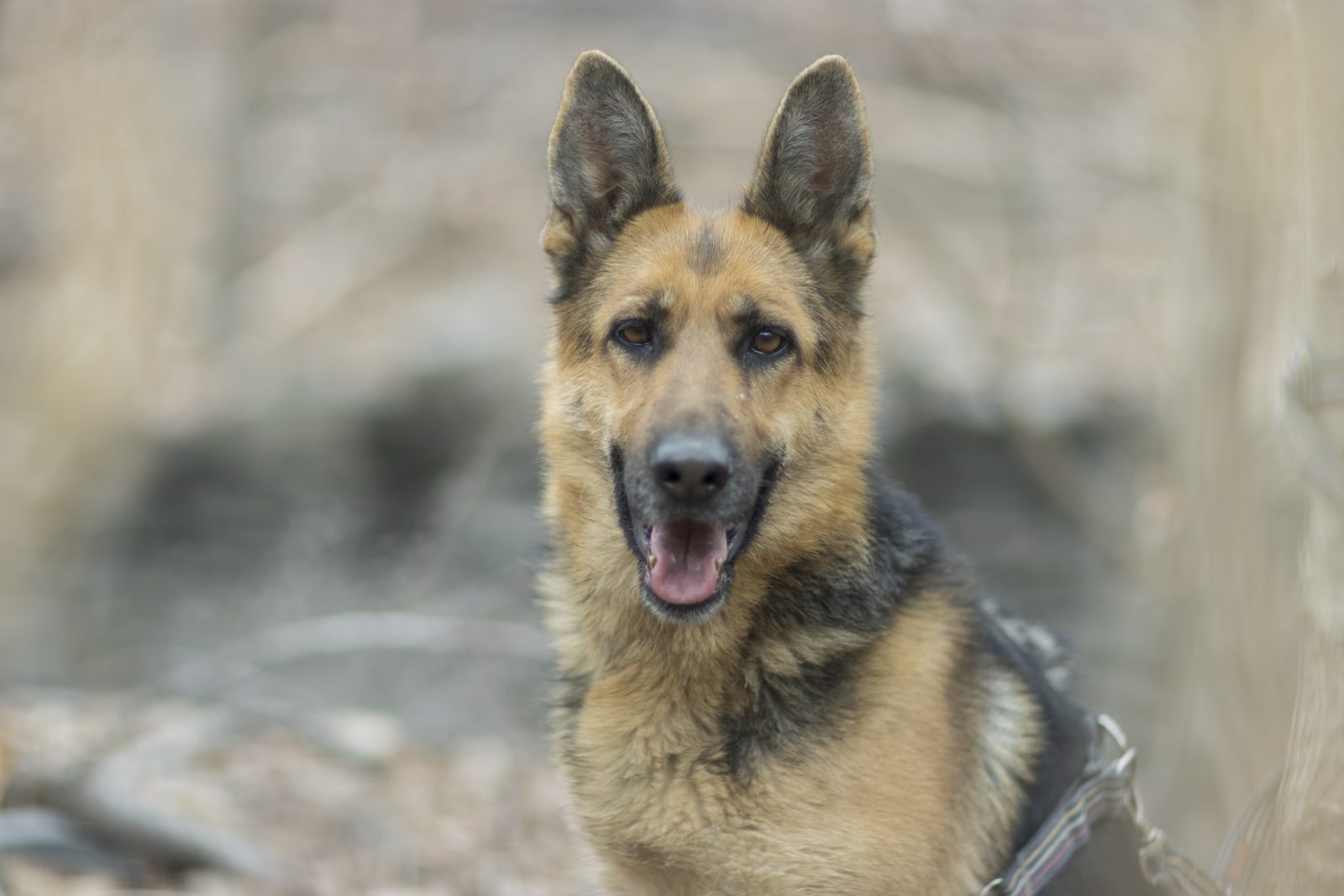
The Bottom Line
German Shepherd shedding is not a problem to solve, it is a maintenance job to schedule. The coat is going to renew itself twice a year whatever you do, and the only decision you get to make is where the old one ends up.
Buy a decent undercoat rake, do ten minutes outside a few times a week, add a bath and a proper dry during each blow, and never let anyone near your dog with clippers. Do that and the hair stops being a household crisis and becomes a slightly hairy Tuesday.
- German Shepherd grooming schedule — the weekly and monthly routine in full
- Best German Shepherd grooming tools — rakes, slickers, combs and dryers
- German Shepherd feeding guide — what a good diet does for the coat
- Free grooming tracker — never lose track of what is due
Recommended German Shepherd gear for this guide
Deshedding brush for double coats
Best for: Undercoat removal during shedding season
- Reduces loose hair
- Easy clean release
Affiliate link — we may earn a commission, at no cost to you.
Slicker brush for double coats
Best for: Daily maintenance brushing
- Self-cleaning options
- Gentle pins
Affiliate link — we may earn a commission, at no cost to you.
Gentle dog shampoo
Best for: Routine baths
- Gentle formula
- Rinses clean
Affiliate link — we may earn a commission, at no cost to you.
Go deeper
Related articles
Try a tool

Keep reading
More in Grooming & Shedding →
German Shepherd Grooming Schedule (Weekly + Monthly)
A simple, sustainable grooming schedule for a German Shepherd: brushing, baths, nails, ears, dental, parasite check, and seasonal…
Should You Shave Your German Shepherd? The Straight Answer
Why shaving a double coat makes a dog hotter rather than cooler, what happens to the coat afterwards,…
Grooming Your German Shepherd: The Complete Home Routine
The full home grooming routine: understanding the double coat, the five tools that cover everything, the ten-minute brushing…