German Shepherd Grooming Schedule (Weekly + Monthly)
A simple, sustainable grooming schedule for a German Shepherd: brushing, baths, nails, ears, dental, parasite check, and seasonal coat-blow.

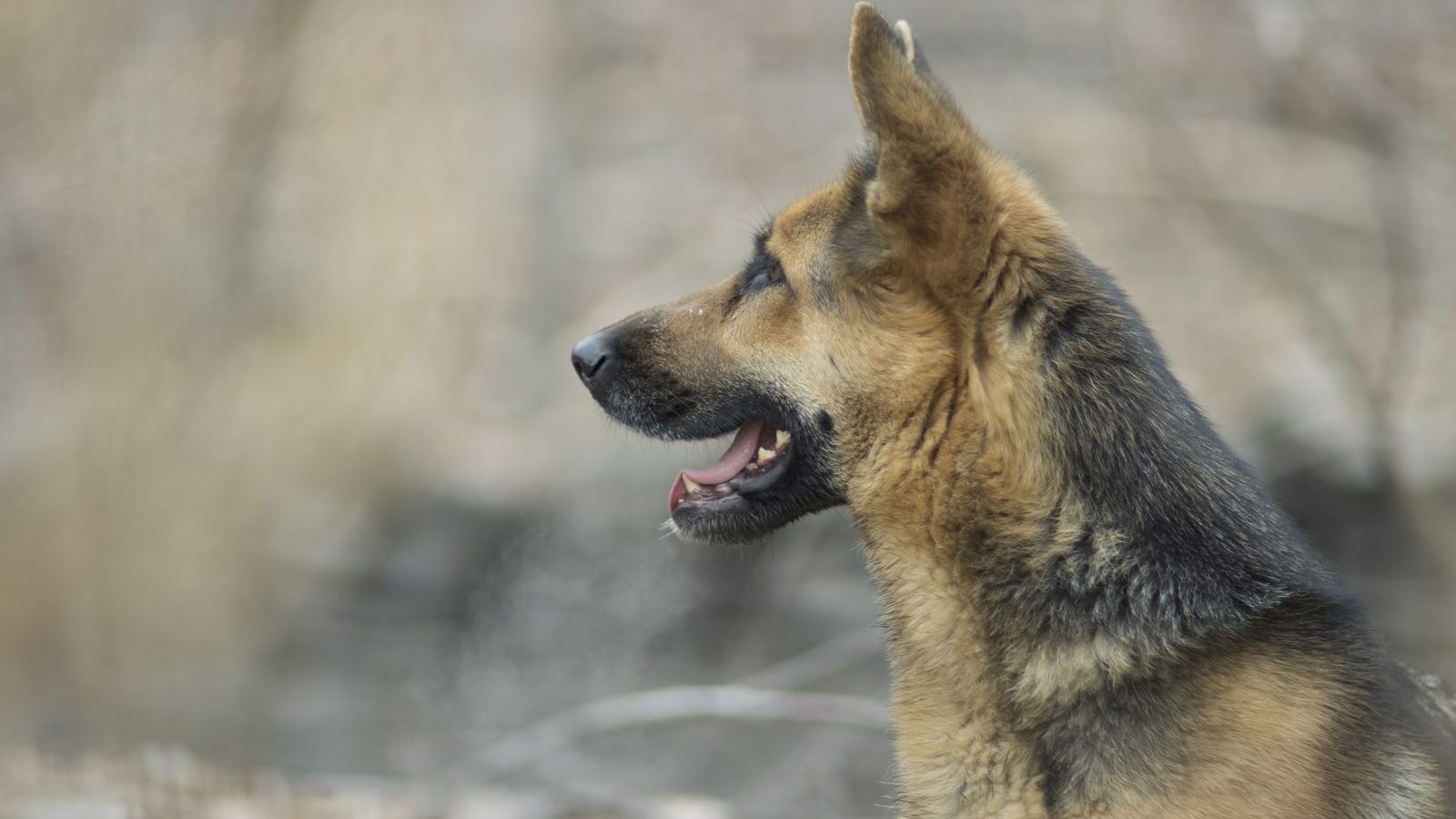
Short answer: ten minutes a few times a week, and four things on a calendar
A German Shepherd needs brushing 2–3× a week (daily during a coat blow), nails every 3–4 weeks, a weekly ear and paw check, and a bath every 8–12 weeks. Teeth are the one most owners skip and the one vets wish they wouldn’t. That is the entire schedule — no professional grooming required unless you want it.
Most grooming advice for this breed is either “brush them sometimes” or a twelve-step spa routine that nobody in a real house with a real job is ever going to follow. What you actually need is a schedule you can remember, kit that fits in one box, and a clear idea of which jobs matter and which are optional.
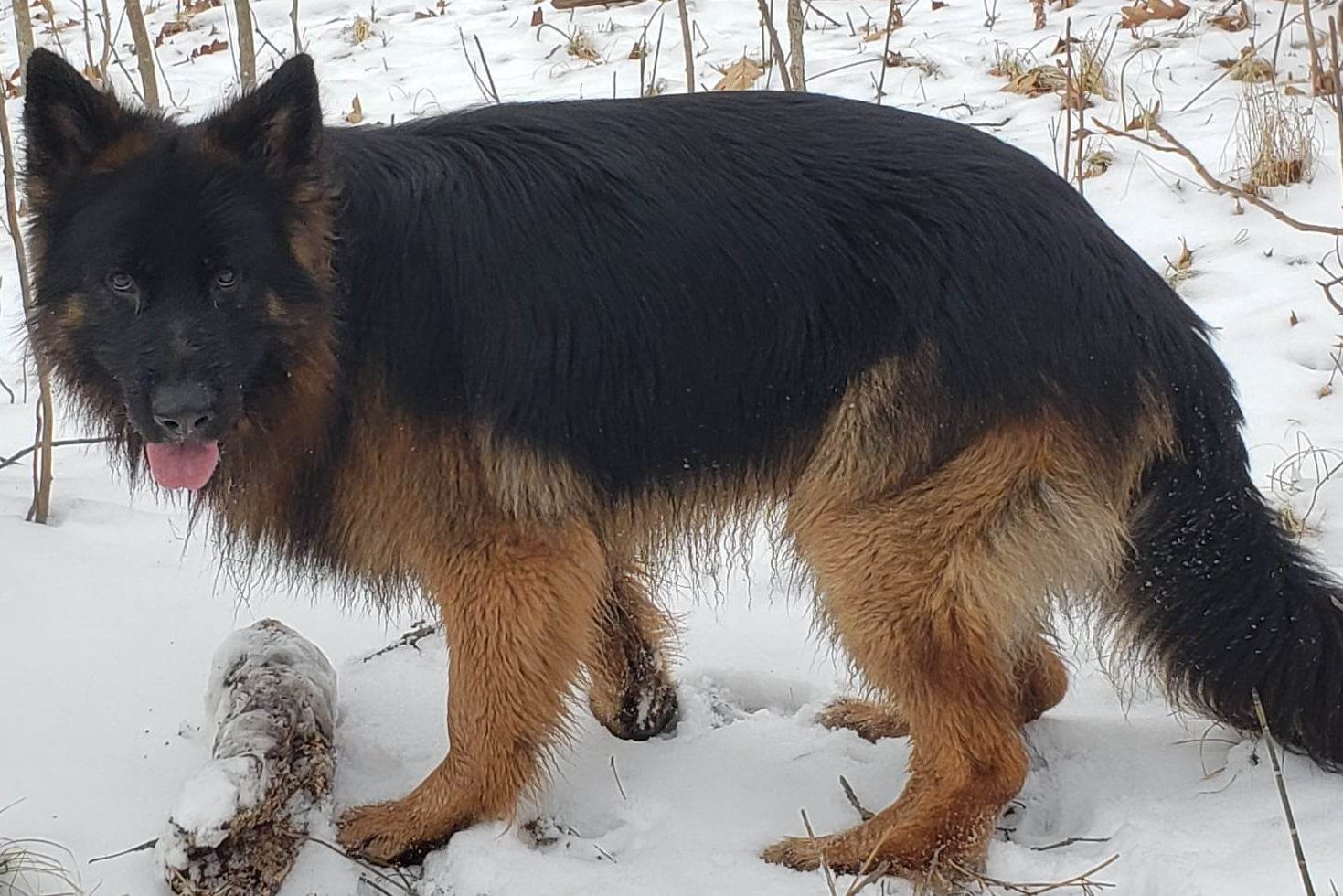
Here is the honest version. A German Shepherd is a low-maintenance dog with a high-maintenance coat. No trimming, no clipping, no styling — just hair management, plus the four small health jobs that stop bigger problems later: nails, ears, teeth and paws.
This guide lays out the weekly and monthly schedule, how to do each job properly, the kit worth owning, how to build a dog who genuinely enjoys being handled, and the things that quietly go wrong when a job is skipped for six months.
Owners of stock coat and long coat German Shepherds at any age. If you are mainly here for hair on the sofa, our shedding guide goes deeper on coat blows and de-shedding. This one is the whole routine — coat, nails, ears, teeth, paws and baths.
The Schedule at a Glance
Print this, stick it inside a cupboard door, and you will never have to think about grooming again. Everything else in this guide is just detail on how to do each row.
| How often | Job | Time it takes | Why it matters |
|---|---|---|---|
| Daily | Teeth brushed; quick paw and eye look-over after walks | 1 minute | Dental disease is the most common preventable health problem in adult dogs |
| 2–3× a week | Undercoat rake + slicker brush | 10 minutes | Removes dead undercoat before it lands on your sofa; prevents matting |
| Weekly | Ear check, nail-length check, comb the trousers and behind the ears | 3 minutes | Catches infections, mats and overgrown nails early |
| Every 3–4 weeks | Nail trim (little and often) | 5 minutes | Long nails change how a dog stands and puts strain on joints |
| Every 8–12 weeks | Bath with a proper dry | 1 hour | Cleans without stripping the coat’s natural oils |
| Twice a year | Coat blow mode: daily raking for 2–4 weeks | 10 min daily | Spring and autumn undercoat shed — see the shedding guide |
| Never | Shaving or clipping the coat | — | Destroys insulation and sun protection; often grows back patchy |
Grooming a Shepherd is not a weekend event. It is ten minutes, a few times a week, forever — and the dogs who tolerate it best are the ones who have been doing it since they were nine weeks old.
Brushing: The Ten-Minute Routine
Two tools, five zones, ten minutes. Outdoors if you can, on a hard floor if you cannot.
Comb the danger zones first
Metal comb through the ruff, behind the ears, the armpits and the trousers. You are looking for mats — small tangles that pull the skin. Tease any you find apart with your fingers before touching them with a rake.
Why it works: a rake dragged through a mat is genuinely painful, and one painful session can put a dog off grooming for months.
Rake the body in sections
Undercoat rake, short strokes, in the direction the hair grows. Neck → shoulders → back → sides → hindquarters → tail. Stay on each section until noticeably less comes out.
Why it works: the rake reaches the dead undercoat sitting under the guard hairs, which is where nearly all the loose hair in your home comes from.
Do the trousers and tail properly
The back legs and the base of the tail carry the densest coat and mat first, especially on long coats. Support the leg with one hand and work in small sections.
Why it works: these are the areas that get half a stroke when a dog is losing patience — so do them while your dog is still fresh, not at the end.
Finish with the slicker, then check the skin
A quick slicker pass lifts the loosened surface hair. While you are there, run your hands over the whole dog — lumps, scabs, ticks, sore spots, anything new.
Why it works: this weekly hands-on check is how most owners find problems early. It costs thirty seconds and it is genuinely the most valuable part of the routine.
Nails Every 3–4 Weeks
This is the job most owners dread and most dogs hate, usually because it was introduced badly. Overgrown nails are not cosmetic — they change how a dog places their foot, which loads the toes, wrists and ultimately the whole leg differently.
The test is simple: if you can hear clicking on a hard floor, they are too long. Standing normally, the nails should not touch the ground.
- Little and often — a sliver every 2–3 weeks, not a big cut every 3 months
- One nail, then a treat. Stop after three if that is all they will accept
- Cut at 45° from underneath, just beyond the curve
- A grinder (dremel) is easier to control than clippers for dark nails
- Keep styptic powder in the box — accidents happen
- Holding the dog down and doing all sixteen in one go
- Cutting deep into dark nails hoping to find the quick
- Blunt clippers that crush rather than cut
- Ignoring the dewclaws — they never wear down naturally
- Waiting until a vet visit “because they hate it”
If nails have grown very long, the quick grows with them. Trimming a small amount every week or two encourages the quick to recede over a couple of months — go slowly rather than cutting back hard, and ask your vet or groomer to do the first one if you are unsure.
Ears: Check Weekly, Clean Rarely
German Shepherds have a real advantage here: erect ears get plenty of air, so they suffer far fewer infections than drop-eared breeds. That means looking is the weekly job, and cleaning is only occasional.
A healthy ear is pale pink, barely smells, and has a little light wax. Clean only when there is visible dirt or after swimming — using a proper dog ear cleaner, squeezed in, massaged at the base, then let your dog shake and wipe the outer part with cotton wool.
A strong or yeasty smell · dark brown or black discharge · redness and heat inside the ear · head shaking or scratching at one ear · pain when you touch the base · a head tilt. Ear infections are painful and get worse quickly. Never put cotton buds down the ear canal, and do not use home remedies like vinegar or peroxide without your vet’s say-so.
A note on puppy ears
Puppy ears go up, down and sideways — often one at a time — usually settling between 8 weeks and 6 months, and teething can knock them down temporarily. Handle them gently and do not massage, tape or “help” them without talking to your vet first. Most sort themselves out.
Teeth: The Job Everyone Skips
Dental disease is one of the most common health problems in adult dogs, and it is almost entirely preventable. Thirty seconds a day with a dog toothbrush and dog toothpaste is worth more than any dental chew on the market.
Let your dog lick dog toothpaste off your finger once a day. That is the whole exercise. Never use human toothpaste — several contain xylitol, which is toxic to dogs.
Toothpaste on your finger, lift the lip, rub the outside of the big back teeth for three seconds. Treat. Done.
A long-handled dog toothbrush or a finger brush. Outside surfaces only — that is where plaque builds. Ten seconds per side.
Same time every day, usually before their evening meal so the meal is the reward. Add a vet check of the teeth at every annual appointment.
Chews help but do not replace brushing. Avoid anything you cannot dent with a thumbnail — antlers, hard nylon bones and cooked bones are a common cause of fractured teeth in large breeds. Ask your vet which dental products they actually rate.
Bathing and Drying Properly
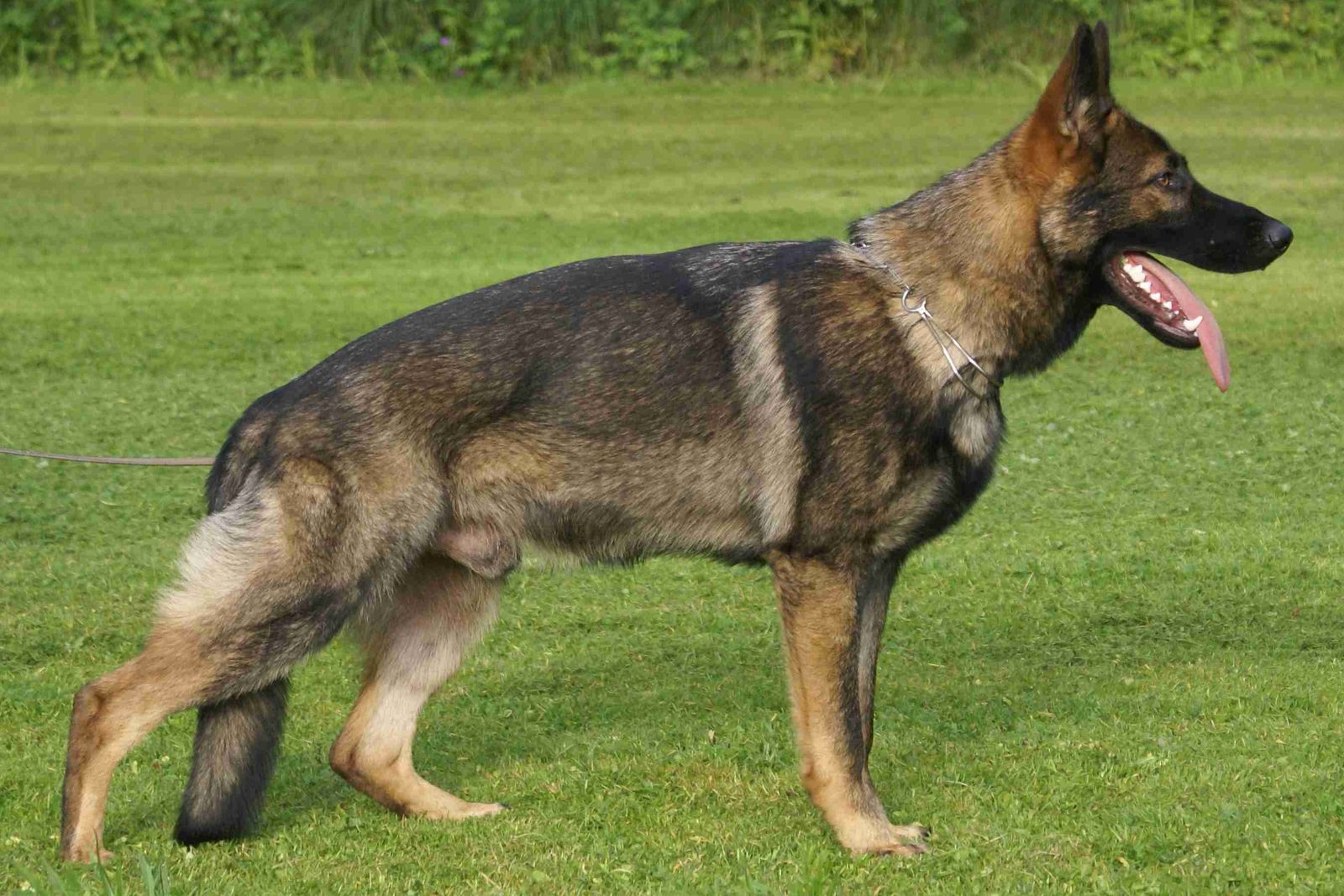
Every 8 to 12 weeks is plenty for most Shepherds, plus the occasional emergency after a swim in something unspeakable. Over-bathing strips the oils that keep skin healthy and usually makes shedding worse.
- Brush first. Bathing a coat full of loose undercoat creates a felted mess. Rake thoroughly before any water.
- Lukewarm water, dog shampoo. Human shampoo has the wrong pH for dog skin. Work it right down to the skin — the coat repels water, so it takes longer than you think.
- Rinse twice as long as you shampooed. Leftover product is a leading cause of itching after a bath.
- Towel hard, then dry properly. A dog dryer on a cool setting, or a hairdryer on cool held well back, while you brush. Never leave the undercoat damp.
- Rake again once dry. A bath loosens a huge amount of undercoat — this is the moment to collect it.
A double coat can stay wet next to the skin for many hours. That warm, damp layer is how hot spots (painful, fast-spreading skin infections) start. If you are not going to dry your dog properly, wait for a day when you can.
Paws, Eyes and the Sanitary Area
Paws
After walks, glance between the toes — grass seeds, grit, salt in winter and small cuts all hide there. Long tufts of hair between the pads can be trimmed level with the pad using blunt-nosed scissors; it stops mud balls forming and improves grip on hard floors. Check pads for cracks in summer heat and winter salt.
Eyes
Clear and bright, with maybe a little clear discharge in the corners after sleep. Wipe with damp cotton wool, one piece per eye, away from the nose. Green or yellow discharge, squinting, cloudiness or redness is a vet call, not a wipe.
The sanitary area
Long coats especially can carry mess in the feathering under the tail. A careful tidy with blunt scissors — or a groomer’s sanitary trim twice a year — keeps things clean. This is the one bit of trimming that is genuinely worth doing on this breed.
Building a Dog Who Enjoys Grooming
A 40kg dog who hates having their feet touched is a serious practical problem — for you, for your vet and for anyone who ever needs to treat an injury. The work to prevent that takes about a minute a day for a few weeks.
Work one body part at a time. Touch, treat, stop — while your dog is still relaxed. Ears today, paws tomorrow, mouth the day after. Then build to holding for three seconds, then five, then adding the tool without using it. Always finish before your dog wants to leave.
If your dog is already worried, stop trying to get through the job and go back to plain touching for a fortnight. Forcing it turns worry into avoidance, and avoidance into growling. For a dog who has already got there, a certified reward-based trainer or a fear-free groomer is a much better investment than a stronger grip.
The Kit That Covers Everything
We recommend product types and the features that matter rather than sponsored placements, and we link to live Amazon results instead of quoting prices that go stale. As an Amazon Associate we may earn from qualifying purchases — at no extra cost to you.
A complete German Shepherd grooming kit
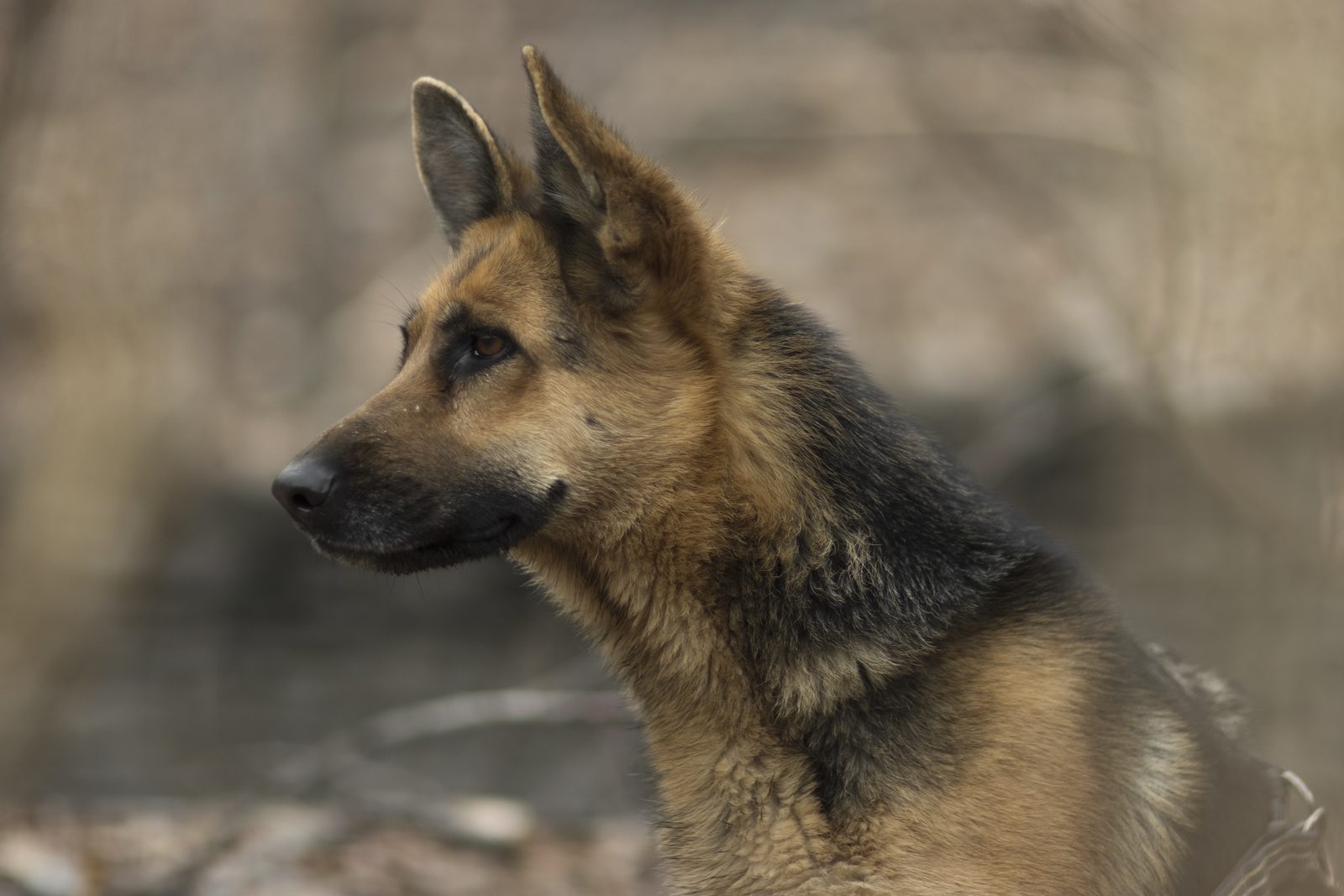
You do not need a cupboard full of gadgets. An undercoat rake, a slicker brush, a metal comb, a nail grinder and a dog toothbrush cover every job in this guide for the life of the dog — and they all fit in one small box by the back door.
- Covers coat, mats, nails and teeth with no overlap
- One-off purchase — no refills, no consumables
- Keep it by the back door so sessions happen outside
- Add styptic powder and dog toothpaste to the same box
Good to know: buy the rake and comb separately if a kit skimps on them — those two do most of the work. Introduce a nail grinder with the motor running but not touching, paired with treats, for several days before you use it.
| Item | What to look for | Find it |
|---|---|---|
| Undercoat rake | Rounded tips, double row, comfortable grip | See options → |
| Slicker brush | Coated pin tips, self-cleaning button is a bonus | See options → |
| Nail grinder | Quiet motor, two speeds, decent battery life | See options → |
| Dog toothbrush + paste | Long handle, dog-safe paste — never human toothpaste | See options → |
| Dog dryer | Force dryer with variable speed and a cool setting | See options → |
Our grooming tools guide compares specific types in more detail, and the free grooming tracker keeps the dates for you.
7 Mistakes (and the Fix for Each)
❌ 1. Grooming only when the dog looks scruffy
By the time a double coat looks bad, there are usually mats forming underneath where you cannot see them.
✅ Fix: a fixed routine — same days each week — regardless of how the coat looks.❌ 2. Marathon sessions
Forty-five minutes of brushing teaches your dog that the rake means a long, boring ordeal.
✅ Fix: ten minutes, ended early and on a good note. Two short sessions beat one long one every time.❌ 3. Leaving nails until they click
Long nails change the angle of the toes and put strain up the leg — and the quick grows longer, making it harder to fix.
✅ Fix: a sliver off every two to three weeks. Set a repeating reminder on your phone.❌ 4. Cotton buds in the ears
They push debris deeper and can damage the ear canal. Erect ears rarely need much cleaning anyway.
✅ Fix: proper dog ear cleaner, massage the base, let the dog shake, wipe only what you can see.❌ 5. Skipping teeth entirely
It is the single most commonly neglected job and the one that leads to extractions under anaesthetic later in life.
✅ Fix: thirty seconds a day, outside surfaces only, at the same time every evening.❌ 6. Bathing every couple of weeks
It strips the coat’s oils and dries the skin, which usually increases shedding and itching.
✅ Fix: every 8–12 weeks unless genuinely filthy — and always dry the undercoat fully.❌ 7. Forcing a worried dog
Holding a struggling dog still gets the job done today and makes every future session harder.
✅ Fix: go back to touch-and-treat for a fortnight, then rebuild. Get help early rather than after the first growl.Pro Tips From Experienced Owners
🧴 Lick mat on the wall
A lick mat stuck to the bathroom tiles turns nail trims and baths from a wrestle into a snack.
📦 One box by the back door
If the kit is in a cupboard upstairs, the session will not happen. Keep it where the dog gets groomed.
🗓️ Pair jobs with habits
Teeth before the evening meal, nails on the first Sunday of the month. Habits beat willpower.
🤲 Groom in the same spot
Same patio, same mat, same order of body parts. Predictability makes a big dog stand still.
✂️ Learn one groomer skill
Trimming the hair between the pads is easy, safe with blunt scissors, and makes a real difference on hard floors.
📸 Photograph the coat monthly
Gradual changes in thickness or shine are invisible day to day and obvious in photos six months apart.
Frequently Asked Questions
How often should I brush my German Shepherd?
Two to three times a week normally, and daily during the spring and autumn coat blows. Long coats benefit from a quick daily comb of the feathering behind the ears and on the trousers, where mats form first.
Do German Shepherds need professional grooming?
No — there is no trimming or styling involved in this breed. Many owners book a groomer once or twice a year for a bath-and-blow-dry during a coat blow, purely because a force dryer removes an enormous amount of undercoat in one session. That is a convenience, not a requirement.
How often can I bathe my German Shepherd?
Every 8–12 weeks suits most dogs, plus emergencies. More often than every four weeks risks drying the skin. Always brush before, rinse thoroughly, and dry the undercoat properly afterwards.
When should I start grooming a puppy?
The week they come home. There is almost no coat to remove at nine weeks, so the point is purely to make the tools, the position and the handling completely normal before it ever matters.
My dog hates having their nails done — what now?
Stop doing nails for two weeks and just touch paws and pay. Then hold a paw for three seconds and pay. Then bring out the clippers without using them. Rebuild over a few weeks, one nail per session if needed. In the meantime, ask your vet nurse or a fear-free groomer to keep them short.
What is the one job I should never skip?
Teeth, closely followed by nails. Coat neglect is uncomfortable and messy; dental disease and overgrown nails cause real, lasting pain — and both are almost entirely preventable with a minute a day.
✅ Your Grooming Checklist
- Daily: teeth for 30 seconds; quick paw and eye glance after walks
- 2–3× a week: undercoat rake + slicker, ten minutes, outdoors
- Weekly: ear look, nail-length check, comb the mat zones
- Every 3–4 weeks: nails — a sliver, little and often
- Every 8–12 weeks: bath, rinsed twice as long as shampooed
- Always: dry the undercoat fully — never air dry
- Twice a year: daily raking through the coat blow
- Comb before you rake, every time
- Hands over the whole dog weekly — lumps, scabs, ticks, sore spots
- Handling practice: one body part, touch, treat, stop
- Kit in one box by the back door
- Never shave the coat; never use human toothpaste
The Bottom Line
German Shepherd grooming is not complicated, it is just relentless. Ten minutes with a rake a few times a week, a nail trim once a month, a weekly look in the ears and thirty seconds on the teeth each evening — that is a fully maintained dog, and none of it needs a professional.
The dogs who make this easy are the ones whose owners started at nine weeks, kept every session short, and paid well. Start there, keep the box by the back door, and grooming becomes ten quiet minutes with your dog rather than a job you keep putting off.
- German Shepherd shedding guide — coat blows and how to survive them
- Best German Shepherd grooming tools — rakes, slickers, grinders and dryers
- Senior German Shepherd care — how the routine changes with age
- Free grooming tracker — dates, reminders and history in one place
Recommended German Shepherd gear for this guide
Slicker brush for double coats
Best for: Daily maintenance brushing
- Self-cleaning options
- Gentle pins
Affiliate link — we may earn a commission, at no cost to you.
Quiet nail grinder
Best for: Smooth nail maintenance
- Quiet motor
- Multiple speeds
Affiliate link — we may earn a commission, at no cost to you.
Gentle dog shampoo
Best for: Routine baths
- Gentle formula
- Rinses clean
Affiliate link — we may earn a commission, at no cost to you.
Go deeper

Keep reading
More in Grooming & Shedding →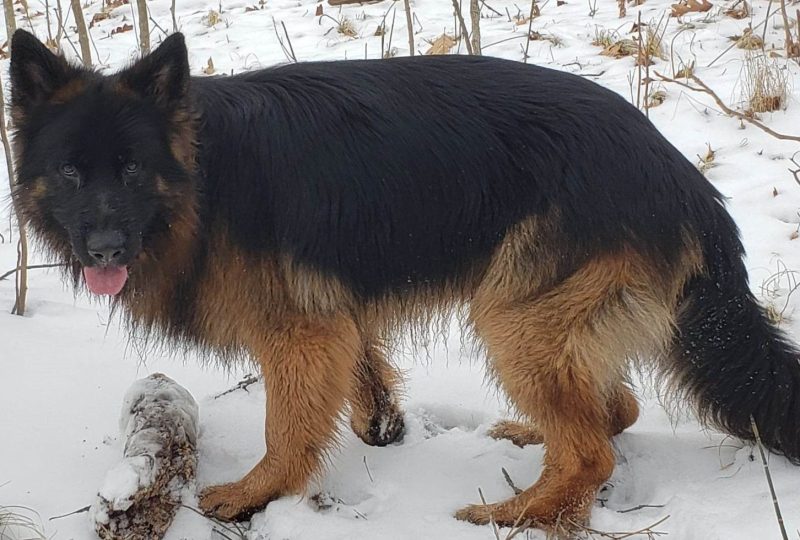
German Shepherd Shedding Guide: How Much, When, and What to Do
German Shepherds shed daily and blow coat twice a year. Here's what to expect and the brush routine…
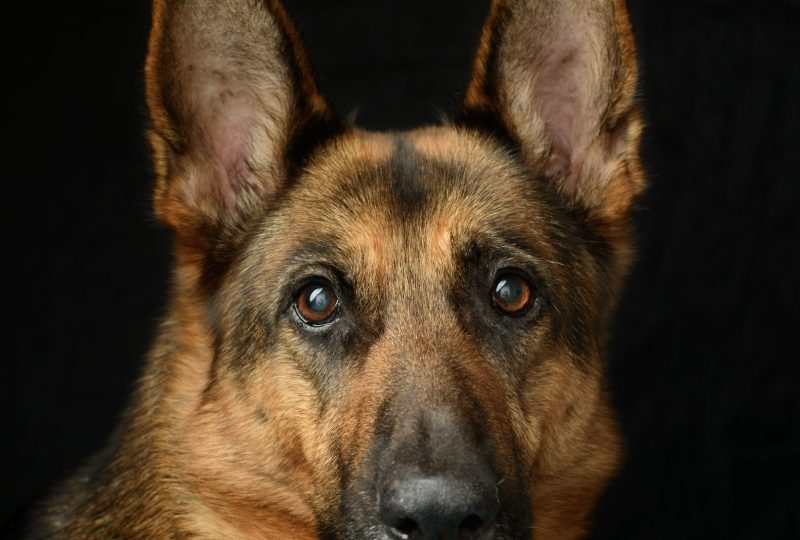
Senior German Shepherd Care: Comfort, Mobility, Daily Setup
Practical changes that keep a senior German Shepherd comfortable — bedding, traction, routine adjustments, and when to call…
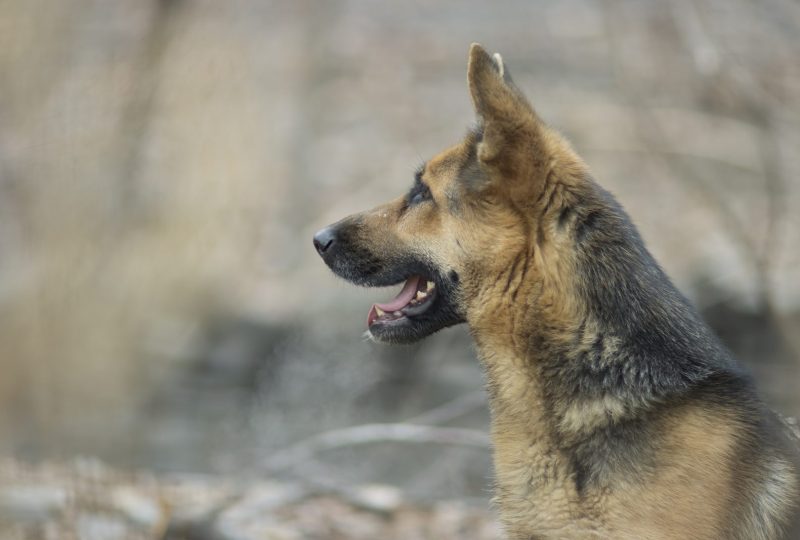
Should You Shave Your German Shepherd? The Straight Answer
Why shaving a double coat makes a dog hotter rather than cooler, what happens to the coat afterwards,…