The Most Popular Dog Breeds and Where the German Shepherd Ranks
Which breeds top the rankings and why, where the German Shepherd sits after a century in the top ten, what registration figures really measure, and why a popularity surge is a warning rather than a recommendation.

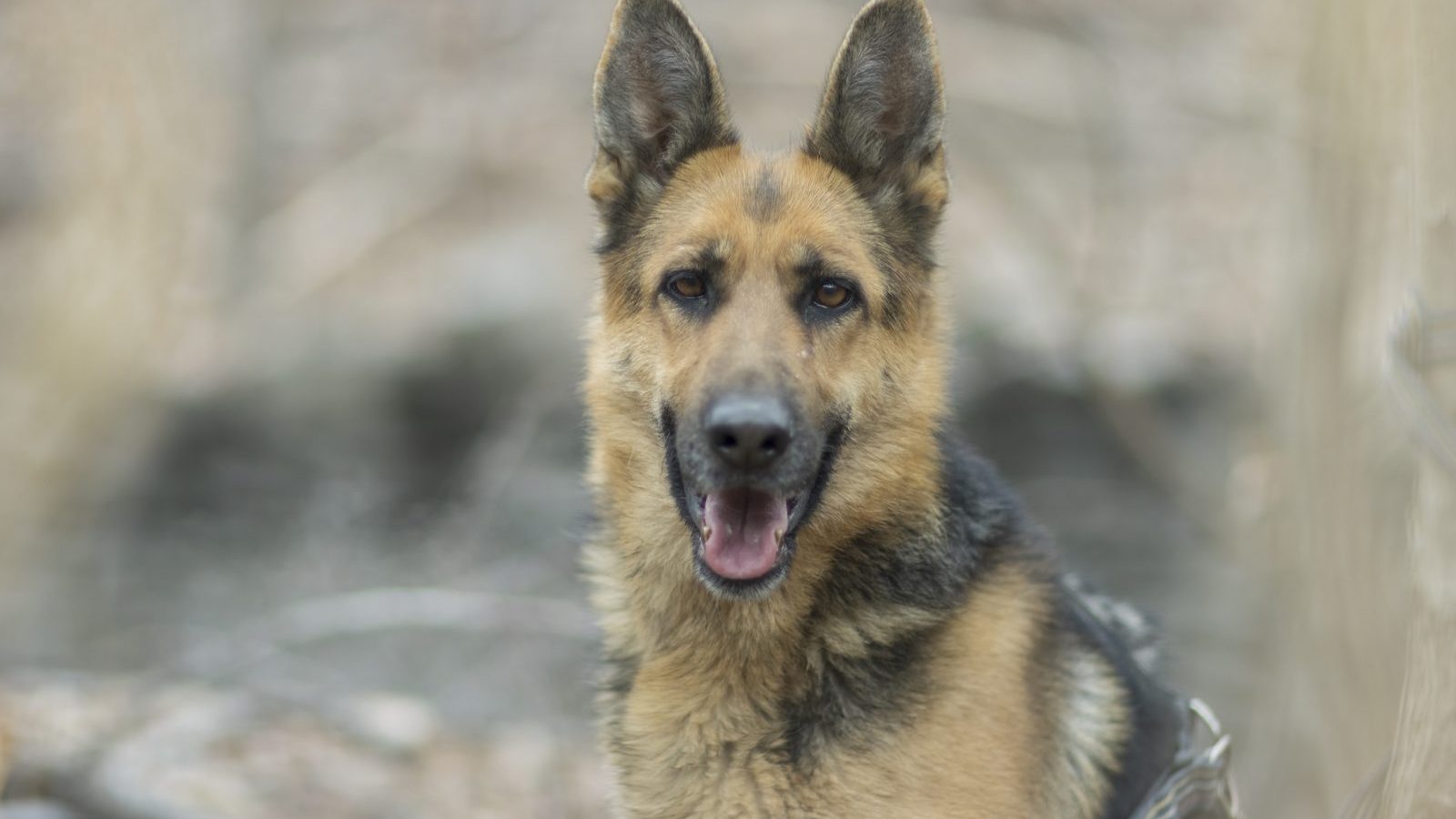
Short answer: the German Shepherd has been in the world’s top ten for a century
Registration figures move around by country and by year, but the pattern is remarkably stable: Labradors, Retrievers, French Bulldogs, German Shepherds and Poodles dominate almost every national list. The German Shepherd has held a top-ten place in most Western countries for decades — and the more interesting question is why certain breeds surge, because popularity is rarely good news for a breed.
Every year a kennel club publishes its registration figures, a few newspapers run the story, and everybody argues about it in the comments. It is genuinely interesting data — but it measures something narrower than most people assume, and reading it properly tells you a lot about how dog ownership is changing.
More useful still: popularity is a warning as much as a recommendation. Every breed that has surged up these rankings has been followed by a wave of careless breeding, and the German Shepherd has been through that cycle several times since Rin Tin Tin.
This guide covers which breeds top the lists and why, where the German Shepherd sits and how that has changed, what registration figures actually measure, the surges that damaged breeds, and how to use popularity data sensibly when choosing a dog.
Rankings differ between countries and between organisations, and they change year to year. This guide describes the consistent patterns rather than quoting figures that go out of date. For your own country’s current list, check your national kennel club directly.
The Breeds That Top Almost Every List
Across Britain, the United States, Canada, Australia and much of Europe, the same names recur at the top. The order changes; the cast does not.
| Breed | Why it is popular | What the lists do not tell you |
|---|---|---|
| Labrador Retriever | Friendly, trainable, good with children, adaptable | Food-obsessed and prone to weight gain; needs more exercise than people assume |
| French Bulldog | Small, characterful, city-friendly, extremely photogenic | Serious breathing, spinal and eye problems in many lines — the fastest-rising breed of the last decade |
| Golden Retriever | Gentle, biddable, superb family dog | Heavy shedding and a notable cancer risk in some lines |
| German Shepherd | Intelligent, loyal, versatile, striking | Demanding. Needs a job, sheds constantly, adolescence to 18 months |
| Poodle (all sizes) | Clever, low-shedding, huge size range | Serious grooming commitment — professional appointments every few weeks |
| Bulldog | Distinctive, calm, comic | Significant health concerns linked to conformation |
| Dachshund | Small, bold, full of personality | High risk of disc disease — no stairs, no jumping, keep them lean |
| Cocker/Spaniel types | Affectionate, energetic, family-friendly | Need real exercise and enrichment; ears and coats need attention |
| Crossbreeds (Doodles etc.) | Marketed as low-shedding and family friendly | Often not registered, so under-counted; grooming needs frequently underestimated |
Notice the pattern: nearly every breed at the top is there because it is adaptable, trainable and good with families. The exceptions are the ones that rose on appearance — and those are precisely the breeds where welfare organisations have raised concerns.
Where the German Shepherd Ranks
Consistently top ten in most Western countries, and frequently top five. That is a remarkable run for a breed that did not exist before 1899.
Founded by Max von Stephanitz and promoted into police work. The First World War introduced the breed to soldiers from other countries, who took dogs home with them.
Strongheart and Rin Tin Tin turned the breed into a global star. Registrations soared — and so did indiscriminate breeding.
Police, military and guide dog work cemented the breed’s image as the capable, serious dog. Popularity stayed high in most countries.
Consistently near the top of the lists, while working and show lines diverged and the “sloping back” argument began.
Still top ten almost everywhere, though smaller flat-faced breeds have overtaken it in some urban markets. Steady popularity is arguably healthier for a breed than a surge.
The full story of how the breed got here is in our history of the German Shepherd Dog.
What Registration Figures Actually Measure
This is where most articles about “the most popular breeds” go wrong. Kennel club rankings measure pedigree registrations — not the dog population.
- Unregistered purebreds are invisible. Plenty of puppies from casual litters never appear in any figure.
- Crossbreeds are largely excluded. Doodles, Cockapoos and the rest are enormously popular and mostly unregistered, so official lists understate them dramatically.
- Rescue dogs are not counted. A large share of the actual dog population arrives through rescue rather than a breeder.
- Imports complicate everything. Some countries import very large numbers of puppies, which may or may not show in national figures.
- Different bodies, different methods. Insurance data, microchip databases and kennel clubs all produce different “most popular” lists for the same country.
So the honest reading is: rankings are a good guide to trends and direction of travel among registered pedigree dogs, and an imperfect guide to what is actually walking down your street.
Why Certain Breeds Surge
| Driver | How it works | Classic example |
|---|---|---|
| Film and television | A breed appears, everyone wants one, breeders scramble to supply | Rin Tin Tin for German Shepherds; a well-documented pattern for several breeds since |
| Celebrity ownership | Visibility plus aspiration, amplified by social media | The rise of small flat-faced breeds in the last decade |
| Urban living | Smaller homes favour smaller dogs | The long-term drift towards compact breeds in cities |
| Marketing claims | “Hypoallergenic” and “low-shedding” sell, whether or not they are accurate | The doodle boom |
| Working reputation | Capability makes a breed aspirational | The German Shepherd’s police and military association |
| Social media aesthetics | Photogenic dogs get shared, shared dogs get bought | Breeds that photograph well rising far faster than breeds that live well |
The Dark Side of Popularity
This is the part worth taking seriously, because it is the reason a top-ten ranking should make you more careful rather than more confident.
- Puppy farms and imported puppies meeting the demand
- Breeding from untested parents because puppies sell anyway
- Temperament and health taking second place to volume
- Prices that attract people in it for the money
- Rescue centres full of the same breed two years later
- Exaggerated features rewarded because they photograph well
- Breeders who health test regardless of demand
- Buyers who ask for hip, elbow and DNA results
- Waiting lists instead of instant availability
- Breed clubs that promote moderation over extremes
- People choosing on temperament and lifestyle fit
- Rescue considered as a serious first option
The German Shepherd has lived through this cycle repeatedly, and the breed carries the marks of it — inconsistent temperament in poorly bred lines, and a level of hip and elbow dysplasia that responsible breeders have spent decades working to reduce.
Whatever breed you are considering, ask the breeder: “What health tests have both parents had, and can I see the certificates?” For a German Shepherd that means hip and elbow scores at minimum. A breeder who cannot produce paperwork, or who tells you testing is unnecessary, is exactly the kind of breeder a popularity surge creates.
How Lists Differ by Country
National differences are genuinely interesting and reflect housing, climate and culture more than anything about the dogs.
- Britain — Labradors and French Bulldogs have dominated recently, with spaniels and Dachshunds high. The German Shepherd remains a strong presence but well below its mid-century peak.
- United States — Labradors held the top spot for decades before the French Bulldog surge; German Shepherds have been a fixture in the top five for a very long time.
- Germany — unsurprisingly, the German Shepherd remains prominent, alongside other native working breeds.
- Australia — retrievers and working breeds do well, reflecting more space and outdoor living.
- Urban Asia — small companion breeds dominate, driven by apartment living and building rules.
The common thread: as housing gets smaller and denser, dogs get smaller. Which is worth knowing if you are in a flat and considering a large breed — it is entirely doable, as our apartment guide explains, but you are going against the grain of how most people manage it.
What the Rankings Look Like in Rescue
There is a second, less cheerful league table that almost nobody publishes: the breeds most commonly waiting in rescue centres. It tends to lag the popularity rankings by about two years, and it is made up of the same names.
The pattern is consistent. A breed surges, supply floods in to meet demand, thousands of people buy a dog whose needs they had not researched, and the adolescent stage arrives at around eight to eighteen months. German Shepherds turn up in rescue for exactly the reasons this site keeps repeating — under-exercised, under-stimulated, mouthy teenagers whose owners expected a film dog and got a working breed with opinions.
Which is worth knowing for two reasons. First, it is a warning about buying into a fashionable breed without doing the homework. Second, it is a genuine opportunity: breed rescues are full of perfectly nice dogs whose only problem was a mismatch. An adult whose size, coat and temperament you can see in advance removes most of the guesswork that makes choosing a puppy such a gamble.
How to Use Popularity Data Sensibly
Treat it as a description, not a recommendation
A breed is popular because it suits a lot of people. That says nothing about whether it suits your hours, your home or your energy levels.
Why it works: the most common cause of a dog being rehomed is a mismatch between the dog’s needs and the owner’s life — not a bad dog.
Read a fast riser as a caution
A breed climbing quickly is a breed where demand is outstripping responsible supply. That is when puppy farms and imports move in.
Why it works: it tells you to be far more careful about sourcing, and to expect a longer wait from a good breeder.
Look up the breed’s health issues before the personality
Every popular breed has a known list. Read it, and find out what testing responsible breeders do about it.
Why it works: it turns a vague warm feeling into concrete questions you can ask.
Then ignore the rankings entirely
Choose on time, energy, grooming, health outlook and source. Popularity should not appear in your decision at all.
Why it works: your dog will never know they were fashionable, and neither will you after the first week.
Breeds Worth a Look That Rarely Top Lists
If a German Shepherd is more dog than your week can absorb, several less fashionable breeds offer some of the same qualities with different demands. Always research individually, and meet adults of the breed before deciding.
🐕 Greyhound
Astonishingly calm indoors, short coat, minimal grooming. Sprints briefly then sleeps for hours. Rescue availability is excellent.
🐕 Whippet
The same in a smaller package. Gentle, quiet, very little coat — but they feel the cold and need secure fencing.
🐕 Standard Schnauzer
Clever, watchful and low-shedding, with much of a Shepherd’s alertness in a more compact dog. Grooming is a commitment.
🐕 Crossbreeds from rescue
Adult dogs whose size, coat and temperament you can see before you commit — which removes most of the guesswork.
If You Do Choose a German Shepherd
We recommend product types and the features that matter rather than sponsored placements, and we link to live Amazon results instead of quoting prices that go stale. As an Amazon Associate we may earn from qualifying purchases — at no extra cost to you.
A 42-inch crate with a divider
Whatever popular large breed you choose, this is the purchase that earns its keep from week one to old age. Buy the adult size immediately and use the divider while your puppy is small — it speeds up toilet training, protects sleep, and gives you a safe travel and recovery space for the next decade.
- One purchase covers the whole life of the dog
- Makes toilet training dramatically faster
- Invaluable for vet recovery, travel and house moves
- Folds flat when you do not need it
Good to know: keep the crate in the family room rather than a utility room, and never use it as punishment. Our crate training guide has the seven-day introduction.
| Item | Why | Find it |
|---|---|---|
| Y-shaped harness | Comfortable control for a strong breed | See options → |
| Undercoat rake | Most popular breeds shed; this one especially | See options → |
| Stuffable rubber chew | Survives teething and buys you quiet evenings | Check price → |
| Long line 10m | Safe freedom while recall is a work in progress | See options → |
| Enzyme cleaner | Every puppy of every breed, without exception | See options → |
7 Mistakes (and the Fix for Each)
❌ 1. Reading popularity as suitability
“Number one breed in the country” tells you nothing about whether it fits your week.
✅ Fix: choose on hours alone, daily activity, grooming and health outlook. Popularity is trivia.❌ 2. Buying into a fast-rising breed
Rapid demand is exactly when puppy farms and imports flood the market.
✅ Fix: expect to wait for a good breeder. Instant availability of a fashionable puppy is a warning sign.❌ 3. Assuming popular means healthy
Several of the most popular breeds have significant conformation-related health problems.
✅ Fix: look up the breed’s known issues and the tests responsible breeders do, before you fall in love.❌ 4. Believing “hypoallergenic”
No dog is genuinely hypoallergenic. Low-shedding is not the same as allergen-free, and many low-shedding coats need constant professional grooming.
✅ Fix: spend real time with the breed if allergies are a factor, and price up the grooming.❌ 5. Ignoring rescue because of the rankings
Popular breeds fill rescue centres two years after every surge — including German Shepherds.
✅ Fix: talk to a breed rescue. You can meet an adult whose temperament is already visible.❌ 6. Choosing a large breed for a small life
A German Shepherd in a household with twenty minutes a day is unhappy, and it usually shows up as “behaviour problems”.
✅ Fix: match the dog to your average week over the last year, not the week you intend to have.❌ 7. Treating rankings as fact
They measure pedigree registrations, which miss crossbreeds, rescues and unregistered dogs entirely.
✅ Fix: read them as trends among registered dogs, nothing more.
Frequently Asked Questions
What is the most popular dog breed in the world?
There is no single global ranking, but Labrador Retrievers, French Bulldogs, Golden Retrievers, German Shepherds and Poodles appear at or near the top of most national lists. Order varies by country and shifts year to year.
Where does the German Shepherd rank?
Consistently in the top ten across most Western countries, and often in the top five — a position it has held for the better part of a century, which is unusual longevity for any breed.
Are popular breeds better dogs?
No. Popularity reflects how well a breed suits a lot of households, plus fashion and visibility. Several very popular breeds have significant health problems, and several excellent breeds rarely appear on the lists at all.
Why did French Bulldogs become so popular?
Small size suiting urban living, enormous social media and celebrity visibility, and a face that triggers a strong caregiving response. The surge has been accompanied by serious concerns from vets and welfare organisations about breathing, spinal and eye problems.
Is the German Shepherd becoming less popular?
In some countries it has slipped down the rankings as smaller breeds have risen, particularly in cities. It remains one of the most widely owned and most widely worked breeds in the world — and steady popularity is generally healthier for a breed than a spike.
Should popularity influence my choice at all?
Only as a caution. If a breed is surging, be extra careful about where your puppy comes from and expect to wait for a responsible breeder. Otherwise, choose on lifestyle fit, health outlook and temperament — and ignore the league table entirely.
✅ Using the Rankings Properly
- Remember they measure pedigree registrations, not the dog population
- Crossbreeds and rescues are largely missing from the data
- A fast-rising breed is a reason for more caution, not less
- Look up the breed’s known health problems first
- Ask every breeder for health test certificates
- Expect a waiting list from a responsible breeder
- Consider breed rescue as a genuine first option
- Choose on hours alone, activity, grooming, budget
- Meet adults of the breed, not just puppies
- Be honest about your average week, not your best one
- Never pay a premium for a “rare” colour
- Then forget the rankings entirely
The Bottom Line
The German Shepherd has spent a century near the top of the world’s most popular breeds, which says a great deal about how capable and adaptable the breed is — and nothing at all about whether one belongs in your house.
Read the rankings as a story about people rather than dogs. Then close the tab, work out how many hours your dog would be alone, how much walking you genuinely do, and how much hair you can live with. That answer is worth more than every league table published this year.
- Introducing the German Shepherd — the honest breed profile
- The most adorable dog breeds — and why cute is a poor filter
- Where to get your German Shepherd — breeder, rescue or rehome
- The history of the German Shepherd — how it got so popular
Recommended German Shepherd gear for this guide
Waterproof car seat cover (hammock)
Best for: Protecting back seats on trips
- Waterproof
- Side flaps
Affiliate link — we may earn a commission, at no cost to you.
Heavy-duty puzzle feeder
Best for: Mental stimulation and slow feeding
- Builds focus
- Slows fast eaters
Affiliate link — we may earn a commission, at no cost to you.
Padded training leash 6ft
Best for: Daily walking and city control
- Padded handle
- Strong hardware
Affiliate link — we may earn a commission, at no cost to you.

Keep reading
More in Lifestyle & Travel →
Best Dog Jokes and Funny Dog Stories
Eighty dog jokes and puns, German Shepherd humour only owners get, the funny stories every household recognises, jokes…
The White Shepherd: Breed, Colour Genetics and How They Differ
What causes the white coat, why white shepherds are not albino and not prone to deafness, the 1933…
The Dog Breeds Closest to Wolves (What the DNA Actually Shows)
What genetic closeness to wolves really measures, the eight breeds in the ancient cluster, why the wolf-like German…