Where Dog Breeds Came From: A Plain English History
From wolves to dogs, landraces shaped by work, the Victorian invention of breeds and closed studbooks, where the breed groups come from, the health consequences we live with, and what it all means when choosing a puppy.

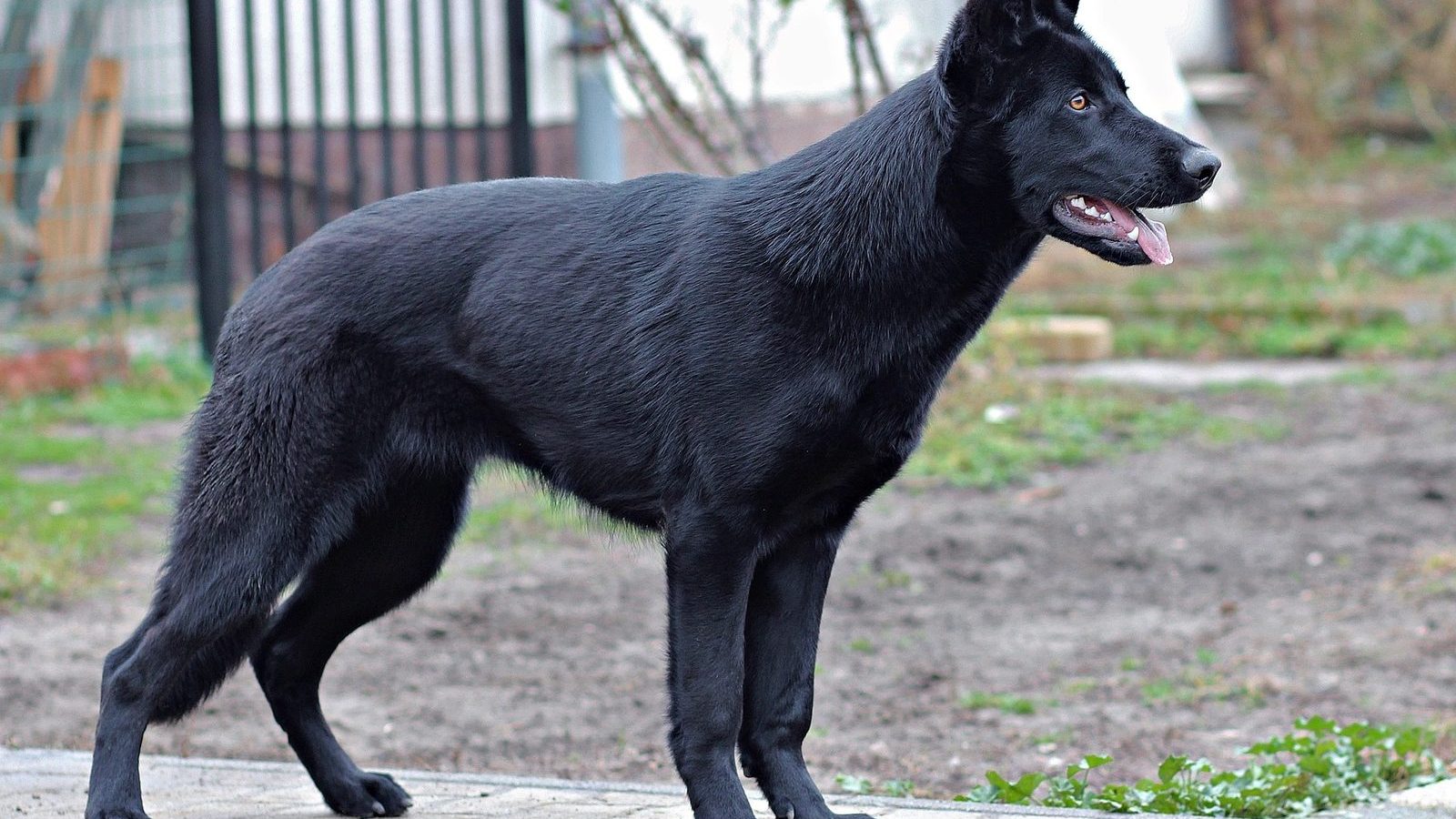
Short answer: dogs are ancient, but most breeds are Victorian
Dogs have lived alongside people for tens of thousands of years, but the idea of a “breed” — a closed population with a written standard and a pedigree — is barely 150 years old. Most of the breeds you can name were formalised in a burst of Victorian enthusiasm between about 1870 and 1900, when kennel clubs, dog shows and studbooks were invented. Understanding that explains almost everything about how dogs look, work and get ill today.
Stand in a park and look around. A Chihuahua, a Great Dane, a Border Collie and a Pug are all the same species, capable of interbreeding, separated by a few thousand years at most. Nothing else on earth looks like that. No other animal has been reshaped so fast or so far by human preference.
The story of how that happened is genuinely interesting, and it is also practical knowledge for anyone choosing a dog. Why some breeds have health problems baked in. Why “purebred” means something different from what most people assume. Why your German Shepherd behaves the way they do in your living room.
This guide covers domestication, the long era of landrace types shaped by work, the Victorian invention of breeds and closed studbooks, how the breed groups came about, the consequences we are living with, the modern crossbreed boom, and what all of it means when you are choosing a puppy.
Domestication research moves quickly and genuinely disagrees with itself — dates, locations and whether it happened once or twice are all actively debated. Where the science is unsettled, this guide says so rather than presenting one theory as fact.
From Wolves to Dogs
Dogs descend from an ancient wolf population — not from modern grey wolves, but from a shared ancestor that no longer exists. Estimates for when domestication began range from roughly 15,000 to over 30,000 years ago, and researchers still argue about whether it happened once or in more than one place.
The most widely discussed explanation is self-domestication: wolves who tolerated human proximity got access to scraps around settlements, those individuals survived and bred, and tolerance was selected for over generations. Nobody planned it. The dogs were, in effect, choosing us as much as we were choosing them.
What followed is well documented in a Russian experiment with silver foxes, where selecting purely for tameness produced, within decades, animals with floppier ears, curlier tails, patchy coats and juvenile behaviour retained into adulthood. Selecting for temperament changes appearance too — which is part of why domestic dogs look so different from wolves.
For most of the shared history of dogs and people, nobody was breeding for looks. Dogs were shaped by what they had to do and where they lived — and that is the era almost every “breed” is descended from.
Landraces: Shaped by Work, Not by Shows
Before breeds, there were landraces — regional populations of dogs that shared a rough type because they did the same job in the same climate, not because anyone wrote a standard.
| Job | What it selected for | Modern descendants |
|---|---|---|
| Herding | Stamina, biddability, independent decision-making, controlled prey drive | German Shepherd, Border Collie, Kelpie, Malinois |
| Livestock guarding | Size, independence, low prey drive, willingness to live with the flock | Great Pyrenees, Anatolian, Maremma |
| Sight hunting | Speed, deep chest, light frame, visual focus | Greyhound, Saluki, Borzoi |
| Scent hunting | Nose, endurance, voice, group tolerance | Beagle, Bloodhound, Foxhound |
| Retrieving | Soft mouth, water tolerance, biddability | Labrador, Golden Retriever, Chesapeake |
| Vermin control | Small size, tenacity, high prey drive | Terriers of every kind |
| Sled hauling | Endurance, thick coat, cooperative pulling | Siberian Husky, Malamute, Greenland Dog |
| Companionship | Small size, appealing features, sociability | Maltese, Pekingese, Bichon |
This is the layer that still shapes daily life with a dog. A Border Collie in a flat, a Beagle off-lead near rabbits, a terrier near a hamster cage — the job is thousands of years old and the instinct did not read the memo about moving indoors.
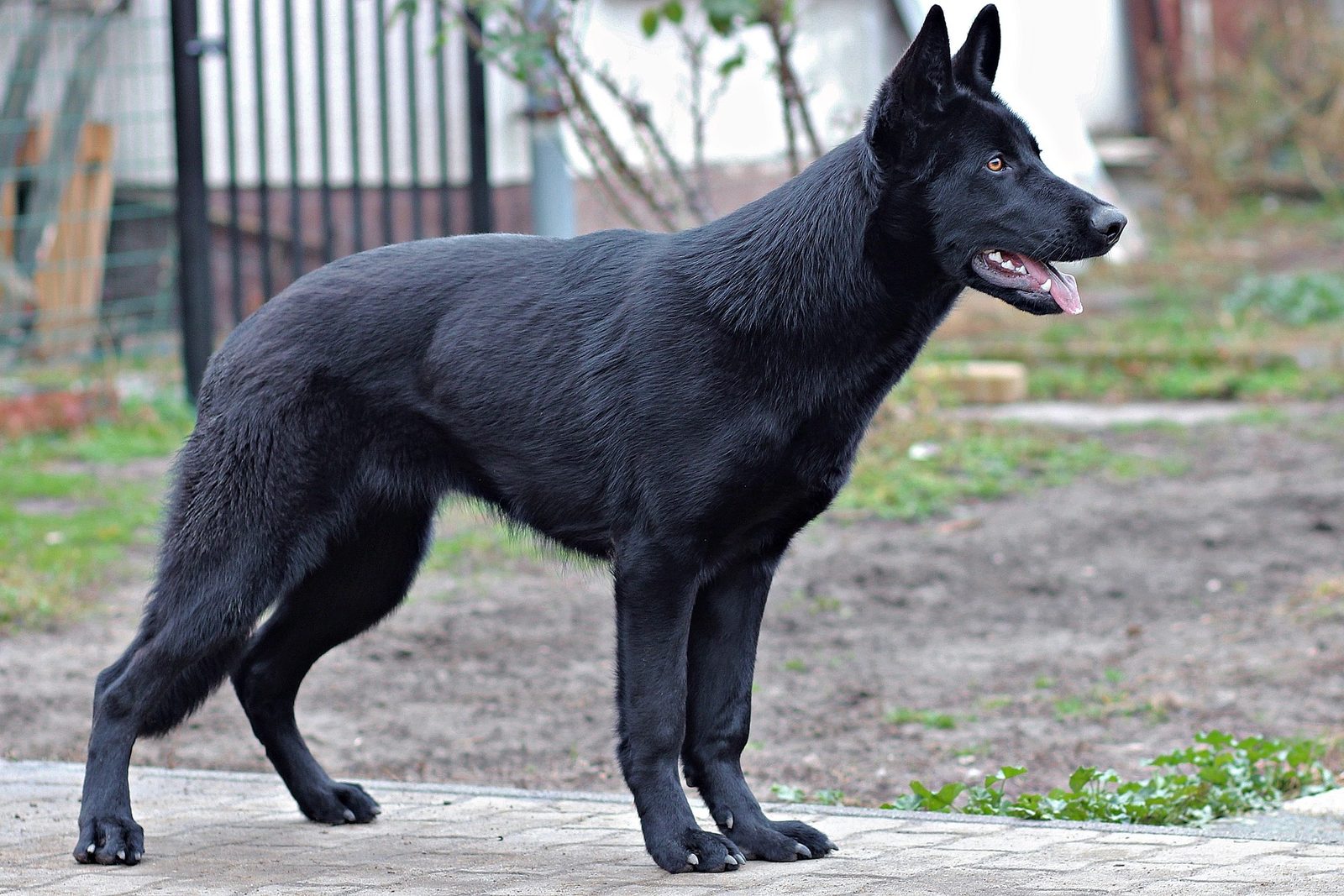
The Victorian Invention of Breeds
Here is the part that surprises people. The idea of a breed as we understand it — a fixed population, a written standard, a registry, a pedigree — is a Victorian invention, and a remarkably recent one.
Held in Newcastle upon Tyne, with classes for pointers and setters. Competitive dog showing takes off almost immediately among the Victorian middle class.
Founded in Britain to bring order to shows and record pedigrees. Other national clubs follow — the American Kennel Club in 1884.
Enthusiasts define what each breed should look like, and dogs are selected to match. Many “ancient” breeds are formalised — and in some cases substantially reinvented — during this window.
Once a breed is registered, only dogs with registered parents can be registered. The gene pool becomes fixed at whatever was in it that day.
Max von Stephanitz founds the SV — later than most British breeds, and unusually explicit that working ability should come before appearance.
Type drifts. Show fashion, popularity surges and closed gene pools each leave their mark, and the breeds gradually stop looking like their 1890s photographs.
It is worth sitting with that timeline for a moment. Dogs: many thousands of years old. Working types: thousands of years old. Breeds with paperwork: about six or seven human generations.
Closed Studbooks and What They Did
The closed studbook is the single most consequential idea in modern dog breeding, and it cuts both ways.
- Predictability — you know roughly what a puppy will become
- Preservation of working types that might have vanished
- Recorded pedigrees, making inheritance traceable
- A framework for health testing and scoring schemes
- Breed clubs, rescues and expertise built around each type
- A shared standard to breed towards
- No new genetic material after the gate closed
- Popular sires spread inherited conditions widely and fast
- Selection for appearance over function in many breeds
- Exaggerated features rewarded in the ring
- Reduced genetic diversity in numerically small breeds
- Health problems concentrated rather than diluted
The “popular sire effect” is worth understanding because it explains so much. When one dog wins repeatedly and is used for hundreds of matings, his genes — including anything undesirable he carries — flood the breed within a couple of generations. It is how a rare condition becomes a breed-wide one, and it has happened in many breeds, the German Shepherd among them.
Where the Breed Groups Come From
Kennel clubs sort breeds into groups, and the groups are essentially a filing system based on the original job. Names vary between countries but the logic is the same.
- Pastoral / Herding — dogs that move or guard livestock. German Shepherd, Collie, Corgi, Malinois.
- Working — guarding, hauling, rescue. Boxer, Rottweiler, Newfoundland, Great Dane.
- Gundog / Sporting — finding, flushing and retrieving game. Labrador, Spaniel, Pointer, Setter.
- Hound — hunting by sight or scent. Greyhound, Beagle, Dachshund, Bloodhound.
- Terrier — vermin control, mostly underground. Jack Russell, Border, Staffordshire.
- Toy / Companion — bred primarily for company. Pug, Chihuahua, Cavalier, Maltese.
- Utility / Non-sporting — the catch-all for breeds whose original job no longer exists. Bulldog, Dalmatian, Poodle.
The practical value of the groups is predictive rather than historical. If you know a breed is pastoral, you can guess a good deal about what will happen when children run past — as anyone with a German Shepherd puppy and a garden full of six-year-olds has discovered.
Where the German Shepherd Fits
The German Shepherd is a useful case study because it was created late, deliberately, and with an explicit philosophy — which makes the whole process unusually visible.
By 1899 Britain had been formalising breeds for thirty years. Von Stephanitz took the German herding landraces, selected a foundation dog, wrote a standard built around function, and required dogs to demonstrate working ability before being bred from. He was, in effect, trying to get the benefits of a closed studbook while avoiding the trap that had already caught several show breeds.
It worked, up to a point. The breed became extraordinarily capable. But the gene pool was still narrow, popular sires were still used heavily, and by the late twentieth century show and working lines had diverged sharply — with the argument about conformation that still runs today. The full story is in our history of the German Shepherd Dog.
The Consequences We Live With
| Consequence | How it shows up | What is being done |
|---|---|---|
| Breed-linked conditions | Hip and elbow dysplasia in large breeds; heart disease in Cavaliers; breathing problems in flat-faced breeds | Health testing schemes, DNA tests, breeding restrictions |
| Exaggerated features | Shorter muzzles, longer backs, more angulation than the original working dogs | Standards revised in several countries; vet and welfare campaigns |
| Low genetic diversity | Small breeds with very few founders; widespread popular sires | Some registries now permit carefully managed outcrossing |
| Working ability lost | Show lines of working breeds that could no longer do the original job | Working registries, dual-purpose breeding, working qualifications |
| Popularity surges | Puppy farms, imports, poor temperaments, rescue centres full two years later | Buyer education, licensing, campaigns against impulse buying |
You cannot fix 150 years of breeding history, but you can vote with your money. Ask for health test certificates for both parents, favour moderate and functional dogs over exaggerated ones, and be willing to wait for a breeder who does it properly. Those three habits are what move a breed in the right direction.
The Modern Crossbreed Boom
The most interesting development of the last thirty years is a partial return to how dogs were bred before studbooks: deliberate crosses, chosen for a purpose, with no registry involved.
Labradoodles, Cockapoos and their relatives began with a genuine goal — a guide dog suitable for an allergy sufferer — and became enormously popular on the promise of a low-shedding family dog. Two honest points about them. First, a cross is not automatically healthier; that depends entirely on the parents and the testing behind them. Second, first-generation crosses are unpredictable — coat, size and temperament can favour either parent, which is precisely what closed studbooks were invented to prevent.
None of that makes crossbreeds a bad choice. It makes them the same choice as any other: ask what health testing the parents had, meet the mother, and be realistic about grooming and exercise needs.
What This Means When Choosing a Dog
Read the original job, not the breed description
Marketing copy says “loyal and intelligent” about everything. The job the breed was built for tells you what your dog will actually do at 7am on a Tuesday.
Why it works: instincts do not retire. A herding breed will herd something, and it will be your children if you do not give them an alternative.
Look up the breed’s known conditions
Every closed population carries something. Find out what, and what responsible breeders test for.
Why it works: it turns a vague warm feeling into specific questions, and specific questions are what separate good breeders from the rest.
Favour moderation over extremes
Shorter muzzles, longer backs and more dramatic angles are usually recent additions, not ancient breed characteristics.
Why it works: the functional version of any breed is generally the healthier one, and it is what the original standard described.
Consider rescue as a real option
Breed rescues exist for almost every breed, and an adult dog’s size, coat and temperament are already visible.
Why it works: it removes most of the guesswork that 150 years of breed standardisation was trying to solve in the first place.
Reading Further
We recommend product types and the features that matter rather than sponsored placements, and we link to live Amazon results instead of quoting prices that go stale. As an Amazon Associate we may earn from qualifying purchases — at no extra cost to you.
Books on dog domestication and breed history
This is a subject where a good book beats a hundred web pages, because the research is genuinely contested and the interesting part is how we know. Look for titles on domestication and canine science, breed history, and the welfare consequences of selective breeding.
- Explains why your dog does what they do, at species level
- Puts breed health problems in their historical context
- Makes you a far better judge of a breeder’s answers
- Breed-specific histories fill in your own dog’s story
Good to know: prefer recent titles for anything about genetics — the field has moved substantially in the last decade, and older books state dates and origins with a confidence the evidence no longer supports.
| Item | Why | Find it |
|---|---|---|
| Domestication and canine science books | The best explanation of why dogs are the way they are | See options → |
| Breed encyclopaedias | Origins and original jobs, breed by breed | See options → |
| Canine body language guides | Reading the individual dog, whatever the pedigree | See options → |
| Reward-based training books | Working with the instincts rather than against them | See options → |
| Scent work starter kit | Put the ancient nose to work — see activities | See options → |
Myths Worth Retiring
❌ 1. “This breed is thousands of years old”
Said about almost every breed. The type may be ancient; the breed with a standard and a studbook is usually Victorian or later.
✅ Reality: ancient job, modern paperwork. Genetic studies have shown several “ancient” breeds were substantially reconstructed in the nineteenth century.❌ 2. “Purebred means better bred”
Pedigree records ancestry. It says nothing on its own about health, temperament or whether the parents were tested.
✅ Reality: the certificates that matter are the health test results, not the pedigree.❌ 3. “Crossbreeds are always healthier”
A wider gene pool helps on average, but a cross from two untested parents can inherit problems from both sides.
✅ Reality: ask about testing regardless of whether the puppy has a pedigree.❌ 4. “Dogs are just tame wolves”
Dogs are a separate lineage shaped by thousands of years alongside humans, with different digestion, different social behaviour and a unique ability to read human gestures.
✅ Reality: which is also why wolf-pack “dominance” training models were abandoned by behaviour professionals.❌ 5. “Breed standards have never changed”
Compare photographs of almost any breed from 1900 with today’s show winners. Several have changed dramatically.
✅ Reality: standards are revised, and type drifts with fashion. Several kennel clubs have recently rewritten standards to discourage exaggeration.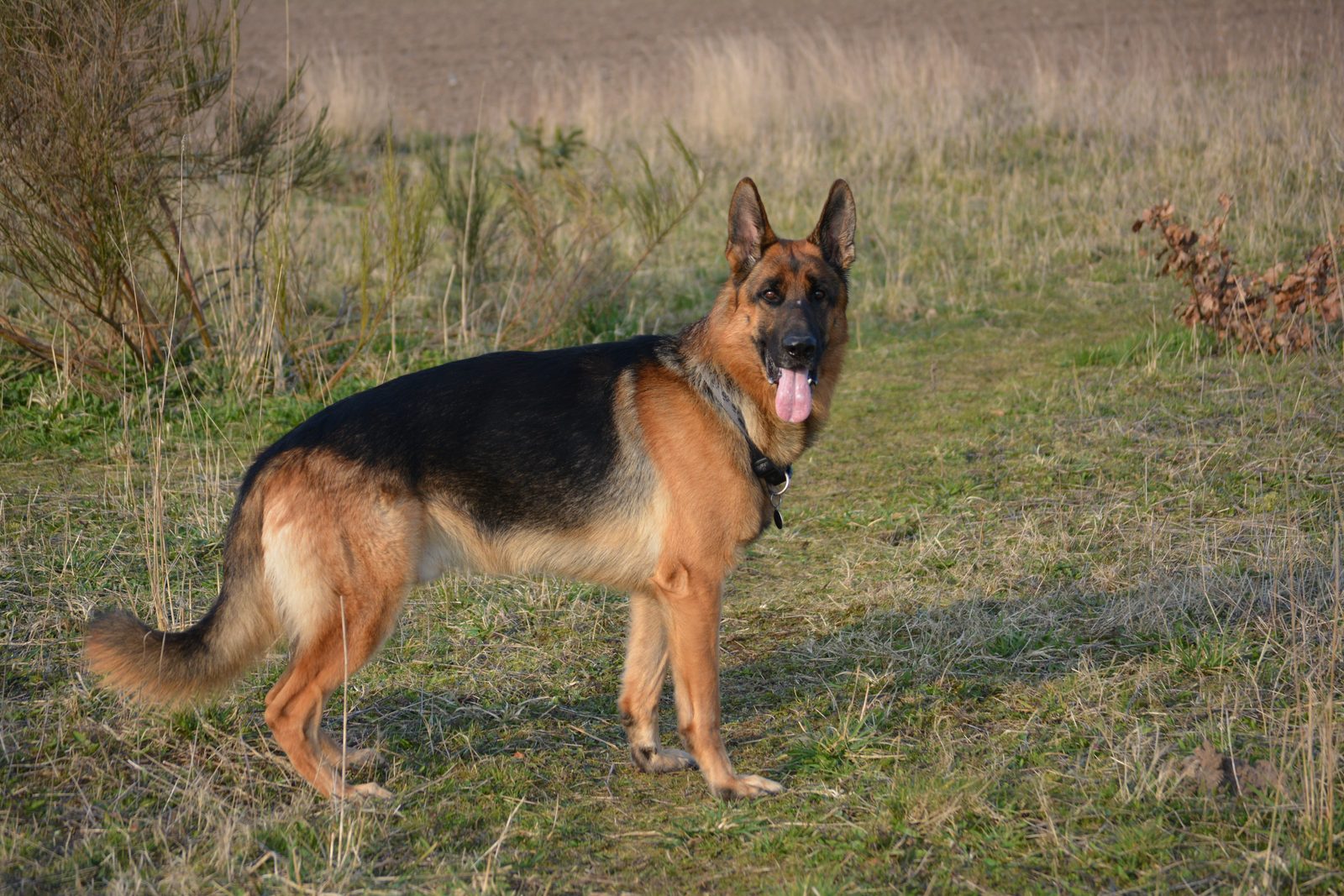
Frequently Asked Questions
How old are dog breeds?
Dogs have lived with people for at least 15,000 years, but formal breeds — with written standards, registries and closed studbooks — are mostly a product of the late nineteenth century. Working types are far older than the breeds built from them.
Are dogs descended from wolves?
Yes, from an ancient wolf population that no longer exists — not from modern grey wolves. Exactly when and where domestication happened is still debated, with estimates ranging from roughly 15,000 to over 30,000 years ago.
Why do so many pedigree breeds have health problems?
Largely because of closed studbooks and selection for appearance. Once a registry closes, no new genetic material enters, and heavy use of popular sires spreads inherited conditions quickly. Selecting for exaggerated features adds further problems on top.
What is a landrace?
A regional population of dogs that shares a rough type because of a shared job and environment, rather than a written standard. Most modern breeds were built from landraces during the Victorian period.
Is a German Shepherd an old breed?
As a formal breed, no — it dates from 1899, which makes it younger than many British breeds. The herding dogs it was assembled from are much older, and the working job goes back centuries.
Does knowing the history help me choose a dog?
Genuinely, yes. The original job predicts behaviour better than any breed description, the breeding history explains the health problems to ask about, and understanding closed studbooks tells you why health test certificates matter more than a pedigree.
✅ What to Take From the History
- Dogs are ancient; breeds are Victorian
- Behaviour follows the original job, not the breed description
- Closed studbooks gave predictability and cost genetic diversity
- The popular sire effect spreads conditions breed-wide fast
- Exaggerated features are usually recent, not traditional
- “Purebred” describes ancestry, not quality
- Crossbreeds are not automatically healthier
- Ask for health test certificates whatever the paperwork
- Favour moderate, functional dogs over extremes
- Meet the mother; see the puppies at home
- Breed rescue lets you see the adult dog you are getting
- Give the ancient instincts a modern job
The Bottom Line
Every dog is two histories at once. A very old one, in which their ancestors chose to live near people and were shaped by the work they did. And a very recent one, in which Victorians wrote down what each type should look like and closed the gate behind them.
The first history explains your dog’s behaviour. The second explains their health risks. Between them they explain almost everything worth knowing before you choose a puppy — and they make the case for the same three habits every time: ask about health testing, favour the functional over the fashionable, and give the instincts something useful to do.
- The history of the German Shepherd Dog — one breed’s story in detail
- The most popular dog breeds — what the rankings really measure
- The dog breeds closest to wolves — what the DNA actually shows
- Introducing the German Shepherd — the modern dog, honestly
Recommended German Shepherd gear for this guide
Waterproof car seat cover (hammock)
Best for: Protecting back seats on trips
- Waterproof
- Side flaps
Affiliate link — we may earn a commission, at no cost to you.
Heavy-duty puzzle feeder
Best for: Mental stimulation and slow feeding
- Builds focus
- Slows fast eaters
Affiliate link — we may earn a commission, at no cost to you.
Padded training leash 6ft
Best for: Daily walking and city control
- Padded handle
- Strong hardware
Affiliate link — we may earn a commission, at no cost to you.

Keep reading
More in Lifestyle & Travel →
Best Dog Jokes and Funny Dog Stories
Eighty dog jokes and puns, German Shepherd humour only owners get, the funny stories every household recognises, jokes…
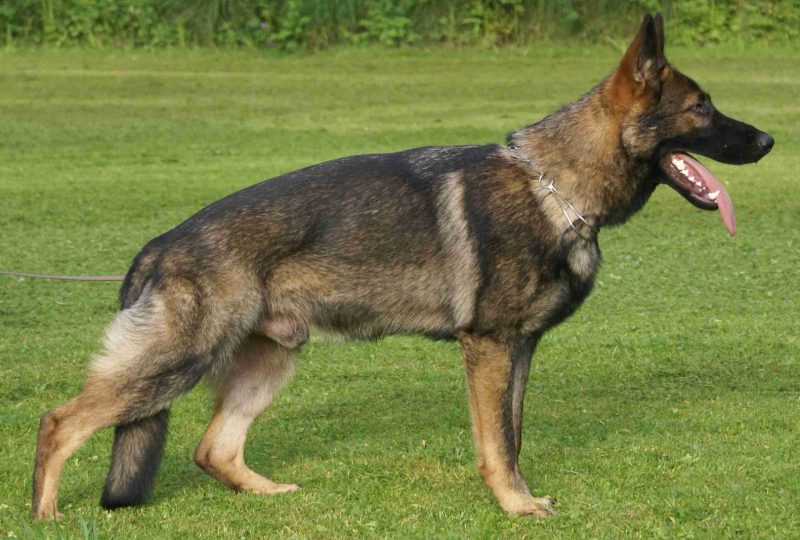
The White Shepherd: Breed, Colour Genetics and How They Differ
What causes the white coat, why white shepherds are not albino and not prone to deafness, the 1933…
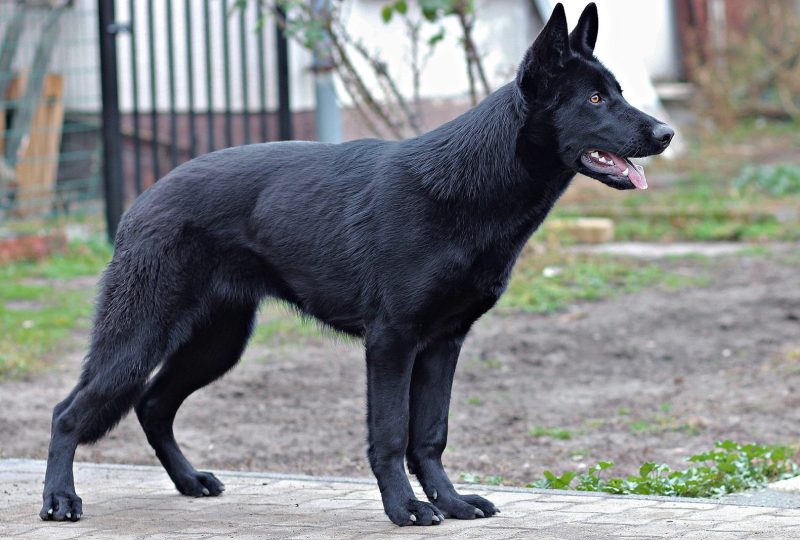
The Dog Breeds Closest to Wolves (What the DNA Actually Shows)
What genetic closeness to wolves really measures, the eight breeds in the ancient cluster, why the wolf-like German…