Sled Dog Breeds: The Dogs Built to Pull and How They Compare
Every traditional sled breed and what they are like to live with, why the Alaskan Husky is not a breed, whether a German Shepherd can pull, how to start cani-cross safely, and the heat rules that matter most.

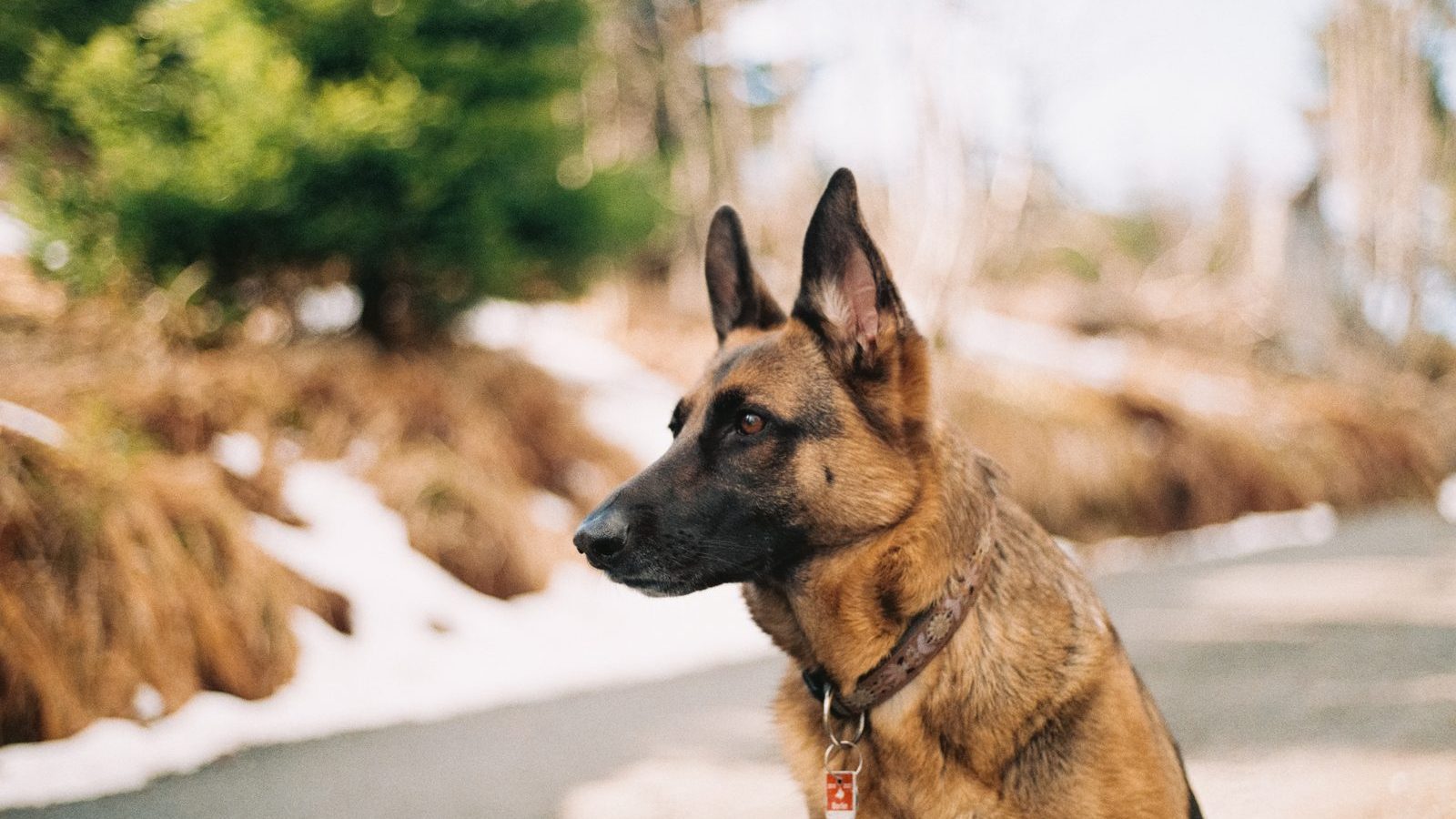
Short answer: a handful of northern breeds — and one of them is not actually a breed
The classic sled dogs are the Siberian Husky, Alaskan Malamute, Greenland Dog, Canadian Eskimo Dog, Samoyed and Chukotka — plus the Alaskan Husky, which is a working type rather than a registered breed and is what most competitive racing teams actually run. What they share is stamina, a dense double coat, cooperative pulling and an appetite for work. What they are not is easy pets.
Sled dogs occupy a strange place in most people’s heads. Everybody can picture the team, the snow and the breath in the air — and almost nobody can name more than two of the breeds involved, or explain why the dogs winning long-distance races often look nothing like the huskies on calendars.
There is also a question that brings a lot of German Shepherd owners to this subject: can my dog pull something? The answer is a qualified yes — cani-cross and scootering are popular, achievable and genuinely good fun — with some important rules about age, heat and equipment.
This guide covers each sled breed and what they are like to live with, why the Alaskan Husky is not a breed, what makes a dog physically suited to pulling, whether German Shepherds can do it, how to start safely, the welfare rules that matter most, and the honest verdict on sled breeds as family pets.
Anyone curious about the breeds, anyone considering a husky-type dog, and anyone with a fit adult dog wondering about cani-cross or scootering. The pulling-sport sections apply to any breed, German Shepherds included — with your vet’s agreement first.
What Makes a Dog a Sled Dog
Sled dogs were not selected for speed in the sprinting sense, or for size. They were selected for a very specific combination that turns out to be quite rare.
- Aerobic stamina. The ability to trot for hours, day after day, recovering overnight. This is the single defining trait.
- A dense double coat. Insulation against extreme cold, with a woolly undercoat under a weatherproof outer layer — the same architecture a German Shepherd has.
- Efficient feet. Tough, compact pads and good hair coverage between the toes to resist ice build-up.
- Willingness to pull into pressure. Most dogs stop when they feel resistance. Sled dogs lean in — which is the opposite of what you want on a lead.
- Social tolerance. Working shoulder to shoulder in a team for hours requires a dog who can cope with close company.
- Appetite for work. The trait owners find hardest at home: a dog who is genuinely disappointed when the day contains no job.
The trait that makes a superb sled dog — pulling harder when they feel tension — is precisely the trait that makes them exhausting on a lead in a suburban street. It is not disobedience; it is the job description.
The Traditional Sled Breeds
| Breed | Built for | What they are like to live with |
|---|---|---|
| Siberian Husky | Speed and endurance over distance with light loads | Friendly, sociable, famously escape-prone. Very high exercise needs, strong prey drive, almost no guarding instinct. Recall is a lifelong project |
| Alaskan Malamute | Hauling heavy freight slowly over long distances | Bigger and stronger than a Husky, calmer but more stubborn. Serious strength, heavy coat, can be same-sex dog reactive |
| Greenland Dog | Traditional Inuit freight hauling and hunting | Ancient, hardy, independent. Rarely kept as a pet outside working contexts, and not a beginner’s dog |
| Canadian Eskimo Dog (Qimmiq) | Arctic freight and hunting | Very rare, powerful, high prey drive. Kept mainly by working and conservation programmes |
| Samoyed | Herding reindeer and light hauling for the Nenets people | Cheerful, vocal, deeply people-focused — they historically slept with the family. Enormous grooming commitment |
| Chukotka sled dog | Siberian coastal hauling — the ancestral stock behind the Siberian Husky | Working population in Chukotka rather than a pet breed |
| Chinook | American freight hauling, developed in New Hampshire | Rare, gentle, calmer than most sled breeds. Numbers remain very low |
Two other names come up. The Seppala Siberian Sleddog is a working line descended from the same stock as the Siberian Husky, maintained separately for performance rather than show. And the Eurohound is a modern cross — usually Alaskan Husky with a pointer — bred for sprint racing.
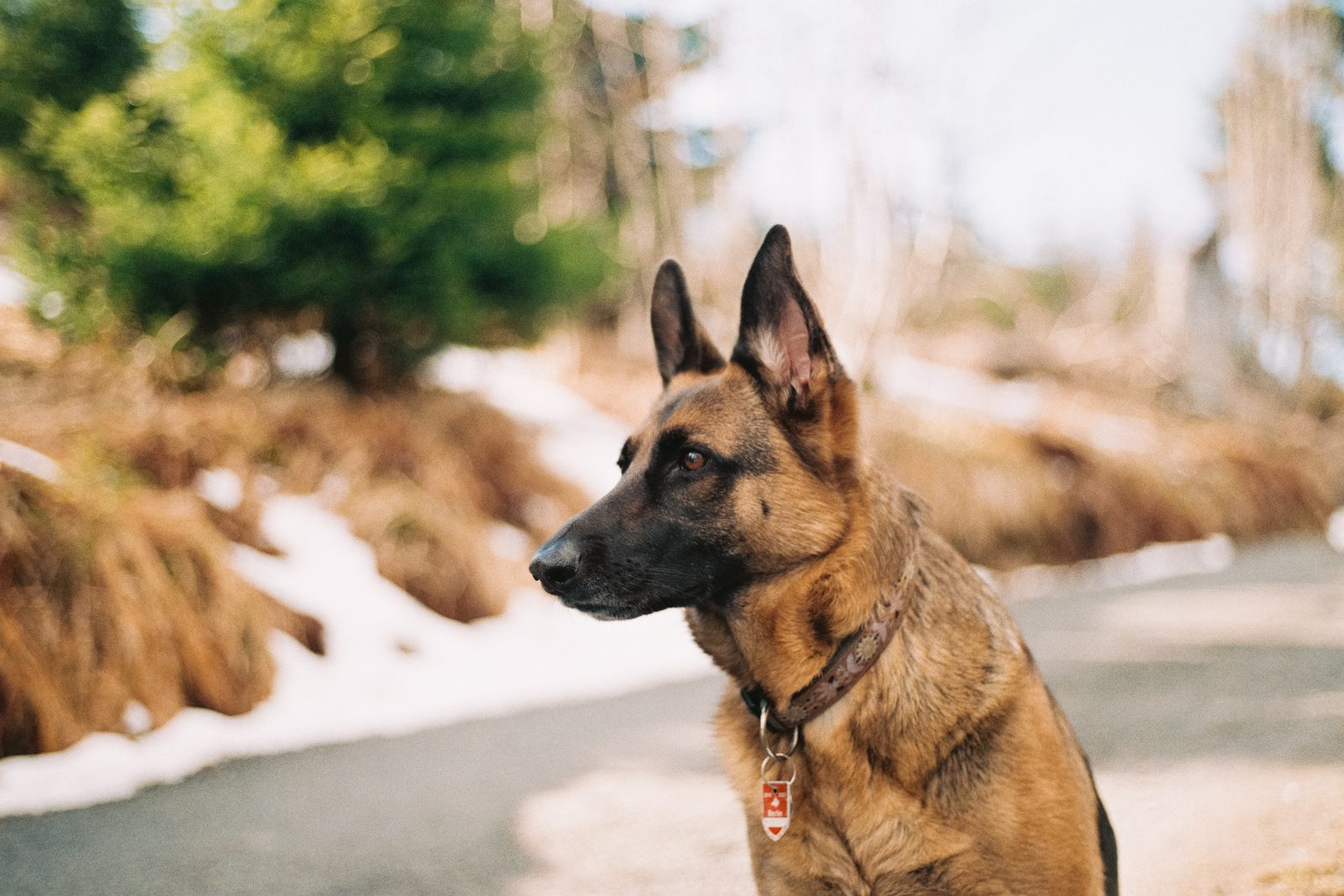
Why the Alaskan Husky Is Not a Breed
This surprises people, and it is the key to understanding modern sled racing. The Alaskan Husky has no breed standard, no closed studbook and no kennel club recognition. It is a type — defined entirely by the ability to pull a sled well.
Mushers have crossed northern dogs with pointers, hounds, setters and anything else that improved performance for well over a century. The result is a working population selected purely on function, which is exactly how dogs were bred before Victorian studbooks existed — see our guide to where dog breeds came from.
Which is why the dogs finishing the famous long-distance races often look like leggy, short-coated mongrels rather than the blue-eyed husky of the calendar. They are bred to win, not to match a picture — and by most measures they are the most athletically capable dogs on earth at what they do.
Living With a Sled Breed
Sled breeds are among the most frequently rehomed dogs in many countries, and the reasons are consistent enough to list.
- Strikingly beautiful, often very friendly with people
- Rarely aggressive — poor guard dogs, which suits many homes
- Extraordinary stamina for an active owner
- Comfortable in cold weather that flattens other breeds
- Sociable with other dogs when properly raised
- Genuinely fun in harness sports
- Escape artistry — they dig, climb and open gates
- Recall is genuinely difficult; many are never safely off-lead
- Very strong prey drive around cats and small animals
- Vocal — howling rather than barking, and it carries
- Coat blows that make a German Shepherd look tidy
- Overheat easily; unsuitable for hot climates without care
Husky and Malamute rescues are full of dogs who left home. These breeds were developed to travel enormous distances and they treat a garden fence as an interesting problem. Secure fencing, ideally with dig protection, and a very cautious approach to off-lead freedom are not optional extras for a sled breed.
Can a German Shepherd Pull?
Yes — and German Shepherds do very well at cani-cross (running with your dog in harness), bikejoring and scootering. They have the stamina, the drive, the coat for cool weather, and a strong desire to work with their person.
Three honest caveats. First, age: nothing involving sustained pulling or running before growth plates close, usually around 12–18 months, and check with your vet for your individual dog. Second, heat: a double-coated dog working hard overheats far faster than the owner does. Third, joints: a breed already predisposed to hip and elbow problems deserves a vet’s opinion before starting a repetitive endurance sport.
There is also a training wrinkle worth knowing. Pulling sports deliberately teach a dog to lean into the harness — the exact opposite of loose lead walking. In practice dogs learn to tell the difference easily if you use different equipment for each: pulling harness and bungee line for the sport, everyday harness and lead for walks. Our loose lead guide covers the walking half.
How to Start a Pulling Sport Safely
Vet check first
Confirm your dog is physically mature, fit, and free of joint or heart problems. Mention exactly what you are planning to do.
Why it works: endurance sport magnifies existing weaknesses. Finding out beforehand is considerably better than finding out afterwards.
Get a proper pulling harness fitted
An X-back or H-back harness that spreads load across the chest and shoulders, and a bungee line to absorb shock. Never a walking harness, never a collar.
Why it works: pulling forces are far higher than walking forces, and badly distributed load is how dogs get injured. Fitting matters more than brand.
Teach the cues before the speed
Directional cues, a “go” and above all a reliable stop. Start at walking pace on a wide, quiet track.
Why it works: a dog who cannot be stopped while attached to a bike is a genuinely dangerous situation for everyone involved.
Build distance gradually
Short sessions, a few times a week, increasing slowly over months. Rest days between hard efforts.
Why it works: tendons and ligaments adapt far more slowly than enthusiasm does — in dogs exactly as in people.
Join a club
Cani-cross and dryland mushing clubs exist across most countries, run beginner sessions, and will check your kit and technique.
Why it works: a couple of hours with experienced people prevents most of the equipment and safety mistakes beginners make.
Heat: The Rule That Matters Most
If you remember one thing from this guide, remember this. Dogs cool themselves mainly by panting, and a double-coated dog working hard produces enormous amounts of heat. Sled sports are cool-weather activities, full stop.
Signs: frantic heavy panting · bright red gums · thick drool · wobbling, confusion or collapse · vomiting. Stop immediately, move to shade, pour cool (not ice-cold) water over them, offer small drinks and ring an emergency vet. Dogs die of heatstroke during exercise on days that feel merely warm to their owner — and the risk is higher in thick-coated and dark-coated dogs.
Practical rules used by dryland mushing clubs: run in the coolest part of the day, watch humidity as closely as temperature, carry water, shorten sessions when it is warm, and cancel rather than push on. Many clubs set a hard temperature limit for organised events, and it is lower than most newcomers expect.
Welfare and the Racing Debate
Any honest article about sled dogs has to mention this. Long-distance sled racing attracts genuine welfare criticism — concerns about dog deaths and injuries during events, kennel conditions in large racing operations, and what happens to dogs who do not make the team.
Defenders point to veterinary checks at checkpoints, rule changes, mandatory rest, and the fact that these dogs are bred and conditioned for exactly this work and are visibly enthusiastic about it. Both things can be true: the dogs love running, and the sport has welfare questions that have not all been resolved.
For an ordinary owner considering cani-cross with a pet dog, the practical takeaways are simple and uncontroversial: one dog, your own pace, cool weather, proper equipment, and stop when your dog wants to stop. There is a large distance between a hobby run with a family pet and a competitive racing kennel.
A dog in harness on a cold morning, pulling because they want to, with an owner who will stop the moment they slow down — that is the version of this sport that suits a pet, and it is genuinely wonderful.
Kit for Pulling Sports
We recommend product types and the features that matter rather than sponsored placements, and we link to live Amazon results instead of quoting prices that go stale. As an Amazon Associate we may earn from qualifying purchases — at no extra cost to you.
A cani-cross set: pulling harness, bungee line and waist belt
Three items that work as a system. The harness spreads pulling load across the chest and shoulders rather than the throat, the bungee line absorbs the shock of a dog surging, and the belt puts the force through your hips instead of your arms and back.
- Load spread properly — the difference between sport and injury
- Bungee absorbs sudden surges that would otherwise jolt both of you
- Quick-release belt is an important safety feature
- Separate kit keeps pulling and loose lead walking clearly distinct
See cani-cross sets on Amazon →
Good to know: get the harness fitted by someone experienced if you can — a badly fitting pulling harness restricts the shoulder and can cause injury over distance. And never attach a pulling line to a collar.
| Item | Why it matters | Find it |
|---|---|---|
| Pulling harness | Spreads load across chest and shoulders | See options → |
| Bungee line | Absorbs shock for both dog and human | See options → |
| Waist belt | Force through the hips, hands free, quick release | See options → |
| Collapsible water bottle | Non-negotiable for any endurance session | See options → |
| Undercoat rake | Every dog in this article sheds spectacularly | See options → |
7 Mistakes (and the Fix for Each)
❌ 1. Buying a husky for the looks
The most rehomed reason there is. Escape artistry, poor recall and enormous exercise needs arrive with the blue eyes.
✅ Fix: spend a day with an adult of the breed and talk to a breed rescue before deciding.❌ 2. Starting a young dog too early
Sustained pulling and running on growing joints is exactly the wrong load at the wrong time.
✅ Fix: wait until growth plates close — usually 12–18 months — and get your vet’s view first.❌ 3. Running in warm weather
Double-coated dogs working hard overheat quickly, and heatstroke can be fatal.
✅ Fix: cool part of the day, watch humidity, carry water, and cancel rather than push on.❌ 4. Using a walking harness or collar
Neither is designed for sustained pulling force, and a collar puts that force on the throat.
✅ Fix: a properly fitted pulling harness and a bungee line. Nothing else.❌ 5. No reliable stop cue
Being towed by a strong dog on a bike with no brakes on the dog end is how people get hurt.
✅ Fix: teach stop and directional cues at walking pace long before you add speed.❌ 6. Doing too much too soon
Enthusiasm builds faster than tendons. Sudden distance jumps cause soft tissue injuries.
✅ Fix: short sessions, gradual build, rest days between hard efforts.❌ 7. Letting a sled breed off-lead too soon
High prey drive plus a genetic inclination to travel enormous distances is a poor combination in an open field.
✅ Fix: long line, secure fields, and honesty about whether off-lead is ever realistic for that individual dog.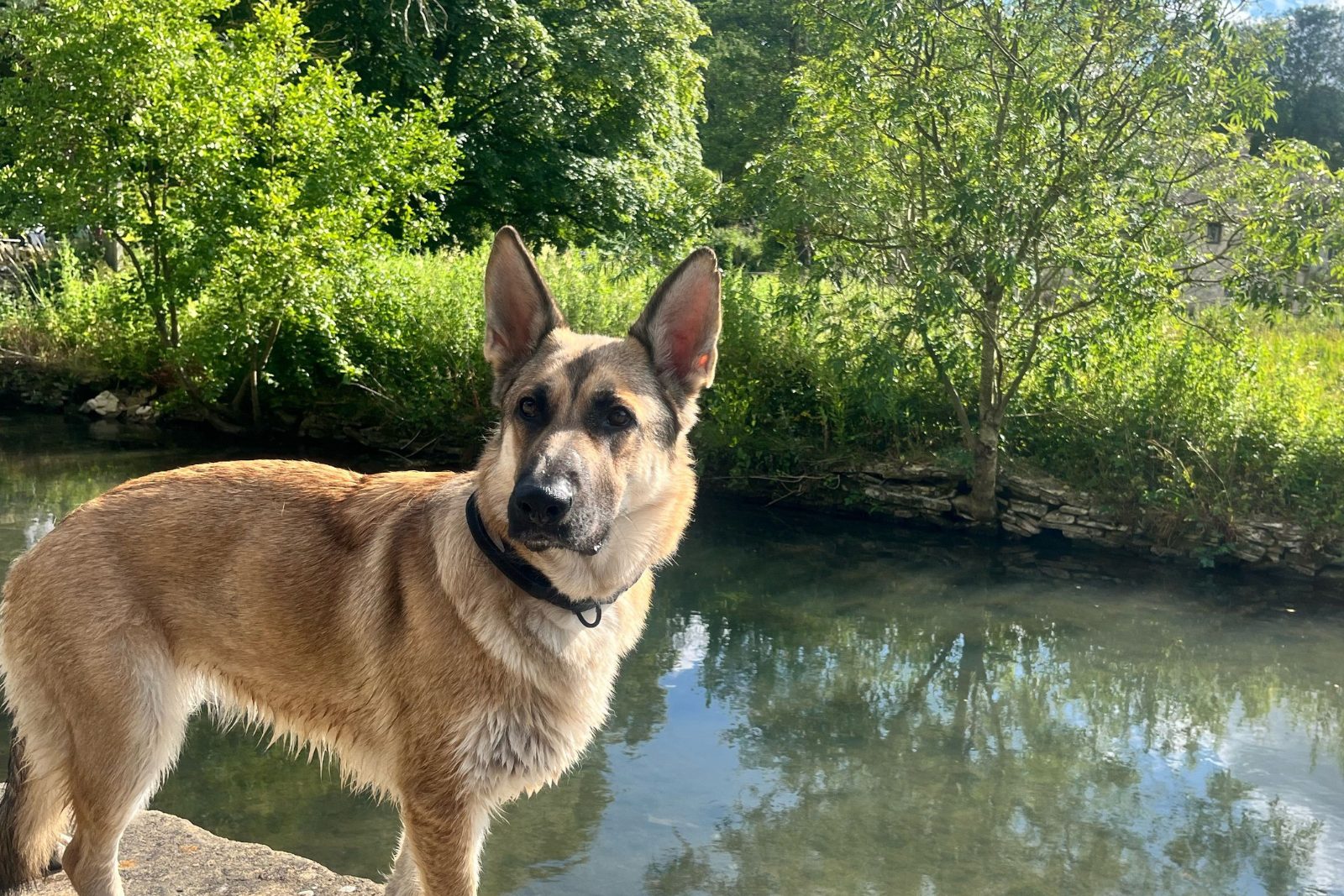
Frequently Asked Questions
What breeds are sled dogs?
The traditional ones are the Siberian Husky, Alaskan Malamute, Greenland Dog, Canadian Eskimo Dog, Samoyed, Chukotka sled dog and Chinook. Most competitive racing teams run Alaskan Huskies, which are a working type rather than a registered breed.
Is the Alaskan Husky a real breed?
Not in the kennel club sense. It has no breed standard or closed studbook — it is a working population bred purely for sled-pulling performance, often including pointer and hound ancestry, and it is the fastest and most successful sled dog type there is.
Can German Shepherds pull sleds or do cani-cross?
Yes. They have the stamina, drive and coat for cool-weather pulling sports, and cani-cross, bikejoring and scootering all suit them well. Wait until growth plates close at around 12–18 months, get a vet check first, use a proper pulling harness, and be strict about heat.
Will pulling sports ruin my dog’s lead walking?
Not if you use clearly different equipment for each. Dogs distinguish between a pulling harness with a bungee line and a normal harness and lead very quickly. Keep the two contexts separate and both behaviours coexist happily.
Are huskies good family pets?
They can be, for very active households with secure fencing and realistic expectations. They are friendly and rarely aggressive — but they need enormous exercise, escape readily, have strong prey drive, are difficult to recall and shed heavily. They are among the most commonly rehomed breeds for exactly those reasons.
What temperature is too warm for pulling sports?
Cooler than most people expect, and humidity matters as much as temperature. Many dryland mushing clubs set strict limits for organised events. As a rule: run early or late, carry water, watch your dog rather than the thermometer, and stop at the first sign of heavy distress.
✅ Pulling Sports Checklist
- Vet check before starting, mentioning the specific sport
- Dog physically mature — 12–18 months minimum
- Properly fitted pulling harness — never a collar
- Bungee line and a quick-release waist belt
- Reliable stop cue taught at walking pace first
- Directional cues before adding any speed
- Distance built gradually with rest days
- Cool part of the day; humidity checked as well as temperature
- Water carried on every session
- Session stopped at the first sign of heat distress
- Separate equipment for pulling and for ordinary walks
- A local club joined for a technique and kit check
The Bottom Line
The sled breeds are a small, specialised group built for stamina, cold and cooperative work — and the most successful sled dog of all is not a recognised breed at all. They are magnificent animals and, for most households, genuinely demanding pets.
The good news for German Shepherd owners is that you do not need one to enjoy the sport. Your dog already has the coat, the stamina and the desire to work with you. Wait until they are grown, buy the right harness, pick a cold morning, and go and find out whether they love it — most of them do.
- Activities for your German Shepherd — 25 ways to use that working brain
- Exercise by age — when it is safe to start impact sports
- The dog breeds closest to wolves — where the northern breeds sit
- Where dog breeds came from — why the Alaskan Husky has no standard
Recommended German Shepherd gear for this guide
Waterproof car seat cover (hammock)
Best for: Protecting back seats on trips
- Waterproof
- Side flaps
Affiliate link — we may earn a commission, at no cost to you.
Heavy-duty puzzle feeder
Best for: Mental stimulation and slow feeding
- Builds focus
- Slows fast eaters
Affiliate link — we may earn a commission, at no cost to you.
Padded training leash 6ft
Best for: Daily walking and city control
- Padded handle
- Strong hardware
Affiliate link — we may earn a commission, at no cost to you.

Keep reading
More in Lifestyle & Travel →
Best Dog Jokes and Funny Dog Stories
Eighty dog jokes and puns, German Shepherd humour only owners get, the funny stories every household recognises, jokes…
The White Shepherd: Breed, Colour Genetics and How They Differ
What causes the white coat, why white shepherds are not albino and not prone to deafness, the 1933…
The Dog Breeds Closest to Wolves (What the DNA Actually Shows)
What genetic closeness to wolves really measures, the eight breeds in the ancient cluster, why the wolf-like German…