Dog Collar Bells: Wildlife Safety, Noise and When They Help
Where collar bells genuinely work, why the wildlife protection claim does not transfer from cats to dogs, the noise sensitivity question, the snag safety rules, how to introduce one, and better alternatives for most owners.

Short answer: excellent for finding a dog in cover, weak as wildlife protection
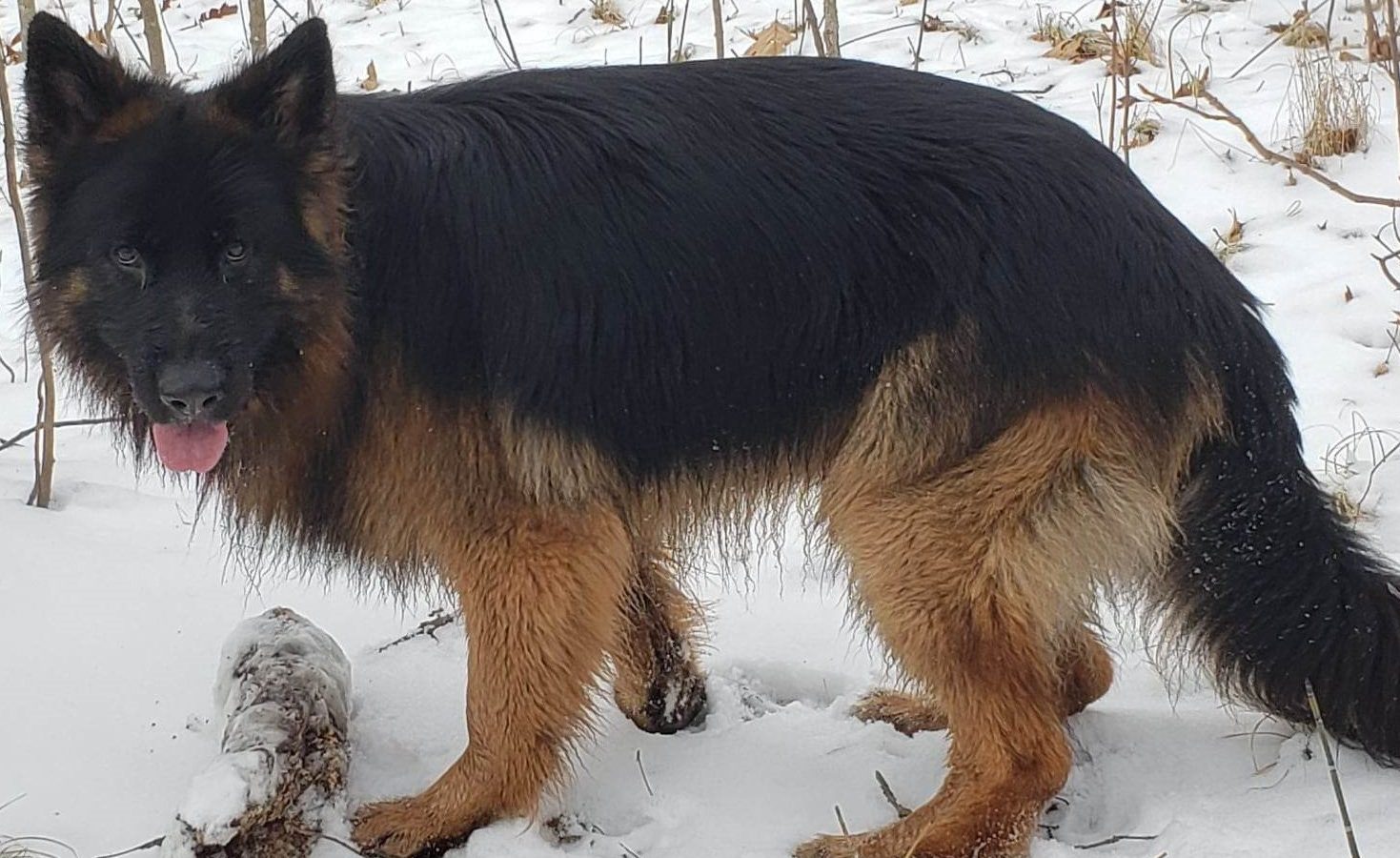
A collar bell genuinely helps you locate a dog in undergrowth, long grass, snow or the dark, and it is quietly useful in a multi-dog household or with a deaf or blind dog. What it does not reliably do is protect wildlife — that evidence comes from cats, and dogs hunt differently. Skip it entirely for a noise-sensitive dog, and never leave a bell on an unsupervised dog because of the snag risk.
A collar bell is one of those pieces of kit that seems either obviously sensible or obviously pointless depending on who you ask. Gundog people use them without a second thought. Wildlife groups recommend them. Plenty of trainers wince at the idea of hanging a permanent noise source off the neck of an animal with hearing far sharper than ours.
All three positions have something to them, because bells do several different jobs and are much better at some than others. The confusion mostly comes from applying evidence about cats to dogs, which turns out not to transfer.
This guide separates the uses that hold up from the ones that do not, covers the noise-sensitivity question honestly, sets out the safety rules, and looks at the alternatives — several of which are better for the job most owners actually want doing.
This page is about bells worn on a collar. Bells hung on a door that a dog rings to ask to go outside are a completely separate piece of kit doing a completely different job — that is potty bell training, and it has its own guide linked at the end.
What Collar Bells Are Actually Used For
| Purpose | Does it work? | Notes |
|---|---|---|
| Locating a dog in cover | Yes — the strongest use | Long grass, bracken, woodland, snow. The traditional gundog application |
| Tracking a dog in the dark | Yes | Especially in winter. Pair with a light for the full picture |
| Multi-dog households | Yes | Different tones tell you who is where and who is at the bin |
| Living with a blind dog | Yes — but on the other dog | A bell on a companion dog helps a blind dog track them around the house |
| Alerting you to a deaf dog’s movements | Yes | A deaf dog cannot hear you approach; the bell tells you where they are |
| Protecting garden birds | Weak | Evidence comes from cats. Dogs disturb nests rather than stalk — see below |
| Stopping a dog chasing wildlife | No | A determined Shepherd on a chase is not slowed by a warning noise |
| Warning bears or large wildlife | Weak | Human voice and proper bear-country practice work better; a small bell is unreliable |
Bells are a locating tool for the handler, not a training tool and not a wildlife-protection device. Judged as “where has my dog got to in this bracken?” they work extremely well. Judged as anything else, they mostly do not.
The Wildlife Claim, Examined
The bell-for-wildlife idea has a real origin and a real evidence base — for the wrong species.
Studies on cats have found that bells and similar warning devices reduce the number of prey animals brought home, sometimes substantially. That makes sense given how cats hunt: a slow stalk, then a short ambush from close range. A warning sound during the stalk gives the prey the seconds it needs.
Dogs do not hunt that way. A German Shepherd chasing a rabbit is running it down in the open at speed — the rabbit is fully aware of the dog from the outset, and a bell adds nothing. Meanwhile the harm dogs actually do to wildlife is mostly disturbance: flushing ground-nesting birds off eggs, running through nesting habitat in spring, and causing deer to bolt onto roads. A bell does not prevent any of that; in nesting season a jingling dog moving through cover may even increase disturbance.
A reliable recall, a long line in sensitive habitat, and keeping to paths through ground-nesting bird season — roughly March to July in much of the northern hemisphere. Those three things do more in a week than a bell does in a year, and they are what conservation bodies actually ask dog walkers for.
Where Bells Genuinely Work
Dense cover and working dogs
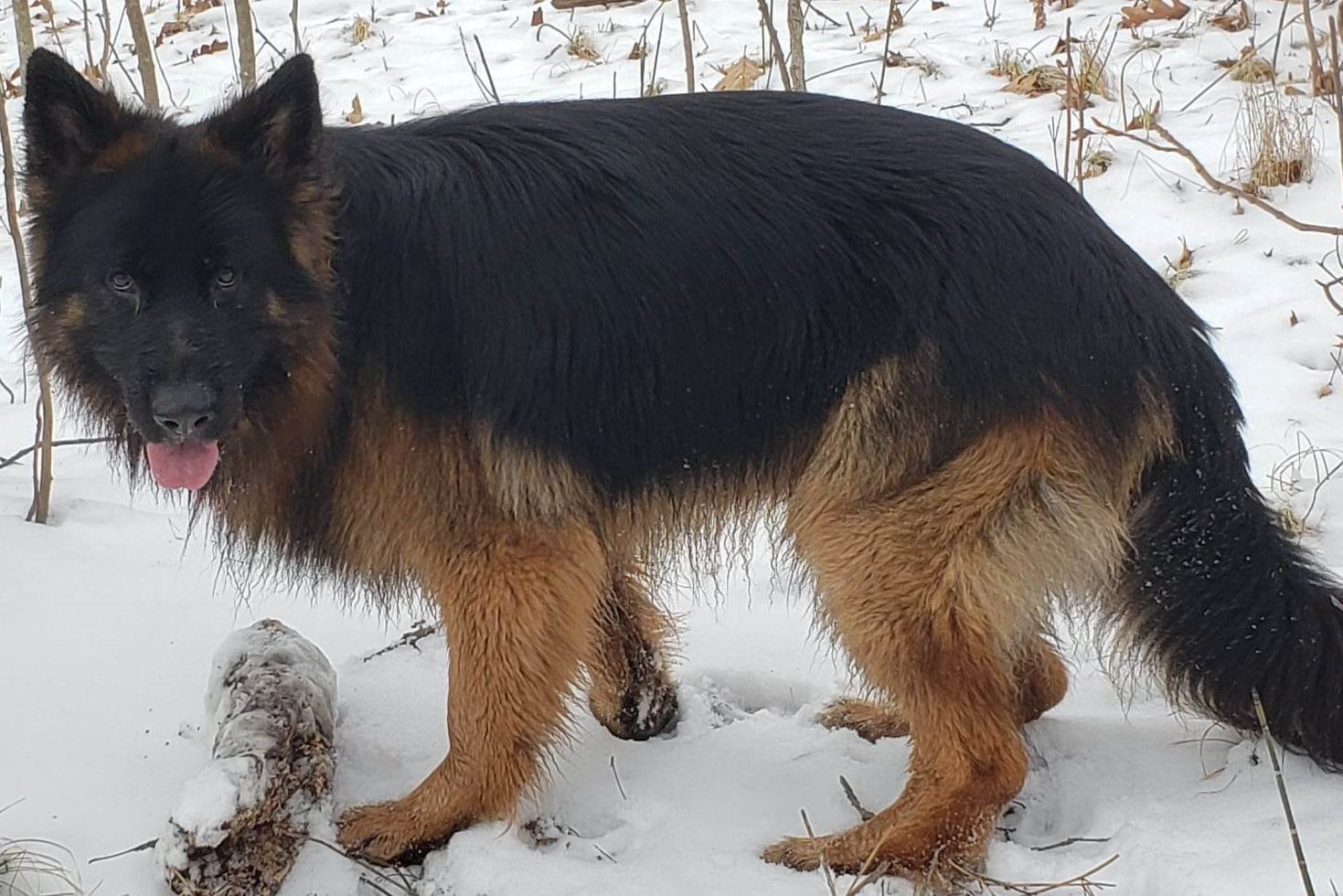
The traditional use, and the one that has survived because it works. A dog quartering through bracken, reeds or thick woodland disappears from view constantly. The bell tells you where they are, how fast they are moving, and — crucially — when they have stopped, which for a working dog is information in itself.
Dark winter walks
A black or dark sable German Shepherd is genuinely difficult to see at dusk. Combined with a light-up collar, a bell gives you a second channel of information — and it works when your dog is behind you or behind a hedge, which a light does not.
Deaf and blind dogs
Two distinct and genuinely useful applications. For a deaf dog, a bell on their collar means you always know where they are — important because a deaf dog cannot hear you approach and startles more easily. For a blind dog, put a bell on the other dog in the house, or wear one yourself, so they can track movement and orient themselves.
Multi-dog households
Different tones on different dogs and you can identify from another room who is heading upstairs and who is investigating the kitchen bin. Genuinely useful, and unglamorous enough that nobody markets it.
Dog Hearing and the Noise Question
This is the objection worth taking seriously. Dogs hear a considerably wider frequency range than we do — up to around 45 kHz against a human ceiling near 20 kHz — and are more sensitive at many frequencies. A bell is designed to be high-pitched and carrying, which puts it squarely in the range dogs hear well.
Two things soften that concern, and one sharpens it.
👂 Habituation is real
A constant, predictable, self-generated sound is exactly the kind animals habituate to fastest. Most dogs stop noticing a bell within days, in the way you stop hearing your own footsteps.
🎚️ It is not loud
A small bell under the chin is a modest sound at the source. It is far less intense than a bark, a car, or the vacuum cleaner they live with already.
⚠️ But some dogs never settle
Noise-sensitive dogs, dogs with sound phobias, and dogs already anxious about equipment may find it genuinely aversive — and they cannot get away from it. Watch, do not assume.
🐕 And it may mask other sounds
A working or scent-focused dog uses their hearing constantly. A permanent noise beside the ears is a legitimate reason to use one only when it is actually needed.
The sensible position: use a bell for the walks and situations that need it, and take it off at home. That gets you the benefit without the twenty-four-hour soundtrack.
Signs Your Dog Dislikes It
- Normal movement within a few minutes
- No change in how they carry the head
- Still shakes, scratches and rolls as usual
- Eats, plays and sleeps normally wearing it
- Ignores it completely within a couple of days
- Moving stiffly, or freezing when it rings
- Holding the head oddly to keep it quiet
- Repeated scratching or pawing at the collar
- Flattened ears, lip licking, whale eye when it sounds
- Refusing to move at all with it on
- Reluctance to have the collar put on afterwards
That fifth item on the right is the one owners miss. A dog who has started ducking away from the collar has told you something, and it usually predates any more obvious reaction by a week or two.
Safety Rules That Matter
Anything dangling from a collar is a snag hazard. Dogs have been caught on crate bars, fencing, branches, furniture and — most dangerously — on another dog’s jaw during play, which causes serious injury to both. Take bells and tags off for crate time, unsupervised garden time, and rough play with other dogs. This is not a theoretical risk; it is the reason breakaway collars exist.
- One bell, attached flat. A cluster of jingling bells on a long loop is both noisier and far more likely to catch on something.
- Check it cannot be swallowed. Small bells come off split rings. A German Shepherd will absolutely eat one, and it is an obstruction risk.
- Inspect the fixing weekly. Split rings open up, and the bell disappears without you noticing.
- Consider a breakaway collar for a dog who wears one regularly, especially in a multi-dog household.
- Remove it before rough play. Jaw-through-collar injuries during play are one of the more common serious accidents between dogs.
- Never on a puppy in a crate, or on any dog left alone at all.
Choosing a Bell
| Type | Sound | Best for |
|---|---|---|
| Brass hawk bell | Clear, carrying, traditional | Working dogs in cover — the classic choice for good reason |
| Steel jingle bell | Higher, sharper | Cheap and adequate; less durable and can rust |
| Silenced or magnetic bell | Off until released | Gundog work where the dog must be quiet then locatable on command |
| Bear bell with magnet | Louder, controllable | Hiking; the magnet silences it between sections |
| Cluster of small bells | Jingly and constant | Avoid — noisier for the dog and a worse snag risk |
For a German Shepherd, a single brass hawk bell attached close to the collar is the sensible default: loud enough to carry through cover, low enough in pitch to be less grating, and durable in wet weather.
Introducing It Properly
Ring it away from the dog, and pay
Two or three metres away, ring it once, feed a treat. Ten repetitions. The bell now predicts food before it is ever attached to them.
Bring it closer over a few days
Same game, gradually nearer. Watch for any flinch or turning away and back off a step if you see one.
Attach it for a few minutes at home
Indoors, doing something enjoyable — a bit of training, dinner, a game. Then take it off. Short first exposures.
First walk in a quiet place
Somewhere familiar and undemanding. Watch how they move for the first ten minutes — stiffness or an odd head carriage means stop.
Take it off at home
Make it walk equipment rather than permanent equipment. Removes the snag risk indoors and gives your dog’s ears a rest.
Better Alternatives for Most Owners
If the underlying question is “how do I keep track of my dog”, several things do it better than sound.
| Option | What it does better | Limitations |
|---|---|---|
| GPS tracker | Tells you exactly where your dog is, at any distance, on a map | Needs charging and usually a subscription; adds weight |
| LED or light-up collar | Visibility in the dark for you, and to traffic | Line of sight only; no help in dense cover |
| Reflective harness | Excellent near roads and headlights | Needs a light source to work at all |
| Long line | Removes the problem entirely — your dog is never lost | Not for dense woodland; needs a harness |
| A trained whistle recall | Works at distance and through cover, and improves everything else | Takes months to build properly |
| High-visibility vest | Spotting a dark dog in daylight cover; important in shooting season | Daylight only |
A bell tells you roughly where your dog is. A recall brings them back. If you can only invest in one, it is not the bell.
What to Buy
Rechargeable LED light-up collar
Most owners reaching for a bell actually want to know where their dog is on a dark winter walk — and for that a light does the job far better. A rechargeable LED collar makes a black or dark sable German Shepherd visible at a considerable distance, to you and to drivers and cyclists, which a bell does nothing about. Look for USB charging rather than button cells, a proper weatherproof rating, and both steady and flashing modes. Worn alongside the ID collar rather than instead of it, and take it off at home like any other walk equipment.
- Makes a dark dog visible to traffic, which a bell cannot
- Visible far further than a bell is audible
- Rechargeable, so no dead cells on a January evening
- Pairs well with a bell for cover, where sound still wins
Good to know: a light works on line of sight and a bell works through cover, so they solve different halves of the same problem. If your dog disappears into bracken, keep the bell; if the issue is roads and dusk, the light is the better buy.
| Item | Why it earns its place | What to look for | Find it |
|---|---|---|---|
| Brass hawk bell | Locating a dog in cover — the one real use | Single bell, brass, attaches flat | See options → |
| LED collar | Dark walks and visibility to traffic | USB rechargeable, weatherproof | See options → |
| GPS tracker | Knowing exactly where your dog is, at any distance | Collar-mounted, live tracking, good battery | See options → |
| Long line | Removes the losing-the-dog problem entirely | 10–15 m biothane, harness clip | See options → |
| Whistle | The recall that makes all of this less necessary | Fixed-tone gundog whistle plus a lanyard | See options → |
7 Mistakes (and the Fix for Each)
The fix: take it off for crate time, alone time and rough play. Dangling items catch on fencing, furniture and other dogs’ jaws, and those injuries are serious.
The fix: recall training, a long line in sensitive habitat, and staying on paths through nesting season. That is what actually helps.
The fix: one bell, attached flat. A cluster is louder for your dog and considerably more likely to snag.
The fix: pair the sound with food at a distance first, then build up. A few short sessions prevent a lasting dislike.
The fix: watch for stiff movement, odd head carriage and ducking away from the collar. That last one usually appears first.
The fix: inspect the split ring weekly. A small bell that comes off is an obstruction risk for a dog who eats things.
The fix: train the recall. A bell tells you which direction your dog went; it does nothing whatsoever to bring them back.
Frequently Asked Questions
Do collar bells protect wildlife from dogs?
Not reliably. The evidence for bells reducing predation comes from cats, which stalk and ambush from close range. Dogs chase in the open, so a warning sound adds little. The harm dogs do to wildlife is mostly disturbance — flushing ground-nesting birds and causing deer to bolt — which a bell does not prevent and may worsen.
Are collar bells annoying for dogs?
Most dogs habituate within days — a constant, predictable, self-generated sound is exactly what animals tune out fastest. But noise-sensitive dogs may find it genuinely aversive and cannot escape it. Watch for stiff movement, odd head carriage, scratching at the collar or ducking away when you go to put it on.
Is it safe to leave a bell on my dog’s collar all the time?
No. Anything dangling is a snag hazard — dogs get caught on crate bars, fencing, branches and, most dangerously, on another dog’s jaw during play. Remove bells and tags for crate time, unsupervised periods and rough play, and consider a breakaway collar for a dog who wears one regularly.
What is a collar bell actually good for?
Locating a dog in dense cover, long grass, snow or the dark — the traditional gundog use, and it works well. It is also genuinely useful in multi-dog households, for keeping track of a deaf dog, and worn by a companion dog so a blind dog can follow them around the house.
Should I use a bell or a GPS tracker?
Different jobs. A bell tells you roughly where your dog is right now within earshot, needs no charging and costs very little. A GPS tracker tells you exactly where they are at any distance, but needs charging and usually a subscription. For a dog who genuinely runs off, the tracker; for a dog who vanishes into bracken twenty metres away, the bell.
How do I introduce a bell to a nervous dog?
Ring it two or three metres away and feed a treat, ten times over, so the sound predicts food before it is ever attached. Move closer over several days, then attach it indoors for a few minutes during something enjoyable. First walk somewhere quiet and familiar. Any flinching or stiffness means stop and go back a step.
✅ Your Collar Bell Checklist
- Clear on the actual purpose — locating, not wildlife protection
- One bell only, attached flat to the collar
- Brass hawk bell for cover; skip clusters entirely
- Sound paired with food at a distance before fitting
- First wear indoors, for a few minutes
- First walk somewhere quiet and familiar
- Movement and head carriage watched for the first ten minutes
- Removed for crate time and any unsupervised period
- Removed before rough play with other dogs
- Split ring checked weekly
- Breakaway collar considered for regular use
- LED collar added for dark walks and traffic
- Long line used in sensitive wildlife habitat
- Paths kept to through ground-nesting season
- Recall trained — the thing that actually solves this
The Bottom Line
A collar bell is a good, cheap, old-fashioned solution to one specific problem: knowing where your dog is when you cannot see them. In bracken, in snow, at dusk, or with several dogs in a house, it does that job well and nothing else does it quite the same way.
It is not a wildlife measure, and the studies people cite for that are about cats. It is not a training tool. And it is not something to leave hanging off a dog who is about to be left alone in a crate.
So if you walk somewhere thick and your Shepherd disappears into it, buy a brass hawk bell, introduce it over a week and take it off at home. If what you actually want is to stop losing your dog, spend the money on a long line and the time on a whistle recall — and let the bell be what it has always been, which is a way of hearing where somebody went.
- Recall training — the skill that makes equipment less necessary
- Potty bells — the other kind of bell entirely
- Harness vs collar — what goes on the neck and what does not
- Activities for your German Shepherd — including work in cover
Recommended German Shepherd gear for this guide
Heavy-duty German Shepherd crate (42")
Best for: Crate training and safe rest
- Sturdy build
- Double-door access
- Removable tray
Affiliate link — we may earn a commission, at no cost to you.
Orthopedic large dog bed (memory foam)
Best for: Joint comfort and stretch-out sleep
- Pressure relief
- Washable cover
- Non-slip base
Affiliate link — we may earn a commission, at no cost to you.
No-pull German Shepherd harness
Best for: Calm leash walks for strong adult GSDs
- Front + back clip
- Padded chest plate
- Reflective trim
Affiliate link — we may earn a commission, at no cost to you.

Keep reading
More in Gear & Reviews →
How to Make an Adjustable Martingale Collar (Step by Step)
A full pattern with measurements and formulas, materials and hardware, cutting and sealing webbing, box-X stitching, adding an…
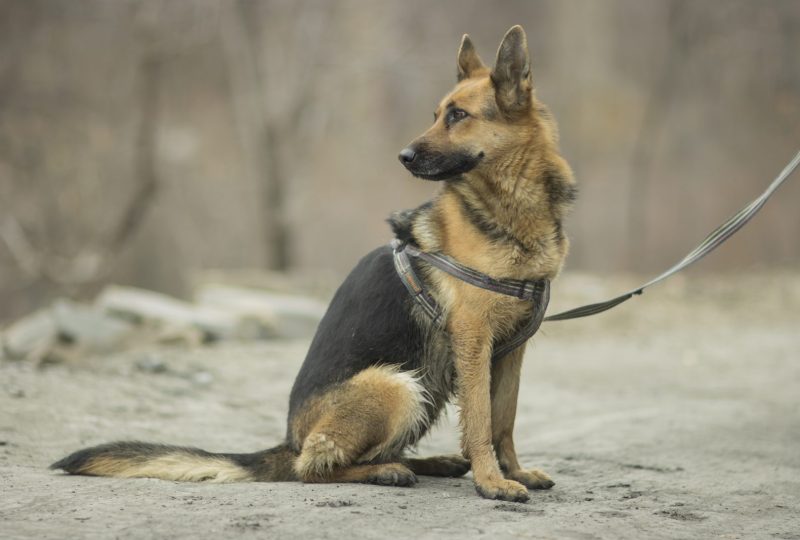
Harness vs Collar for a German Shepherd: Which Should You Use?
What is in a dog's neck and why it matters, harness types compared, the truth about harnesses teaching…
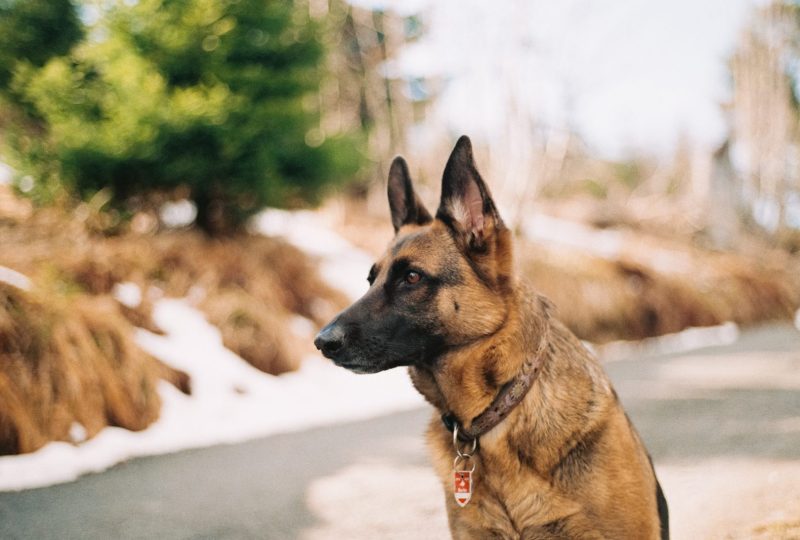
Best Dog Houses for German Shepherds: Sizing, Warmth and Safety
The sizing formula and why bigger is colder, what actually keeps a dog warm, insulation and raised floors,…