Grooming Your German Shepherd: The Complete Home Routine
The full home grooming routine: understanding the double coat, the five tools that cover everything, the ten-minute brushing method, bathing and drying properly, nails, ears and teeth, and what to do if your dog hates being groomed.

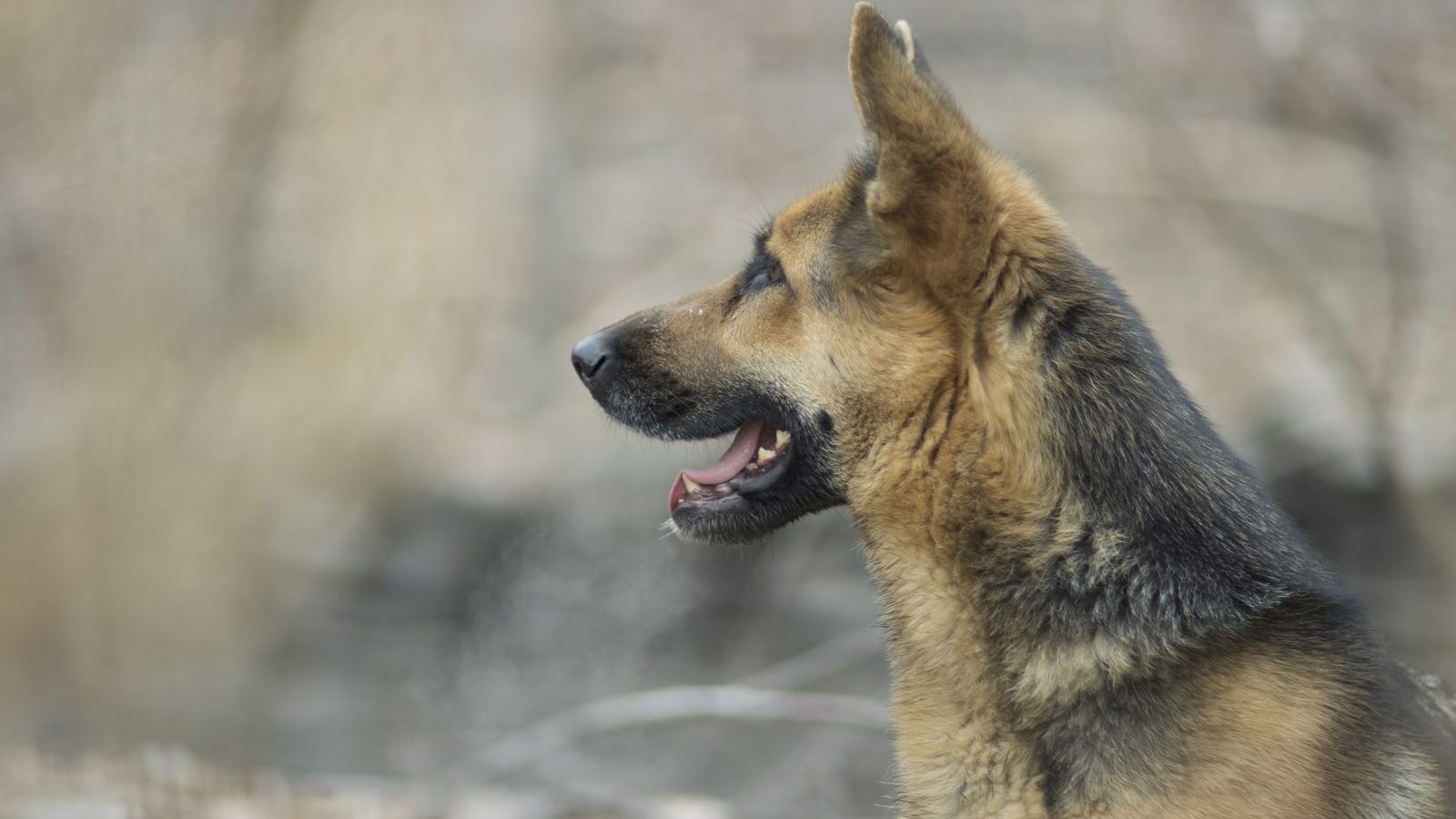
Short answer: no trimming, no clipping — just coat, nails, ears and teeth
Grooming a German Shepherd is unusually simple for a big-coated breed, because nothing gets cut. You rake out the dead undercoat, brush the surface, and keep four small jobs ticking over. The whole thing is ten minutes a few times a week, plus a bath every couple of months. What makes it easy or hard is not the coat — it is whether your dog was taught to enjoy being handled.
Most grooming advice for this breed skips the part that actually decides how it goes. It is not which brush you buy. It is whether your 38 kg dog will stand still, let you pick up each foot, tolerate a rake down the trousers, and let a stranger look in their ears at the vet without a fuss.
Get that right and the physical grooming is genuinely easy. German Shepherds are a natural-coat breed — no scissoring, no styling, no six-weekly appointments. Get it wrong and you have a decade of wrestling matches ahead, plus a dog who cannot be treated comfortably when something goes wrong.
This guide covers the full home routine step by step, the five tools that cover everything, bathing and drying a double coat properly, how to handle a dog who hates being groomed, when a professional groomer is worth it, and the seasonal rhythm across a year.
This is the how-to. If you want the calendar — what is due daily, weekly and monthly — see our grooming schedule. If your main concern is hair on the sofa, the shedding guide covers coat blows in depth.
Understanding the Coat You Are Working With
Everything in this guide follows from one fact: a German Shepherd wears two coats at once. A coarse, weather-resistant guard coat on top, and a dense woolly undercoat underneath that does the insulating.
The guard coat sheds slowly all year. The undercoat is seasonal — it thickens in autumn, and comes out in clumps in spring. Almost every grooming decision you make is really about getting dead undercoat out without damaging the guard coat.
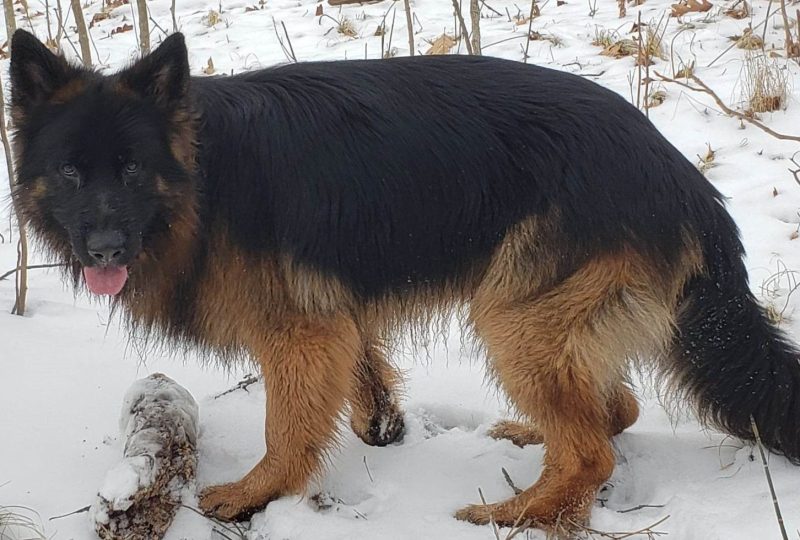
Stock coats (the standard medium length) are straightforward: rake, brush, done. Long coats have feathering behind the ears, on the trousers, under the arms and along the tail, and those areas mat if they are not combed. Both shed; neither is cut.
Never shave a German Shepherd. The undercoat insulates against heat as well as cold, the guard coat blocks sunburn, and shaved coats often grow back patchy or woolly. The answer to a hot dog is shade, water and early walks — not clippers. Full explanation in should you shave your German Shepherd.
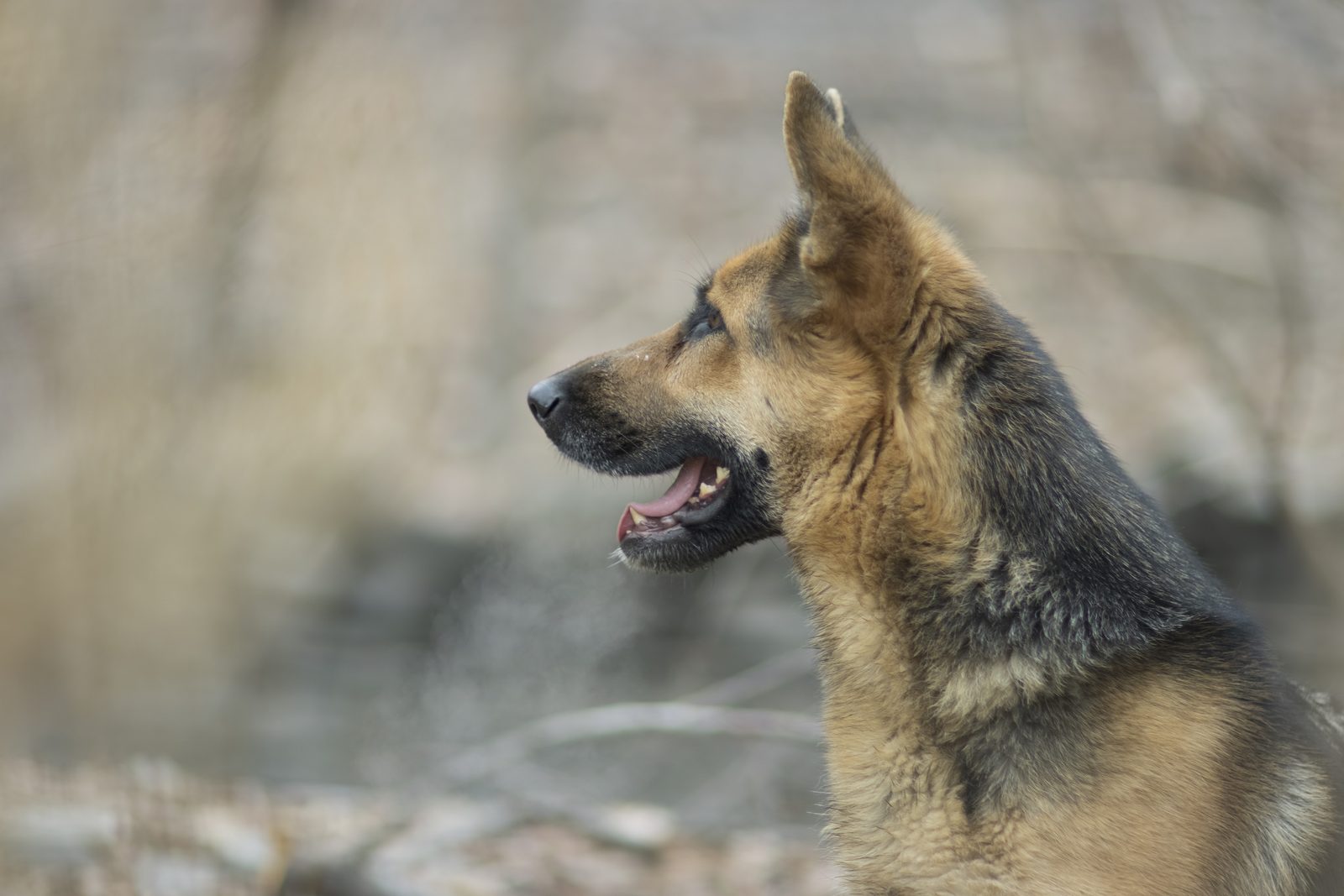
The Five Tools That Cover Everything
| Tool | What it does | How often |
|---|---|---|
| Undercoat rake | Pulls dead undercoat out from below the guard coat. Does 70% of the work | 2–3× weekly; daily in a coat blow |
| Slicker brush | Lifts loosened surface hair and finishes the coat | End of every session |
| Metal comb | Finds mats behind ears, under arms and in trousers | Before every rake |
| Nail clippers or grinder | Keeps nails off the floor; a grinder is easier on dark nails | Every 2–3 weeks |
| Dog toothbrush and paste | The most valuable thirty seconds in the whole routine | Daily |
Optional but excellent: a high-velocity dog dryer. It blasts loose undercoat out in minutes and is what makes a groomer’s de-shed appointment so effective. Introduce it slowly and at a distance — it is loud.
Tools with a sharpened blade edge remove undercoat impressively — and cut guard hairs while they do it. Used every session they leave the coat dull, thin and slow to recover. Keep a rake as your main tool and use anything bladed occasionally at most, with a very light touch.
The Ten-Minute Brushing Routine
Set up outside, with food
Outdoors if the weather allows — every session done in the garden is hair that never lands on your sofa. Treats in a pocket, dog on a mat, no rush.
Why it works: the location becomes a cue. Dogs who groom in the same spot each time settle into it far quicker.
Comb the mat zones first
Metal comb through the ruff, behind the ears, under the front legs and the trousers. Tease any tangle apart with your fingers before a rake goes near it.
Why it works: dragging a rake through a mat pulls the skin and hurts. One painful session can put a dog off grooming for months.
Rake in sections, with the coat
Short strokes in the direction the hair grows. Neck → shoulders → back → sides → hindquarters → tail. Stay on each section until noticeably less comes out, then move on.
Why it works: working methodically means you actually finish the dog rather than doing the easy bits twice.
Give the dense areas extra attention
The ruff, the trousers, the base of the tail and the strip either side of the spine hold the most undercoat — and they are the ones people rush.
Why it works: most of the hair in your house comes from these four zones. Do them while your dog is still fresh and patient.
Finish with the slicker, then check the skin
A quick pass lifts the hair the rake loosened. While you are there, run your hands over the whole dog: lumps, scabs, ticks, sore spots, anything new.
Why it works: this weekly hands-on check is how most owners find problems early. It is arguably the most valuable part of grooming.
Bathing and Drying Properly
Every eight to twelve weeks suits most German Shepherds, plus emergencies. Over-bathing strips the oils that keep the skin healthy and usually makes shedding worse, not better.
Bathing a coat full of loose undercoat creates a felted mess that is far harder to sort out afterwards. Ten minutes with the rake before any water.
Human shampoo has the wrong pH for dog skin. Work the water and lather right down to the skin — a double coat repels water and takes longer to wet through than you expect.
Leftover product is one of the main causes of itching after a bath. When you think it is rinsed, rinse again.
A dog dryer on a cool setting, or a hairdryer on cool held well back, while brushing. Never leave a double coat to air dry.
A bath loosens an enormous amount of undercoat. This is the moment to collect it — the results after a bath-and-dry are startling.
A double coat can stay wet against the skin for many hours. That warm, damp layer is how hot spots — painful, fast-spreading skin infections — begin. If you cannot dry your dog thoroughly, wait for a day when you can.
Nails, Ears, Teeth and Paws
Nails
If you can hear clicking on a hard floor, they are too long. Overgrown nails change how the foot loads and put strain up the leg. Take a sliver every two to three weeks rather than a big cut every few months — one nail then a treat is a perfectly respectable session. A grinder is easier to control on dark nails, and styptic powder in the box means an accidental quick is a minor event rather than a drama.
Ears
Erect ears get good airflow, so German Shepherds have far fewer ear problems than drop-eared breeds. Look weekly; clean only when there is visible dirt or after swimming, using a proper dog ear cleaner. Never put cotton buds down the canal. A yeasty smell, dark discharge, redness or head shaking is a vet appointment, not a cleaning job.
Teeth
Thirty seconds daily with a dog toothbrush and dog toothpaste — never human toothpaste, which often contains xylitol. Outside surfaces only, at the gum line. It is the most neglected job in dog care and the one with the biggest long-term payoff; full detail in teeth and gums.
Paws
Check between the toes after walks for grass seeds, grit and winter salt. Trim the tufts of hair between the pads level with the pad using blunt-nosed scissors — it improves grip on hard floors and stops mud balls forming. This is the one bit of trimming genuinely worth doing on this breed.
If Your Dog Hates Being Groomed
Very common, entirely fixable, and worth taking seriously — a 38 kg dog who will not tolerate handling is a genuine practical and safety problem.
- Stop grooming for two weeks; just touch and treat
- One body part per session, three seconds at a time
- Show the tool, treat, put it away — without using it
- Let them lie down rather than stand
- A lick mat stuck to the wall changes everything
- Finish while they are still relaxed, every time
- Holding a struggling dog still to “get it done”
- Long sessions that end when the job is finished
- Going straight for the paws or the tail
- Telling them off for wriggling
- Dragging a rake through a mat
- Ignoring a growl instead of listening to it
A growl during grooming is information, not defiance — usually pain, fear, or the memory of a bad session. Stop, note where it happened, and get a vet check to rule out soreness. For a dog who has already learned to defend themselves, a certified reward-based trainer or a fear-free groomer is a far better investment than a stronger grip.
Grooming a Puppy From Day One
There is almost nothing to groom on a nine-week-old puppy, which is exactly why you should start. You are not removing hair — you are making the tools, the position and the handling completely unremarkable before it ever matters.
- Week one: touch ears, paws, mouth and tail for three seconds each, once a day, treat after every one.
- Week two: introduce the brush and rake as objects — sniff them, get a treat, put them away.
- Week three: one or two strokes with each tool, then stop. Two minutes total.
- Week four: add nail handling — hold a paw, touch a nail with the clippers, treat. No cutting yet.
- Then: one sliver off one nail per session, and build up. By six months the whole routine is normal.
The first proper coat change arrives at around four to six months when the puppy fluff is replaced by the adult coat. It can look alarming; it is normal. Our first 30 days checklist covers where handling practice fits into everything else.
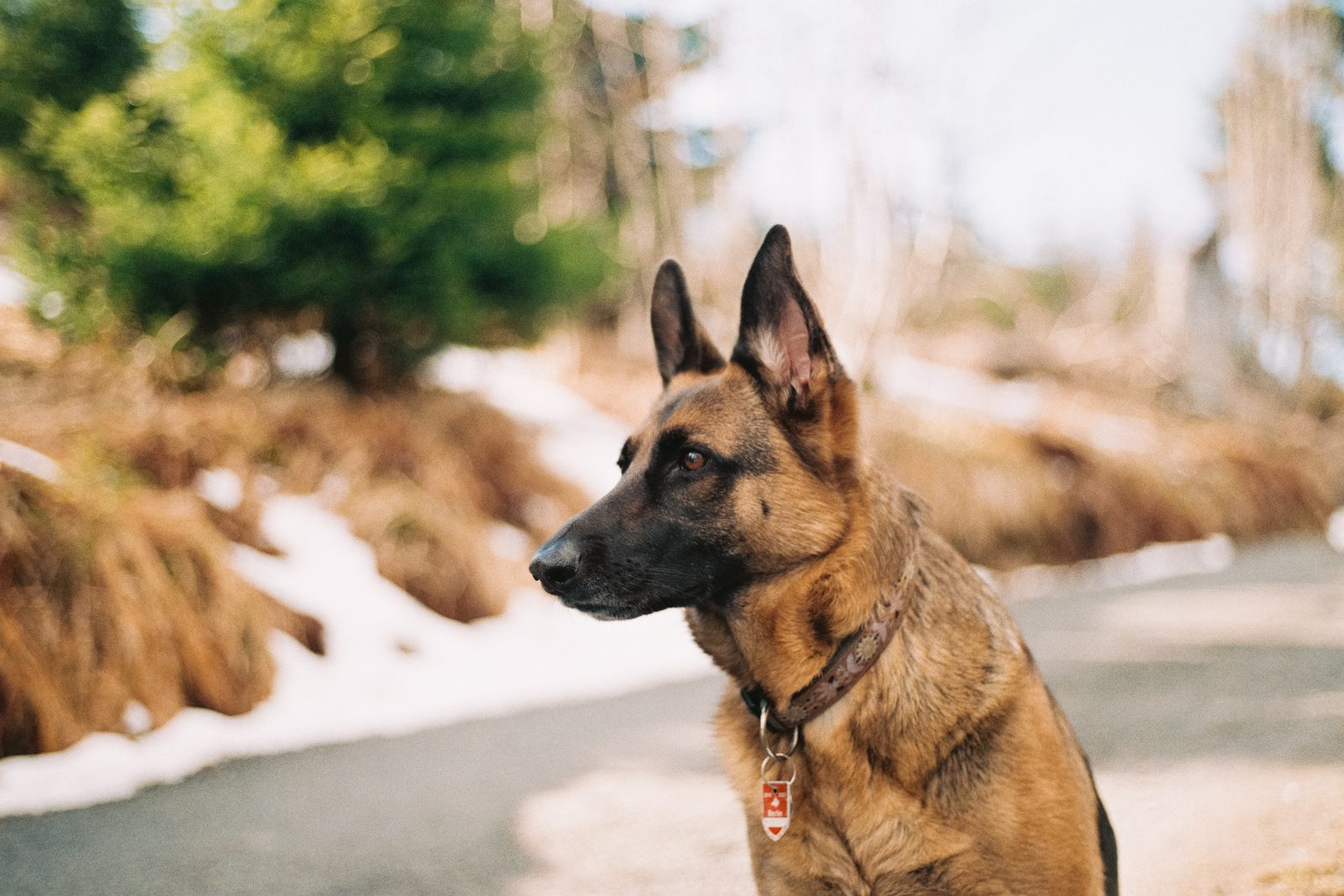
When a Professional Groomer Is Worth It
German Shepherds do not need professional grooming — there is nothing to cut. But there are three situations where it is genuinely good value.
- During a coat blow. A groomer’s bath and high-velocity blow-dry removes an astonishing amount of undercoat in one session — often more than a fortnight of home raking.
- If you physically cannot manage it. Bathing and drying a 38 kg dog is a real job. There is no shame in outsourcing it.
- For a sanitary trim on a long coat. Tidying the feathering under the tail keeps things clean and is fiddly to do yourself.
Ask for a bath, blow-dry and de-shed — no clipping, no shaving. Any groomer who offers to “take a bit off to help with the shedding” is the wrong groomer for this breed. Look for one who is comfortable with large double-coated dogs and, ideally, works fear-free.
The Grooming Year
| Season | What the coat is doing | What you do |
|---|---|---|
| Spring | Winter undercoat comes out in clumps | Daily raking for 2–4 weeks; a bath-and-dry mid-blow works wonders |
| Summer | Lighter coat, steady low-level shedding | Normal 2–3× weekly routine. Check paws for grass seeds. Never shave |
| Autumn | Summer coat out, winter coat coming in | Second blow — daily raking again for a few weeks |
| Winter | Full thick coat, low turnover | Least shedding, most matting risk — keep combing. Rinse salt off paws |
Note the dates of each coat blow in a diary. After a couple of years you can predict them within a fortnight, which makes booking a groomer — or planning around a holiday — considerably easier. The free grooming tracker does the remembering for you.
The Kit, and What to Buy First
We recommend product types and the features that matter rather than sponsored placements, and we link to live Amazon results instead of quoting prices that go stale. As an Amazon Associate we may earn from qualifying purchases — at no extra cost to you.
An undercoat rake
A row of rounded metal teeth that reaches through the guard coat and lifts out dead undercoat without cutting anything. Ten minutes with one of these removes more hair than an hour with an ordinary brush, and it is the single most useful grooming purchase for this breed.
- Removes the layer that actually ends up on your furniture
- Rounded teeth are far kinder to skin than a bladed de-shedder
- One tool, no refills, lasts for years
- Works in the garden, so the hair never comes indoors
See undercoat rakes on Amazon →
Good to know: work with the direction of the coat in short strokes, and stop before the skin goes pink. If the rake drags rather than glides, either you are pressing too hard or that area needs combing first.
| Item | What to look for | Find it |
|---|---|---|
| Slicker brush | Coated pin tips; self-cleaning is a bonus | See options → |
| Metal comb | Wide and fine ends for mat checks | See options → |
| Nail grinder | Quiet motor, two speeds, good battery life | See options → |
| Dog dryer | Force dryer, variable speed, cool setting | See options → |
| Lick mat | Suction cups — turns bath time into snack time | See options → |
7 Mistakes (and the Fix for Each)
❌ 1. Shaving to help with heat or shedding
It removes the insulation that keeps a dog cool and the protection that prevents sunburn, and the coat often grows back wrong.
✅ Fix: rake out the dead undercoat instead. That is what actually makes a Shepherd more comfortable.❌ 2. Bathing before brushing
Water turns loose undercoat into a felted layer that is far harder to remove afterwards.
✅ Fix: always rake thoroughly first, then bath, then rake again once dry.❌ 3. Letting the coat air dry
A double coat holds water against the skin for hours, and that is how hot spots start.
✅ Fix: towel hard then dry properly with a cool setting while brushing, until the undercoat is genuinely dry.❌ 4. Marathon sessions
Forty-five minutes teaches your dog that the rake means a long ordeal.
✅ Fix: ten minutes, ended early on a good note. Two short sessions beat one long one.❌ 5. Skipping the trousers and tail base
The densest coat is in the most awkward places, so they get half a stroke and then mat.
✅ Fix: do those areas first, while your dog is fresh, not last when everyone has run out of patience.❌ 6. Waiting until nails click
By then the quick has grown too, so getting them short again takes months.
✅ Fix: a sliver every two to three weeks. Set a recurring reminder on your phone.❌ 7. Forcing a worried dog
Getting the job done today at the cost of every future session — and eventually a growl.
✅ Fix: two weeks of touch-and-treat, then rebuild slowly. Get help early rather than after the first bite risk.Frequently Asked Questions
How often should I groom my German Shepherd?
Brush two to three times a week normally and daily during the spring and autumn coat blows. Add a weekly ear and skin check, nails every two to three weeks, teeth daily, and a bath every eight to twelve weeks.
Do German Shepherds need professional grooming?
No — nothing on this breed gets cut or styled. Many owners book a groomer once or twice a year for a bath and high-velocity blow-dry during a coat blow, purely because it removes so much undercoat at once. That is convenience, not necessity.
Can I shave my German Shepherd in summer?
No. The double coat insulates against heat as well as cold and protects the skin from sunburn, and shaved coats frequently grow back patchy or woolly. Use shade, water, cool floors and early walks instead. Only shave if your vet needs it done for a medical reason.
How do I get mats out of a long coat?
Tease them apart with your fingers first, then work from the outside edge inwards with a comb, holding the hair close to the skin so you are not pulling. Never rake straight through a mat. Very tight mats are safer removed by a groomer than cut out at home — scissors near skin cause a lot of accidental wounds.
What shampoo should I use?
A plain dog shampoo suited to a normal coat. Human shampoo has the wrong pH. If your dog has itchy or flaky skin, that is a veterinary question rather than a shampoo question — a medicated wash without a diagnosis often just delays finding the cause.
My dog hates having their nails done. What now?
Stop doing nails for a fortnight and just handle paws and pay. Then hold a paw for three seconds and pay. Then bring the clippers out without using them. Rebuild over a few weeks, one nail per session if needed — and in the meantime ask your vet nurse or a fear-free groomer to keep them short.
✅ Your Grooming Checklist
- Undercoat rake, slicker, comb, nail tool, toothbrush — that is the whole kit
- Brush 2–3× weekly, daily during a coat blow
- Comb the mat zones before the rake, every time
- Extra strokes on ruff, trousers, tail base and either side of the spine
- Groom outside whenever the weather allows
- Bath every 8–12 weeks — rake before, dry fully after
- Never let the undercoat air dry
- Nails every 2–3 weeks; no clicking on hard floors
- Weekly ear and skin check; teeth daily
- Paw hair trimmed level with the pads
- Sessions kept to ten minutes and ended on a good note
- Never shave the coat
The Bottom Line
For a breed with this much coat, German Shepherd grooming is remarkably undemanding: nothing is cut, nothing is styled, and the whole routine is ten minutes with a rake a few times a week plus four small jobs on a schedule.
What makes it easy is the part that has nothing to do with tools — a dog who was taught, gently and early, that being handled is normal and pays well. Start there, keep every session short, and grooming stops being a chore and becomes ten quiet minutes in the garden with your dog.
- The grooming schedule — what is due daily, weekly and monthly
- The shedding guide — surviving the twice-yearly coat blow
- Should you shave your German Shepherd? — the straight answer
- Free grooming tracker — never lose track of what is due
Recommended German Shepherd gear for this guide
Deshedding brush for double coats
Best for: Undercoat removal during shedding season
- Reduces loose hair
- Easy clean release
Affiliate link — we may earn a commission, at no cost to you.
Slicker brush for double coats
Best for: Daily maintenance brushing
- Self-cleaning options
- Gentle pins
Affiliate link — we may earn a commission, at no cost to you.
Gentle dog shampoo
Best for: Routine baths
- Gentle formula
- Rinses clean
Affiliate link — we may earn a commission, at no cost to you.

Keep reading
More in Grooming & Shedding →
Should You Shave Your German Shepherd? The Straight Answer
Why shaving a double coat makes a dog hotter rather than cooler, what happens to the coat afterwards,…
German Shepherd Shedding Guide: How Much, When, and What to Do
German Shepherds shed daily and blow coat twice a year. Here's what to expect and the brush routine…
German Shepherd Grooming Schedule (Weekly + Monthly)
A simple, sustainable grooming schedule for a German Shepherd: brushing, baths, nails, ears, dental, parasite check, and seasonal…