Dog Training Videos: What to Watch and What to Ignore
How to tell good online dog training from harmful content, the green flags and red flags, what the edit hides, three topics never to learn from video, how to actually practise from one, and why filming your own dog changes everything.

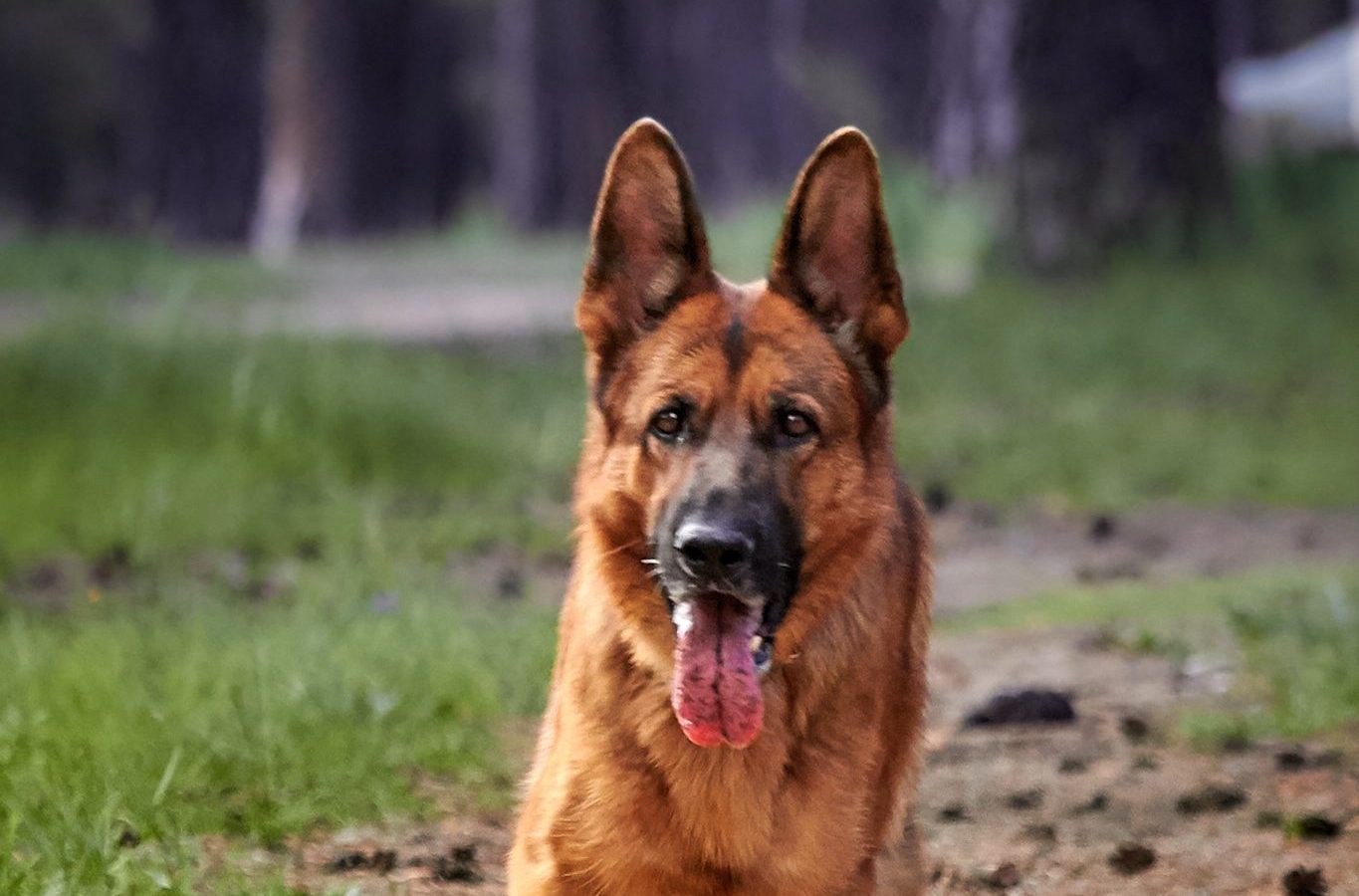
Short answer: watch for the mistakes, not the finished trick
A good training video shows you a dog getting it wrong and the trainer adjusting. A bad one shows a polished thirty-second result with no context, no failures and no timeline. Judge content on whether it tells you what to do when it does not work — that is where all the real learning lives. And never take reactivity, aggression or separation anxiety from a video: those need eyes on your actual dog.
There has never been more free dog training available, and it has never been harder to tell whether any of it is any good. A fifteen-second clip of a German Shepherd performing a flawless recall past a squirrel tells you nothing whatsoever about how to get there — but it is extremely satisfying to watch, and the algorithm knows it.
Video is genuinely one of the best ways to learn dog training. Timing and body mechanics are almost impossible to convey in writing, and being able to watch a hand movement forty times at quarter speed is a real advantage that owners twenty years ago did not have.
The problem is that the format rewards exactly the wrong things. Short, dramatic and conclusive gets shared. Slow, incremental and honest does not. So this guide is about filtering — how to tell useful content from harmful content, what video can and cannot teach, how to actually practise from it, and why filming your own dog is the most underrated training tool you own.
Dog training is unregulated in most of the world. Anyone can call themselves a trainer, and anyone can post advice. A large following is a measure of entertainment value, not competence — some of the most-watched dog accounts are run by people with no qualifications and methods that a veterinary behaviourist would refuse to use.
What Video Is Genuinely Good At
Before the criticism, the credit. There are things video does better than any book, class or article.
⏱️ Timing
The gap between behaviour and marker is measured in fractions of a second. You cannot describe that in a paragraph, but you can see it — and rewind it — on screen.
🖐️ Mechanics
Where the treat hand sits, how the lure moves, which way the handler’s shoulders turn. Small physical details that change everything and no article can convey.
🐕 What “getting it right” looks like
Written descriptions of a loose lead or a settled down-stay are vague. Seeing twenty seconds of one gives you a target you can actually aim at.
🔁 Repetition on demand
You can watch the same three seconds thirty times. In a class you get one demonstration and a lot of hope.
Video is excellent at showing you what a skill looks like and poor at showing you how long it took and what went wrong on the way. Use it for the first and get the second from a longer-form course, a book or a trainer who can watch your actual dog.
Green Flags: What Good Content Looks Like
These are the markers that reliably separate people who train dogs from people who film dogs.
- They show failure. The dog gets it wrong, the trainer lowers the criteria and tries again. This is the single strongest signal of competence.
- They give a realistic timeline. “This took six weeks, twice a day” rather than “here’s how to fix pulling in one session”.
- They break it into stages and tell you what to do if your dog is stuck at stage two.
- They name their credentials and the body that accredits them, without being asked.
- They say when to see a professional — and mean it, rather than using it as a disclaimer.
- The dog looks comfortable. Loose body, ears mobile, offering behaviour voluntarily, able to take food.
- They work with ordinary dogs, not only a personal demo dog who has been trained for eight years.
- Comments are open and disagreement is answered rather than deleted.
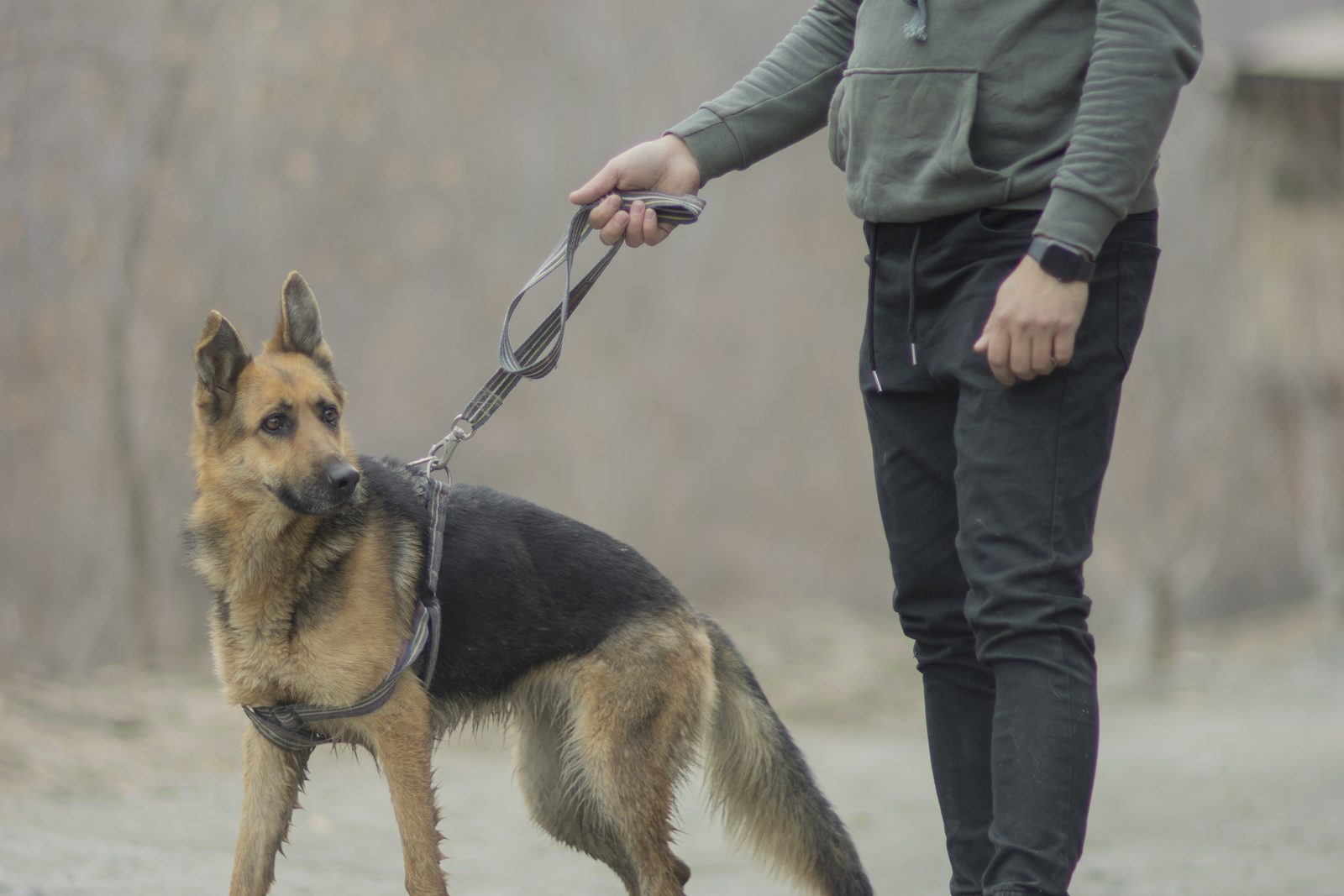
Watch the dog, not the handler. A comfortable dog has a loose body, a soft mouth, mobile ears and will take food readily. A dog who has gone still, tight and slow — who suddenly will not eat — is not calm, they are shut down. Once you can spot that difference, the quality of a video becomes obvious within seconds.
Red Flags: When to Close the Tab
| What you see | Why it is a problem |
|---|---|
| “Fix any behaviour in one session” | Real behaviour change takes weeks. A one-session fix is almost always suppression, and suppression rebounds |
| Dominance and “pack leader” language | Built on captive-wolf research the original scientist retracted decades ago. It signals the whole framework is out of date |
| Prong or electronic collars presented as routine | Major veterinary behaviour bodies advise against them; several countries have banned e-collars outright |
| Alpha rolls or pinning a dog down | A documented route to bites and to fear of the handler, with no benefit over gentler methods |
| A dog who is frozen, whale-eyed or tucked | Stress signals presented as “calm submission”. Learn these signs and half of social media becomes unwatchable |
| No failures shown, ever | Either heavily edited or the dog is far past the stage being taught. You are watching a result, not a method |
| Selling a device as the answer | The gadget is the product, not the training. Be especially wary of anything worn on the neck |
| Contempt for other methods | Confidence is fine; sneering at “cookie pushers” or “abusers” usually means you are watching a personality, not a teacher |
What the Edit Is Hiding
Even honest creators are constrained by the format. Four things are almost always missing, and knowing what they are changes how you watch.
The prior training
The dog performing a flawless heel past a distraction learned to heel eighteen months ago. What you are watching is not the teaching of heel — it is a demonstration by a dog who already knows it. Trying to copy the finished picture with an untrained dog is like trying to copy a concert pianist’s performance rather than their practice.
The takes that did not work
A ninety-second clip may be the twelfth attempt of the afternoon. Nobody is obliged to show the first eleven, and the platform actively punishes them for it.
The dog’s individual history
You do not know whether that dog is naturally confident, food-motivated, from working lines, three years old or eight. All of those change what is achievable and how fast. Your Shepherd is not that Shepherd.
What happened next
The single most important missing piece. A reactive dog who is quiet at the end of a clip may be quiet for six months or may be worse in a fortnight. Almost no content follows up, because follow-up is boring and uncertain.
Anyone can film a dog who has stopped doing something. Very few people will film the same dog eight weeks later.
What Video Cannot Teach You
The fundamental limit is simple: a video cannot see your dog. Training is a conversation, and half of it is reading the animal in front of you and adjusting. A recording cannot do that.
- Discrete skills — sit, down, spin, touch, place, leave it
- Handling mechanics and treat delivery
- Equipment fitting, when filmed properly
- Enrichment and puzzle ideas
- Grooming technique and nail trimming
- Understanding body language, with good commentary
- Anything requiring a read of your dog’s threshold
- Diagnosing why a behaviour is happening at all
- Deciding when to raise or lower criteria
- Fear, anxiety and aggression cases
- Anything where getting it wrong makes it worse
- Telling you that your dog is in pain, not being difficult
Three Topics Never to Learn From Video
For most things, a mediocre video costs you a bit of wasted time. For these three, it can cost you months of progress or a bite.
Aggression of any kind
Towards people, dogs, or over food and possessions. The technique depends entirely on why it is happening, what your dog’s threshold is and what has already been tried — none of which a video can assess.
Do this instead: vet check first to rule out pain, then a referral to a veterinary behaviourist or certified clinical animal behaviourist.
Reactivity on lead
The whole method rests on working under threshold, and only someone watching your dog can tell you where that line is. Work over it and every session makes things worse.
Do this instead: a one-to-one session or a small reactive-dog class, then use video to reinforce what you were taught.
Separation anxiety
Genuine separation distress needs a graduated absence protocol built around your dog’s specific tolerance, measured on camera, adjusted daily. Generic “leave for five minutes” advice frequently sets people back weeks.
Do this instead: a certified separation anxiety trainer. Many work entirely remotely by video call, which is not the same thing as a video at all.
A sudden change in behaviour — new reactivity, reluctance to be touched, snapping when handled, a recall that stops working — is a veterinary question before it is a training question. Hip and elbow pain, ear infections, dental disease and thyroid problems all present as “behavioural” in this breed. No video can rule that out, and training a dog who hurts simply teaches them to hide it.
How to Actually Train From a Video
Most people watch forty minutes of content and train for four. Reverse that ratio and video becomes genuinely powerful.
- Pick one skill. One. Not a playlist. Working three new things at once is why nothing sticks.
- Watch it twice with the sound off. Once for the dog, once for the handler’s hands. You will notice mechanics you completely missed with commentary running.
- Write down the stages in your own words. If you cannot list them, the video did not actually teach a method.
- Train for three minutes in a boring room, then stop. Short and frequent beats long and occasional, always.
- Get five successes in a row before you make it harder. This one rule prevents most of the frustration owners report.
- If it fails twice, make it easier — closer, slower, quieter, better treats. Never repeat a failing rep hoping it will land.
- Film yourself doing it and watch that back. See below, because this is the part that changes everything.
Best Topics to Learn This Way
If you want a shortlist of things that genuinely transfer well from screen to living room with a German Shepherd, start here.
| Skill | Why video suits it | Realistic timeline |
|---|---|---|
| Hand target / touch | Pure mechanics; hard to get wrong; useful for a hundred other things | 2–3 days |
| Go to mat / place | Clear staged progression that films well | 2–3 weeks |
| Cooperative care — nails, ears, teeth | You need to see the hand position and the consent signal | 4–8 weeks |
| Scentwork basics | Genuinely well taught online, and ideal for this breed | Ongoing, rewarding from day one |
| Loose lead mechanics | Watching the handler’s feet and rewarding position helps enormously | Months — expect it to be slow |
| Tricks and shaping | Low stakes, high fun, excellent way to learn timing | Days per trick |
| Enrichment ideas | Nothing to get wrong; pure inspiration | Immediate |
Free Content Versus Paid Courses
Free content is excellent for ideas and terrible for structure — you get scattered techniques with no ordering, and no way to know which came from someone competent. A well-made paid course buys you sequence: what to teach first, what depends on what, and what to do when your dog is stuck.
That said, the most valuable thing you can buy is usually not a course at all. It is one or two sessions with a good local trainer who watches your actual dog, plus free content afterwards to reinforce what you were shown. That combination outperforms almost any amount of watching.
Check what happens if it does not work — refund terms, and whether you get any human contact or just a video library. Be sceptical of “guaranteed results”, lifetime access to material that is never updated, and any course that leans on testimonials rather than showing you the actual teaching. And check the trainer’s accreditation before, not after.
Film Your Own Dog — the Best Trick Here
This is the part almost nobody does, and it is worth more than any content you will ever watch. Set a phone on a shelf, record three minutes of training, and watch it back.
What owners consistently discover is uncomfortable and extremely useful: they are late with the marker by half a second, they repeat the cue three times without noticing, their treat hand moves before the dog responds, they lean over the dog, they talk constantly, and their sessions run four times longer than they thought.
🎯 Fix your timing
Watch back at quarter speed and count the gap between the behaviour and your marker. Closing that gap does more for your training than any new technique.
📉 See your real session length
Almost everyone trains for far longer than they believe. Film it once and you will start stopping at three minutes.
🐾 Spot the stress signals
Lip licks, yawns, turning away, slowing down. Easy to miss live, obvious on replay — and they tell you to make it easier.
📊 Prove progress you cannot feel
Week-one and week-eight footage of the same exercise is the best motivation there is, especially with a slow skill like loose lead walking.
There is a second use worth knowing about: if you ever do consult a behaviourist, footage of the actual problem is enormously valuable to them. Most behaviour does not happen in a consulting room, and a good clip of your dog at the window, at the door, or on the lead saves an entire session of guesswork.
Kit for Filming Your Sessions
Flexible phone tripod with a bluetooth remote
You already own the camera. What you need is a way to point it at yourself while both hands are busy with a lead and a treat pouch. A bendable-leg tripod wraps around a fence post, a chair back or a door handle, holds your phone at dog height, and the little bluetooth remote in your pocket means you can start and stop without walking back to it and ruining the session. Under twenty dollars, and it will improve your handling more than any gadget you could put on your dog.
- Reveals timing errors you genuinely cannot feel live
- Shows your real session length, which is always longer than you think
- Captures body language you miss while handling
- Gives a behaviourist real footage of the actual problem
- Documents progress on slow skills like loose lead walking
Good to know: film in landscape and stand far enough back that both you and your dog are fully in frame — the most useful footage shows your feet and hands as well as the dog. And keep the clips; the week-one footage is worth a lot in month three.
| Item | What it is for | What to look for | Find it |
|---|---|---|---|
| Phone tripod | Filming your own sessions from dog height | Flexible legs, bluetooth remote | See options → |
| Treat pouch | Removes the two-second delay that ruins timing | One-handed open, belt clip | See options → |
| Clicker | Precision marking while you learn timing | Box or button, wrist strap | See options → |
| Long line | Practising recall safely between sessions | 10–15 m biothane | See options → |
| Training mat | Gives place work a clear, portable target | Non-slip, washable, large | See options → |
7 Mistakes (and the Fix for Each)
The fix: one video, one skill, then close the app and do three minutes. Consumption feels like progress and is not.
The fix: pick one approach and give it six to eight weeks. Most “nothing works” cases are five half-finished plans stacked on top of each other.
The fix: find the stage your dog is at and train that. The polished demo is the destination, not the route.
The fix: judge it by whether they show failures, give timelines and name their accreditation. Reach measures entertainment, not competence.
The fix: vet check, then a qualified behaviourist. These are the cases where getting it wrong actively makes things worse.
The fix: learn stress signals first. It is the one skill that makes every other video easier to evaluate in seconds.
The fix: prop up a phone this week. Your late marker, your repeated cues and your ten-minute sessions are all invisible until you watch them back.
Frequently Asked Questions
Can you actually train a dog from videos?
For discrete skills — sit, down, place, hand targets, tricks, scentwork basics, cooperative care — yes, very effectively. For anything requiring you to read your own dog’s threshold, particularly reactivity, aggression and separation anxiety, no. Those need someone watching your dog, in person or on a live call.
How can I tell if a dog trainer online is any good?
Look for three things: they show the dog getting it wrong, they give realistic timelines, and they name their accreditation without being asked. Then watch the dog rather than the handler — a comfortable dog has a loose body and takes food readily. Stillness is not the same as calm.
Are free training videos as good as a paid course?
Free content is better for ideas; paid courses are better for sequence — knowing what to teach first and what to do when your dog is stuck. But the best value is usually one or two sessions with a good local trainer who sees your dog, backed up by free content afterwards.
Why does the technique work in the video but not for my dog?
Usually because the demo dog already had the foundations, the clip skipped the stages, or your dog is being asked at a difficulty level they are not ready for. Go back a stage, make it easier, and get five clean successes before adding anything.
How long should a training session with a German Shepherd be?
Three to five minutes, several times a day, is far more effective than one long session. Shepherds concentrate hard and get frustrated when sessions drag. Film one and you will almost certainly find you were training for three times longer than you thought.
Should I film my own training sessions?
Yes — it is the single most useful thing in this article. You will see late markers, repeated cues, sessions that ran too long and stress signals you missed live. It also gives a behaviourist real footage of the problem if you ever need one.
✅ Your Video Training Checklist
- Creator’s accreditation checked, not their follower count
- Video shows mistakes and corrections, not just results
- A realistic timeline is stated
- The dog looks loose, mobile and able to take food
- No dominance or pack-leader framing
- No prong or electronic collars presented as normal
- One skill chosen — not a playlist
- Stages written down in your own words
- Sessions kept to 3–5 minutes
- Five clean successes before raising difficulty
- Difficulty lowered after two failures, never repeated harder
- Aggression, reactivity and separation anxiety referred to a professional
- Vet check done for any sudden behaviour change
- Your own sessions filmed and reviewed
The Bottom Line
There is genuinely good dog training available online for nothing, and there is content that will make your German Shepherd worse. The difference is not production quality or follower count — it is whether the person shows you the messy middle.
So watch for failures, timelines and stages. Watch the dog’s body, not the handler’s confidence. Keep aggression, reactivity and separation anxiety away from the internet entirely and get eyes on your actual dog. And train far more than you watch, in three-minute pieces, with the difficulty low enough that your dog keeps winning.
Then do the one thing almost nobody does: prop your phone against something and film yourself. The most useful dog training video you will ever watch is the one with your own dog in it.
- Training your German Shepherd — the full method, age by age
- The Dog Whisperer method — what the evidence says about it
- Recall training — the long line and the reward history
- Enrichment ideas — for the mental half of the work
Recommended German Shepherd gear for this guide
Training treat pouch with clip
Best for: Hands-free training sessions
- Magnetic close
- Clip-on belt
Affiliate link — we may earn a commission, at no cost to you.
Low-calorie training treats
Best for: High-frequency reward training
- Soft, easy to break
- Quick consumption
Affiliate link — we may earn a commission, at no cost to you.
Long training line (30ft)
Best for: Recall practice in safe open areas
- Builds recall
- Lightweight options
Affiliate link — we may earn a commission, at no cost to you.

Keep reading
More in Training →
The Dog Whisperer Method: What It Is and What Modern Behaviour Science Says
What the Cesar Millan method actually consists of, the parts that genuinely work, why dominance and pack leader…
Watchdogs vs Guard Dogs: The Honest Difference
What separates a watchdog from a guard dog, what German Shepherds actually are, why protection training is wrong…
Training Your German Shepherd: The Complete Owner Guide (Every Age)
How to train a German Shepherd at any age: marker training, five-minute sessions, the ten cues that matter,…