Healthcare for Your German Shepherd: Checks, Vaccines and Warning Signs
A practical health guide: the five-minute weekly home check, what normal looks like, six emergency signs, vet care by life stage, vaccinations and parasites, and the conditions this breed is prone to.

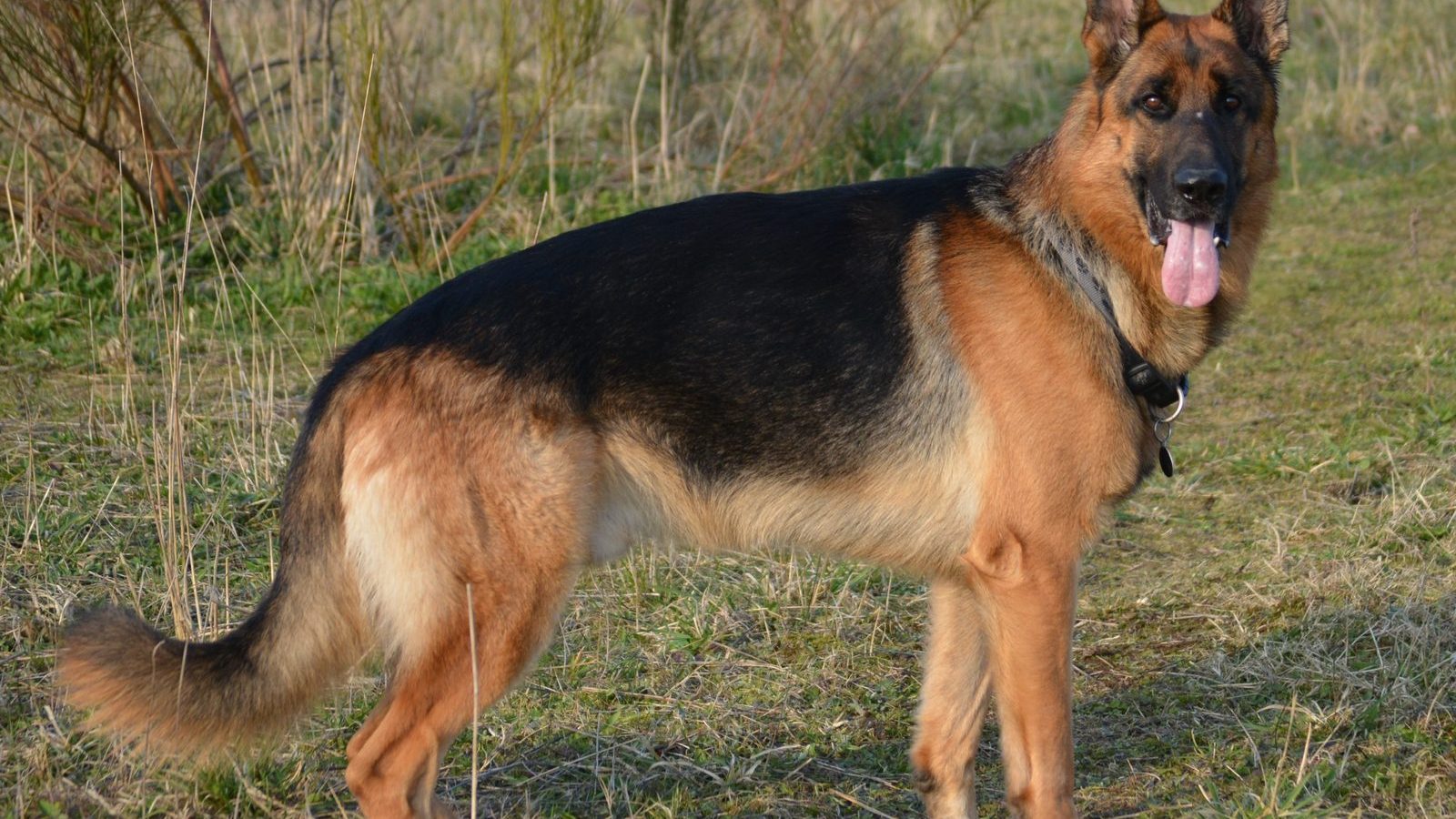
Short answer: one weekly home check and never skip the annual visit
Most German Shepherd health problems are caught at home first — by an owner who runs their hands over the dog every week and notices something new. Add annual check-ups (twice yearly from about seven), keep vaccinations and parasite control current, keep your dog lean, and learn the handful of signs that mean “ring the vet now” rather than “wait and see”. That combination catches almost everything early.
Dogs are frustratingly stoic. A German Shepherd will carry on greeting you at the door, eating dinner and asking for a walk while quietly dealing with a sore tooth, an arthritic hip or an ear infection. They do not tell you. They just get slightly quieter, and most owners put it down to age or weather.
Which is why the person best placed to catch a problem early is you, not your vet. You see this dog every day. Five minutes a week with your hands on them, and a clear idea of what normal looks like, turns you into a genuinely useful early-warning system.
This guide gives you the weekly home check, what to expect at each life stage, vaccinations and parasite control in plain English, the conditions this breed is prone to, the emergency signs worth memorising, and how to get more out of a ten-minute appointment.
This is owner information to help you notice things and ask better questions. It cannot diagnose anything, and it does not replace your vet — who knows your individual dog, your local disease risks and your country’s protocols. When this guide and your vet disagree, follow your vet. And never give human medication to a dog: several common painkillers are toxic to them.
The Five-Minute Weekly Check
Do it during a grooming session so it never becomes a separate chore. Work nose to tail in the same order every time — the order is what stops you skipping bits.
Clear and bright, both the same. A little clear discharge after sleep is fine. Redness, squinting, cloudiness, or green-yellow discharge is a vet call — see red eyes in dogs.
Erect ears get good airflow, so problems are less common than in floppy breeds. Look for redness, dark waxy discharge, a yeasty smell, or head shaking.
Wet or dry does not matter much. Thick or coloured discharge, noisy breathing at rest, or coughing does — see breathing noises explained.
Lift the lip: gums pale pink, no red line, no brown crust on the big back teeth. Full guide in teeth and gums.
Hands over the whole dog. New lumps, scabs, hot patches, fleas, ticks, or thinning hair. Note where anything is so you can tell whether it changes.
Between the toes for grass seeds, cuts and grit. Nails should not touch the floor when standing — clicking means too long.
Ribs easily felt, waist visible from above, belly tucked from the side. This one check does more for lifespan than anything else on the list.
You are not trying to diagnose anything. You are building a mental picture of normal for this dog, so that when something changes you notice it in week one rather than month six.
What Normal Looks Like
| Measure | Typical adult range | How to check |
|---|---|---|
| Temperature | About 38–39.2°C (100.5–102.5°F) | Rectal thermometer, lubricated — ask your vet nurse to show you once |
| Heart rate | Roughly 60–120 bpm at rest for a large breed | Hand on the chest behind the left elbow, count for 15 seconds × 4 |
| Breathing at rest | About 10–30 breaths a minute | Count chest rises while your dog sleeps — useful to know their baseline |
| Gum refill time | Under 2 seconds | Press the gum until pale, release, count until colour returns |
| Water intake | Steady day to day | Note roughly how often you refill the bowl. A clear increase matters |
| Toileting | Formed stools, normal-coloured urine | Straining, blood, or a sudden change in frequency = vet |
Write your own dog’s resting figures down once while they are well. “Normal” varies between individuals, and a baseline you measured yourself is far more useful than a range from the internet.
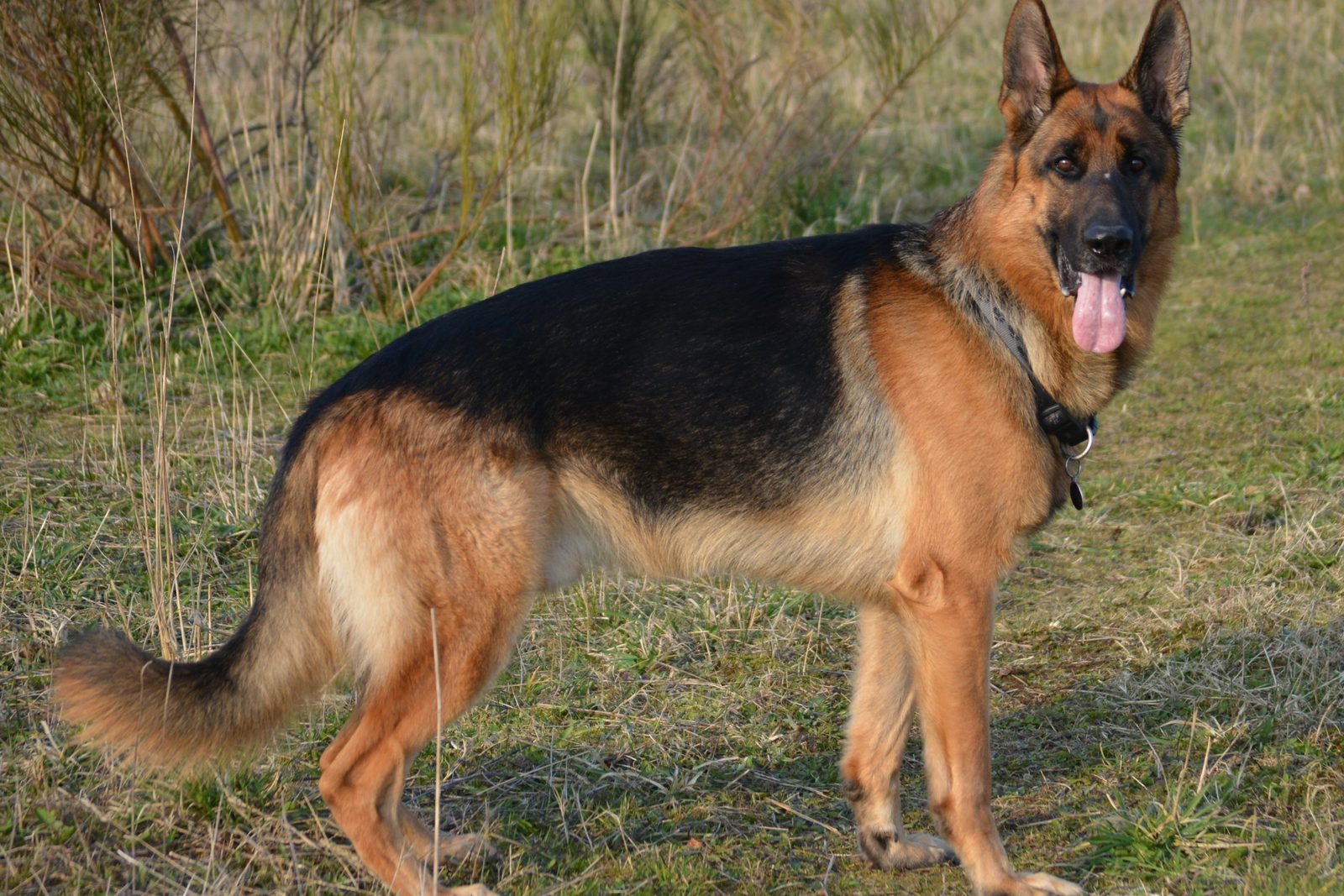
Six Signs to Ring Immediately
Put your vet’s number and your nearest out-of-hours emergency service in every adult’s phone today. These are the situations where minutes genuinely matter.
1. Bloat (GDV). Swollen, hard, drum-like belly · repeated retching that brings nothing up · restless pacing, unable to settle · heavy drooling · looking at their own flank. Deep-chested breeds are at higher risk and this can be fatal within hours.
2. Heatstroke. Frantic panting · bright red gums · thick drool · wobbling or collapse · vomiting. Move to shade, cool water over them, ring on the way.
3. Breathing difficulty. Struggling for breath, blue or grey gums, choking, or noisy laboured breathing at rest.
4. Suspected poisoning. Chocolate, grapes or raisins, xylitol, antifreeze, rat bait, human medication, certain plants. Ring first — do not try to make your dog sick unless told to.
5. Serious injury or heavy bleeding. Road traffic accident, a wound that will not stop bleeding, a suspected fracture, or any dog who cannot stand.
6. Collapse, seizure, or sudden inability to use the back legs. Including a first-ever seizure, or one lasting more than a few minutes.
Slightly less urgent, but same-day: not eating for 24 hours, repeated vomiting or diarrhoea, straining to urinate, a swollen painful eye, or a sudden change in behaviour in an older dog.
Vet Care by Life Stage
| Stage | Vet contact | What is usually covered |
|---|---|---|
| Puppy (8 wks–6 mths) | Several visits | Vaccination course, microchip check, worming and flea control, growth and weight, first dental look, neutering discussion |
| Adolescent (6–18 mths) | Annual + as needed | Booster, retained puppy teeth, weight and growth, neutering timing, any joint concerns |
| Adult (2–6 yrs) | Annual | Full physical, weight, teeth, vaccination review, parasite plan, lumps checked |
| Senior (7+ yrs) | Every 6 months | All of the above plus mobility and pain assessment, blood and urine screening, and closer weight monitoring |
Ask your practice about a health plan if they offer one — most bundle vaccinations, parasite control and check-ups at a lower monthly cost, and the built-in reminders mean things do not get forgotten. Our senior care guide covers the older years in detail.
Vaccinations and Parasites
Specific vaccines, schedules and parasite risks vary enormously by country and even by region — ticks, lungworm, heartworm and leptospirosis are all local questions. What follows is the shape of it; your vet fills in the detail.
Vaccinations
Puppies get a course of injections, usually starting around six to nine weeks and finishing a few weeks later, followed by boosters. Core vaccines protect against the serious, widespread diseases — distemper, parvovirus, adenovirus, and rabies where required by law. Non-core ones depend on lifestyle and region: leptospirosis, kennel cough, Lyme disease.
Two practical points. First, ask your vet when it is safe to walk your puppy in public — the answer depends on the vaccine used and local disease levels, and it is a thirty-second phone call. Second, if you are travelling abroad, start the paperwork months ahead; rabies vaccination and health certificates have waiting periods.
Parasites
- Fleas — treat all pets in the house and the environment, not just the itchy one. Flea dirt on the coat looks like black specks that turn red on damp paper.
- Ticks — check after walks in long grass, especially around the head, ears, armpits and between toes. Remove with a tick tool by twisting, never by pulling or burning.
- Worms — roundworm, tapeworm, and in many regions lungworm and heartworm. Frequency depends on your dog’s lifestyle; slug-and-snail eaters need a specific lungworm plan.
- Mites — cause of some itchy ears and skin. Diagnosed by your vet, not by eye.
Some cat flea treatments are lethal to dogs and some dog products are lethal to cats. Dose by current weight — a treatment that suited a 20 kg adolescent is under-dosing a 38 kg adult — and buy from a vet or a reputable pharmacy rather than an unknown online seller.
Conditions This Breed Is Prone To
Knowing these does not mean expecting them. It means you ask the right questions of a breeder and spot the early signs if they ever appear.
| Condition | Early signs | What helps |
|---|---|---|
| Hip & elbow dysplasia | Bunny-hopping gait, stiffness after rest, reluctance to jump | Health-tested parents, lean body weight, joint-friendly exercise while growing |
| Bloat (GDV) | See the emergency box above | Split meals, calm mealtimes, know the signs. Discuss preventive gastropexy with your vet |
| Degenerative myelopathy | Back legs scuffing or crossing, weakness, usually 8+ years | DNA testing exists for breeding; physio and mobility support help quality of life |
| Digestive sensitivity / EPI | Chronic loose stools, weight loss despite a big appetite | One consistent food; a specific blood test can diagnose EPI, which is very treatable |
| Skin and ear allergies | Licking paws, scratching, recurrent ear infections | Early veterinary investigation beats years of trying shampoos — see yeast infections |
| Arthritis | Slow to rise, stiff mornings, shorter walks | Weight control, non-slip floors, proper pain assessment — see arthritis in dogs |
| Anal furunculosis | Licking under the tail, pain passing stools | Over-represented in this breed. Needs veterinary treatment, and early is much better |
Weight: The Biggest Lever You Control
Of everything in this guide, keeping your dog lean has the strongest evidence behind it. Excess weight loads joints that are already a breed weak point, and studies in dogs have linked leaner body condition with living longer and developing arthritis later.
It is also the easiest thing to get quietly wrong. Neutering typically reduces calorie needs by 10–20%; metabolism slows with age; treats do not get counted. Weigh the food, keep treats under 10% of daily calories, and use the ribs-and-waist check every fortnight — the full method is in our feeding guide. Most vet practices will let you use their scales for free, which turns a guess into a trend.
Getting More From a Ten-Minute Appointment
Appointments are short and dogs behave differently in a clinic. A little preparation changes what your vet can do with the time.
- Write your three main questions down beforehand
- Take video of the limp, cough or odd behaviour at home
- Know when it started and whether it is getting worse
- Bring the food packaging or a photo of the label
- List every supplement and treatment, including supplements
- Ask “what would make you want to see him again sooner?”
- Saving the real worry for the doorway on the way out
- Hiding a raw diet or an online medication
- Assuming the vet will spot something you have not mentioned
- Guessing weight rather than using their scales
- Stopping medication early because your dog seems better
- Googling a diagnosis instead of ringing to ask
The video tip is the one that surprises owners most. Ten seconds of your dog getting up from the kitchen floor tells a vet far more than the same dog trying to look brave on a consulting table. The free health reminder tracker keeps dates, weights and notes in one place.
A Home Health Kit
We recommend product types and the features that matter rather than sponsored placements, and we link to live Amazon results instead of quoting prices that go stale. As an Amazon Associate we may earn from qualifying purchases — at no extra cost to you.
A dog first aid kit
Not a substitute for a vet — a way of managing the twenty minutes before you get there. A proper kit with bandaging, a tick remover, a thermometer and a foil blanket, kept somewhere everyone in the house knows about, is one of those purchases you make once and are extremely glad of later.
- Lets you control bleeding and protect a wound on the way to the vet
- A tick tool removes ticks properly instead of leaving mouthparts behind
- A thermometer turns “he feels warm” into an actual number
- Write your vet and out-of-hours numbers on the lid
See first aid kits on Amazon →
Good to know: a kit is for stabilising, not treating. Never give human painkillers, never use a human antiseptic without asking, and ring the practice on your way rather than after you arrive.
| Item | What it is for | Find it |
|---|---|---|
| Digital thermometer | A real number instead of a guess | See options → |
| Tick removal tool | Twist-out removal without leaving mouthparts | See options → |
| Self-adhesive bandage | Covering a paw or leg wound temporarily | See options → |
| Buster / recovery collar | Stops licking after an injury or operation | See options → |
| Bathroom scales | Weigh yourself, then holding the dog — trend tracking at home | See options → |
7 Mistakes (and the Fix for Each)
❌ 1. Waiting to “see if it settles”
A limp, a lump or a change in drinking that gets a fortnight of observation is a fortnight the problem had to grow.
✅ Fix: ring and describe it. Practices are happy to advise whether it can wait — that call is free and takes two minutes.❌ 2. Skipping the annual check because the dog seems fine
The point of the check is to find what you cannot see — heart murmurs, dental disease, early lumps.
✅ Fix: book the next one as you leave, and move to twice yearly from about seven.❌ 3. Letting weight creep
An extra kilo a year for five years is a different dog, and it lands on the joints this breed is already prone to.
✅ Fix: fortnightly ribs check, monthly weigh-in, portions adjusted by 10% at a time.❌ 4. Human medication
Ibuprofen and paracetamol are toxic to dogs, and even “safe” doses of some human drugs are not safe for them.
✅ Fix: nothing from your own cupboard, ever. Ring the vet for pain relief that is actually licensed for dogs.❌ 5. Not knowing where the emergency vet is
Finding out at 2am, in a panic, with a poorly dog in the back of the car.
✅ Fix: save both numbers in every adult’s phone and pin the address on the fridge today.❌ 6. Stopping antibiotics early
The dog looks better on day four, so the last three days get skipped, and the infection comes back stronger.
✅ Fix: finish the course exactly as prescribed, and ring if side effects make that difficult.❌ 7. Buying supplements instead of a diagnosis
Months of joint powders or skin oils while an actual, treatable condition goes uninvestigated.
✅ Fix: diagnose first, then ask your vet which supplement — if any — is worth adding.🎥 Film the symptom
Limps and coughs vanish in the consulting room. Ten seconds of video at home is worth more than any description.
📓 Keep a one-line log
Date, what you noticed, what changed. Patterns become obvious that memory would never catch.
⚖️ Use the free scales
Most practices let you drop in. Monthly weights turn a hunch into a trend line.
💷 Sort insurance early
Before anything is diagnosed — pre-existing conditions are excluded everywhere. Read what “lifetime” cover means.
Frequently Asked Questions
How often should a German Shepherd see a vet?
Several visits as a puppy for the vaccination course, then annually as an adult, moving to every six months from around seven years. Dogs age faster than we do, and twice-yearly checks in later life catch things that a full year would let develop.
What health problems are German Shepherds prone to?
Most commonly hip and elbow dysplasia, bloat, digestive sensitivity including EPI, skin and ear allergies, degenerative myelopathy in older dogs, and anal furunculosis. Buying from health-tested parents and keeping your dog lean are the two biggest things you can do about that list.
When can my puppy go for walks after vaccinations?
Ask your vet — it depends on the vaccine used and local disease levels, and is usually a week or two after the final puppy injection. Until then, carried outings and your own garden let you socialise safely.
Should I neuter my German Shepherd, and when?
It is a genuine discussion rather than an automatic yes or no. For large breeds, timing can affect joint development and some health risks, and the right answer depends on your dog’s sex, behaviour, lifestyle and health. Have the conversation with your vet rather than following a fixed age from the internet.
Is pet insurance worth it for this breed?
Large breeds cost more to treat, and this one has several conditions that can become long-term. Whatever you choose, arrange it before any symptoms appear — every policy excludes pre-existing conditions — and read carefully how the policy handles ongoing conditions year after year.
My dog seems fine but is slowing down. Is that just age?
Treat “just age” as a hypothesis, not a conclusion. Slowing down is frequently pain — most often arthritis or dental disease — and both are treatable. Ask specifically for a pain assessment and take a video of your dog getting up at home.
✅ Your Healthcare Checklist
- Five-minute home check weekly: eyes, ears, nose, mouth, skin, paws, condition
- Baseline temperature, heart and breathing rates written down while well
- Vet and out-of-hours numbers in every adult’s phone
- Six emergency signs memorised — especially bloat
- Annual check-ups, moving to every six months from seven
- Vaccinations and parasite control current for your region
- Treatment doses matched to current weight
- Monthly weigh-in; fortnightly ribs-and-waist check
- Insurance arranged before anything is diagnosed
- Video taken of any limp, cough or odd behaviour
- Three questions written down before each appointment
- No human medication — ever
The Bottom Line
Good healthcare for a German Shepherd is not complicated medicine. It is five minutes a week with your hands on your dog, a diary that says when the next check-up is, portions that keep them lean, and the confidence to ring rather than wait when something changes.
This is a breed that will not tell you when something hurts. Your job is not to diagnose — it is to notice, and to notice early. Almost everything on the list of things that go wrong with German Shepherds is easier, cheaper and kinder to treat in week one than in month six.
- Teeth and gums — the most preventable problem of all
- Arthritis in dogs — spotting and managing joint pain
- Toxic things to keep away from your dog — the home checklist
- Free health reminder tracker — checks, weights and notes in one place
Recommended German Shepherd gear for this guide
Orthopedic large dog bed (memory foam)
Best for: Joint comfort and stretch-out sleep
- Pressure relief
- Washable cover
- Non-slip base
Affiliate link — we may earn a commission, at no cost to you.
Folding dog ramp for SUVs
Best for: Senior or post-injury vehicle access
- Folds flat
- Non-slip surface
Affiliate link — we may earn a commission, at no cost to you.
Quiet nail grinder
Best for: Smooth nail maintenance
- Quiet motor
- Multiple speeds
Affiliate link — we may earn a commission, at no cost to you.

Keep reading
More in Health & Senior Care →
German Shepherd Teeth and Gums: Cleaning, Problems and What Vets Look For
How to keep a German Shepherd's teeth healthy: what a healthy mouth looks like, the ten-second weekly check,…
Senior German Shepherd Care: Comfort, Mobility, Daily Setup
Practical changes that keep a senior German Shepherd comfortable — bedding, traction, routine adjustments, and when to call…
Dog Food Labels Explained: How to Read the Ingredient List Properly
Decode any dog food bag in ninety seconds: complete vs complementary, how ingredient lists really work, what meat…