SARDS in Dogs: Sudden Blindness Explained
What SARDS is, the signs owners notice first, how it is diagnosed with an ERG, what is known and unknown about the cause, the honest position on treatment, and how to help a newly blind dog adjust.

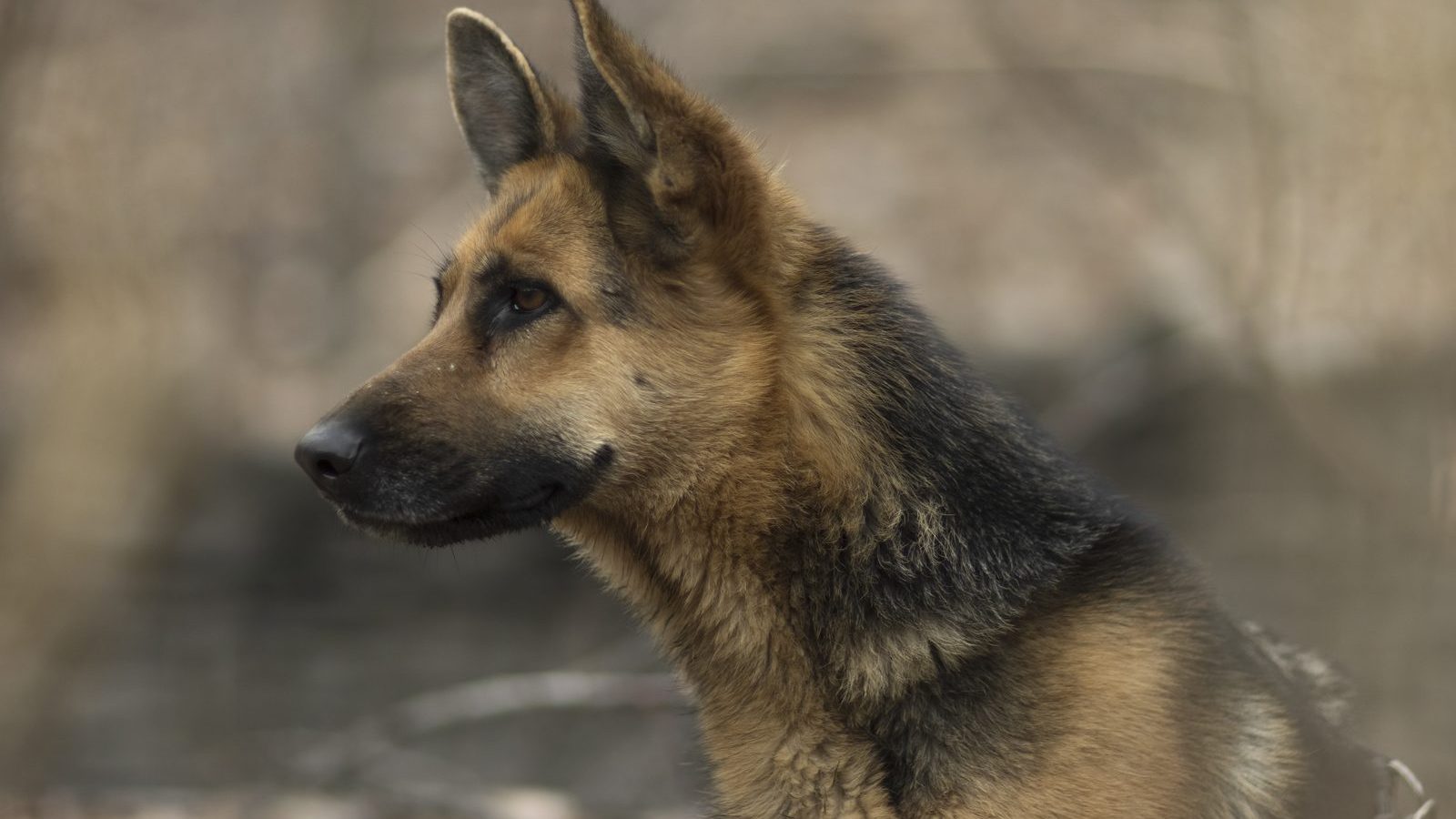
Short answer: sight is lost over days to weeks, the eyes look normal, and dogs adapt far better than owners expect
SARDS — sudden acquired retinal degeneration syndrome — causes rapid, permanent blindness in dogs, often over just a few days. The retina stops working while the eye itself looks completely normal, which is why it is so often missed at first. There is no proven treatment and no cure. What there is, genuinely, is a good life afterwards: most dogs adjust within weeks and go on to be perfectly happy.
It usually starts with something small and confusing. The dog walks into a door frame. Misses a treat thrown gently towards them. Hesitates at the top of the stairs they have used for eight years. Within a week or two they are clearly bumping into things — and when you look at their eyes, they look completely normal, which somehow makes it more frightening rather than less.
This is one of the harder things to be told at a vet appointment, partly because the diagnosis comes with an unusually blunt piece of news: there is currently no treatment that has been shown to restore vision. Owners are handed a permanent change with nothing to fix.
So this guide does two jobs. It explains what SARDS is, how it is diagnosed and what is and is not known about it — honestly, including where the evidence is thin. And it covers the part that actually helps: how to live with a newly blind dog, which is a subject with a great deal of good news in it.
Sudden vision loss is always an urgent veterinary appointment. Several causes are treatable if caught quickly — including glaucoma, retinal detachment, inflammation and high blood pressure — and some are emergencies. Nothing on this page can diagnose your dog, and no article should delay that phone call by a single day.
What SARDS Is
The retina is the light-sensitive layer at the back of the eye that turns light into signals for the brain. In SARDS, the photoreceptor cells in that layer degenerate rapidly and permanently, over days to a few weeks.
The confusing part for owners — and the reason it is so often missed at home — is that the eye looks entirely normal. There is no redness, no cloudiness, no discharge, no obvious injury. In the early stages the back of the eye can look normal even to a vet examining it, which is why a specialist test is needed to confirm what is happening.
It is not painful. That is worth saying clearly, because owners often assume blindness this sudden must hurt. SARDS itself does not cause pain — which is one reason affected dogs so often carry on eating, greeting and wagging while their sight disappears.
Two features define it: very fast onset, and a normal-looking eye. Any dog losing vision quickly needs an urgent appointment — but that combination is what makes SARDS part of the conversation.
The Signs Owners Notice First
| What you see | Why it happens |
|---|---|
| Bumping into furniture and door frames | The most obvious sign, and usually the one that prompts the appointment |
| Hesitating at steps or kerbs | Depth perception goes first in many dogs |
| Startling when touched | They no longer see you approach |
| Missing thrown food or toys | Often noticed before anyone realises sight is the issue |
| Worse in dim light at first | Rod cells are affected early, so night vision often goes before day vision |
| Wide, staring pupils | Dilated pupils that respond poorly or sluggishly to light |
| Reluctance to move about | An understandable loss of confidence in familiar spaces |
| Drinking, eating and urinating more | Frequently reported alongside SARDS — an important thing to mention to your vet |
That last row matters. Many owners of dogs later diagnosed with SARDS report that in the weeks beforehand their dog was drinking more, eating more, panting, gaining weight or urinating more — signs that overlap with hormonal conditions such as Cushing’s. Whether that is coincidence, a shared underlying process, or something else is one of the open questions about this condition, and it is well worth telling your vet if you have noticed it.
Which Dogs Get It
SARDS is uncommon, and it does not affect all dogs equally. The pattern reported most often in veterinary literature is:
- Middle-aged to older dogs, most commonly around seven to ten years.
- More often female than male.
- Often overweight at the time of diagnosis.
- Small and medium breeds are over-represented — Dachshunds, Miniature Schnauzers, Pugs and mixed breeds appear frequently — though it has been reported in many breeds including large ones.
- It is not considered inherited in the way progressive retinal atrophy is, and there is no screening test to predict it.
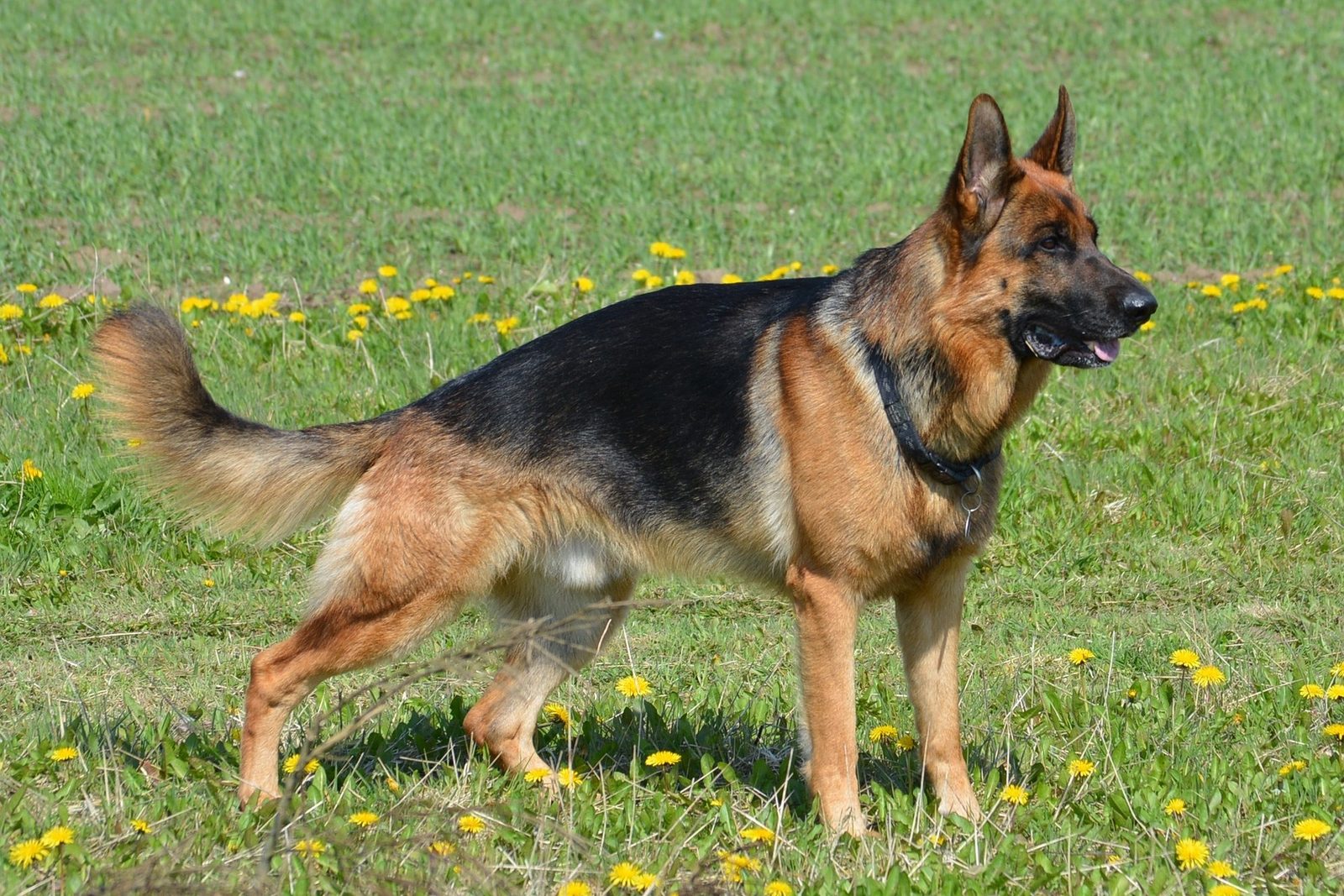
For German Shepherd owners specifically: SARDS is not one of the conditions this breed is particularly known for. Sudden vision loss in a Shepherd is more likely to have another cause — which is exactly why the diagnostic process below matters so much.
How It Is Diagnosed
Your vet checks for the treatable causes of sudden blindness: glaucoma, retinal detachment, uveitis, cataract, bleeding, high blood pressure and neurological disease. Some of these are emergencies.
Pupil responses, pressures, and a look at the back of the eye. In early SARDS the retina can appear normal — which is itself informative.
High blood pressure is a treatable cause of sudden blindness and must be excluded. Bloods may also show changes worth investigating, particularly given the hormonal overlap.
For an electroretinogram (ERG) — the test that measures whether the retina responds to light at all. In SARDS the ERG is flat.
If the ERG shows a working retina but the dog cannot see, the problem lies further back — the optic nerve or the brain — and imaging may be recommended.
It is the difference between “the retina has failed” and “the eye works but the signal is not reaching the brain” — and the second group includes conditions that may be treatable. If a vet suspects SARDS, an ERG at a specialist is how it is confirmed. A diagnosis without one is an educated guess.
What Causes It — and What Is Unknown
Honestly: nobody knows for certain. That is unsatisfying, and pretending otherwise would not help you.
Several theories have been proposed and investigated. An immune-mediated mechanism, in which the body attacks its own retinal cells, has attracted the most attention. A hormonal or metabolic link is suggested by the frequent overlap with Cushing-like signs. Others have looked at toxic and neurodegenerative explanations. None has been established as the cause, and studies have produced conflicting results.
What is reasonably well agreed: it is not painful, it is not contagious, it is not caused by anything you did, and it is not currently preventable. Owners frequently and understandably comb back through the previous month looking for something they missed. There is nothing to find.
Treatment: The Honest Position
There is no treatment that has been shown reliably to restore or preserve vision in dogs with SARDS.
Some centres have offered immunosuppressive or immunomodulatory protocols based on the immune-mediated theory. Reported results have been inconsistent, the treatments are not without risk, and they remain controversial within veterinary ophthalmology. If a treatment is offered to you, reasonable questions are: what is the published evidence, what are the side effects, what is the realistic best outcome, and what does it cost?
What is worth pursuing is investigation and management of anything else that turns up — hormonal disease, high blood pressure, weight — because those affect your dog’s overall health regardless of the eyes.
A diagnosis like this attracts people selling hope. Supplements, drops, herbal protocols and “vision restoration” programmes marketed for SARDS have no established evidence base, and some are expensive. Take any proposed treatment back to your vet or the ophthalmologist before starting it — and be sceptical of anything that guarantees a result.
Helping Your Dog Adjust
Here is the genuinely encouraging part, and every vet who deals with these cases says the same thing: dogs cope with blindness far better than their owners do. They do not grieve their sight or worry about the future. They rely on smell and hearing — both of which were already better than yours — and they update their mental map of the house.
Most dogs adjust substantially within four to eight weeks. There is usually a rough patch first: bumping, hesitancy, sometimes clinginess or a dip in confidence. That is the hardest stretch, and it passes.
Keep the furniture exactly where it is
No rearranging, and nothing new left in walkways — bags, boxes, shoes. If something must move, walk your dog around the new layout on a lead a few times.
Why it works: a blind dog navigates by memory. A stable map is the single biggest thing you can give them.
Talk before you touch
Say their name before reaching for them, and warn them before lifting or grooming. Teach everyone in the house to do the same, especially children.
Why it works: startling is the main reason a newly blind dog might snap. Announcing yourself removes almost all of that risk.
Add sound and scent landmarks
A ticking clock in one room, a radio in another, different textured mats at doorways and at the top and bottom of the stairs, a scent marker near the water bowl.
Why it works: you are rebuilding the map in the senses your dog still has. Texture underfoot is especially effective.
Teach a few new cues
“Step up”, “step down”, “careful”, “left”, “right”, “wait”. Say them consistently and pay well. Most dogs learn them within a fortnight.
Why it works: it gives your dog information in advance instead of a surprise, and it restores confidence quickly.
Keep the routine identical
Same walk times, same meal times, same bed in the same place. Do not stop going out — a blind dog still needs to get out and use their nose.
Why it works: predictability substitutes for vision. Routine is what makes the world navigable again.
Setting Up the House
- Gates at the top and bottom of stairs at first
- Pad sharp corners of low furniture
- Fence or cover ponds, pools and steep drops
- Keep water and food bowls in exactly the same spot
- Different textures at doorways and stair edges
- An ID tag noting the dog is blind, plus updated microchip details
- Rearrange the furniture
- Leave bags, boxes or shoes in walkways
- Let a blind dog off-lead in unfenced space
- Approach or lift without speaking first
- Stop walks or enrichment out of caution
- Assume they cannot manage stairs — many relearn them
One useful tip from owners who have been through it: walk the route with your dog on a short lead for the first few weeks — around the house, into the garden, along the pavement — narrating with your new cues. It rebuilds the map far faster than letting them work it out alone.
Walks, Play and Quality of Life
Blind dogs still need exercise, and — more importantly for a working breed — they still need something to do. Sight was never the sense they valued most.
- Keep walking the familiar routes. Same streets, same fields. A harness with a handle gives you gentle steering.
- Use a long line in open space rather than off-lead, so your dog can still range and sniff safely.
- Switch to scent games. Snuffle mats, scatter feeding and find-it are ideal — and for many dogs, more satisfying than what they did before.
- Choose noisy toys. Balls with bells, crinkly toys, treat-dispensers that rattle.
- Keep training. Blind dogs learn new cues perfectly well, and the mental work matters more than ever.
Owners of newly blind dogs almost all say the same thing a few months later: they grieved much longer than the dog did. The dog simply got on with it, using the nose they were always going to prefer anyway.
Our enrichment guide is full of activities that work entirely without sight, and the senior care guide covers the wider picture for an older dog.
Kit That Helps a Blind Dog
We recommend product types and the features that matter rather than sponsored placements, and we link to live Amazon results instead of quoting prices that go stale. As an Amazon Associate we may earn from qualifying purchases — at no extra cost to you.
A harness with a handle, and a “blind dog” lead sleeve
A padded harness with a rigid handle lets you steer gently and reassure without pulling on a collar — invaluable in the first weeks and on unfamiliar ground. A high-visibility sleeve or patch reading “I AM BLIND” changes how strangers and their dogs approach you, which removes a great deal of stress on walks.
- The handle gives gentle steering and reassurance without any pulling
- Visible signage stops strangers letting their dog rush yours
- Works alongside your new verbal cues rather than replacing them
- A long line lets them still range and sniff safely in open space
See support harnesses on Amazon →
Good to know: some owners also use a lightweight “halo” bumper device that sits above the head to soften collisions. Reviews are mixed — some dogs accept them readily, others find them intrusive. Worth trying if bumping is distressing your dog, but not essential.
| Item | Why it helps | Find it |
|---|---|---|
| Textured mats | Landmarks underfoot at doorways and stair edges | See options → |
| Corner and edge padding | Softens low furniture during the adjustment weeks | See options → |
| Stair gates | Top and bottom, at least while confidence rebuilds | See options → |
| Noisy and scented toys | Bells, crinkle and treat-dispensers your dog can locate | See options → |
| Snuffle mat | Enrichment that relies entirely on the nose | See options → |
7 Mistakes (and the Fix for Each)
❌ 1. Waiting to see if it improves
Sudden vision loss has several treatable causes, some of which are emergencies. Days matter.
✅ Fix: ring the vet the same day you notice it, not the following week.❌ 2. Accepting a diagnosis without an ERG
SARDS looks like several other conditions, and the eye can appear normal in all of them.
✅ Fix: ask about referral for an electroretinogram to confirm it and rule out treatable causes.❌ 3. Rearranging the furniture “to make it easier”
Well meant, and it destroys the mental map your dog is relying on.
✅ Fix: keep everything where it is. If something must move, walk them round it on a lead.❌ 4. Approaching silently
Startling a blind dog is the main cause of a defensive snap — and then everyone panics about temperament.
✅ Fix: name first, touch second. Teach every visitor and every child the same rule.❌ 5. Stopping walks and games
Blindness removes one sense; boredom and confinement affect the whole dog.
✅ Fix: same routes, same routine, long line for freedom, and switch play to scent and sound.❌ 6. Buying unproven “cures”
Expensive, unregulated, and they trade on grief.
✅ Fix: take any proposed treatment to your vet or ophthalmologist first, and ask what the published evidence is.❌ 7. Assuming quality of life has ended
The hardest and most important one. Blindness alone is not a reason to give up on a dog.
✅ Fix: give it eight weeks of routine, cues and scent work before drawing any conclusion — most dogs are transformed by then.Frequently Asked Questions
What is SARDS in dogs?
Sudden acquired retinal degeneration syndrome — rapid, permanent loss of vision caused by degeneration of the retina’s light-sensitive cells, typically over days to a few weeks, with an eye that looks completely normal.
Is SARDS painful?
No. The condition itself does not cause pain, which is one reason affected dogs often carry on normally at first. Any dog who is squinting or whose eye looks red or cloudy has something else going on and needs urgent veterinary attention.
Can SARDS be treated or reversed?
There is currently no treatment shown reliably to restore or preserve vision. Some centres have tried immune-based protocols with inconsistent results, and they remain controversial. What is worth pursuing is investigation of any associated hormonal or metabolic problems, and good supportive care.
How is SARDS diagnosed?
By excluding the treatable causes of sudden blindness — glaucoma, retinal detachment, inflammation, high blood pressure and neurological disease — and by an electroretinogram (ERG) at a veterinary ophthalmologist, which shows whether the retina is responding to light at all.
Can a blind dog have a good life?
Yes, and most do. Dogs rely primarily on smell and hearing, both unaffected, and typically adapt within four to eight weeks. Keep the furniture still, talk before touching, teach a few navigation cues, keep the routine, and switch play towards scent and sound.
Do German Shepherds get SARDS?
It has been reported in many breeds, but German Shepherds are not among those most commonly affected — small and medium breeds are over-represented. Sudden vision loss in a German Shepherd should still be treated as an urgent veterinary appointment, because the other causes matter just as much.
✅ If Your Dog Has Lost Their Sight
- Urgent vet appointment — same day, not next week
- Ask about blood pressure and bloods
- Ask about referral for an ERG to confirm the diagnosis
- Mention any increase in drinking, eating or urinating
- Keep furniture and bowls exactly where they are
- Walkways clear of bags, boxes and shoes
- Everyone in the house speaks before touching
- Textured mats at doorways and stair edges; gates while adjusting
- New cues taught: step up, step down, careful, wait
- Walks and routine maintained; long line instead of off-lead
- Play switched to scent and sound
- Any “cure” checked with your vet before you spend a penny
The Bottom Line
SARDS is a hard diagnosis: fast, permanent, poorly understood and — for now — untreatable. If your dog is losing their sight, the first job is an urgent vet visit, because several other causes of sudden blindness can be treated and time matters.
But the second half of this story is genuinely better than most owners expect. Keep the world predictable, announce yourself before you touch, teach a handful of new cues, and lean into the nose. Give it a couple of months and you will very likely have the same dog you always had, doing the same things, in a house they know by heart.
- My dog’s eyes are red — the other eye problems and what they mean
- Senior German Shepherd care — comfort, mobility and daily setup
- Enrichment ideas — activities that need no sight at all
- Healthcare for your German Shepherd — the weekly home check
Recommended German Shepherd gear for this guide
Orthopedic large dog bed (memory foam)
Best for: Joint comfort and stretch-out sleep
- Pressure relief
- Washable cover
- Non-slip base
Affiliate link — we may earn a commission, at no cost to you.
Folding dog ramp for SUVs
Best for: Senior or post-injury vehicle access
- Folds flat
- Non-slip surface
Affiliate link — we may earn a commission, at no cost to you.
Quiet nail grinder
Best for: Smooth nail maintenance
- Quiet motor
- Multiple speeds
Affiliate link — we may earn a commission, at no cost to you.

Keep reading
More in Health & Senior Care →
Arthritis in Dogs: Signs, Comfort and What Actually Helps
The early signs owners miss, why German Shepherds are prone to joint disease, how arthritis is diagnosed, weight…
Healthcare for Your German Shepherd: Checks, Vaccines and Warning Signs
A practical health guide: the five-minute weekly home check, what normal looks like, six emergency signs, vet care…
German Shepherd Teeth and Gums: Cleaning, Problems and What Vets Look For
How to keep a German Shepherd's teeth healthy: what a healthy mouth looks like, the ten-second weekly check,…