Training Your German Shepherd: The Complete Owner Guide (Every Age)
How to train a German Shepherd at any age: marker training, five-minute sessions, the ten cues that matter, a plan by age, surviving adolescence, and the methods to avoid.

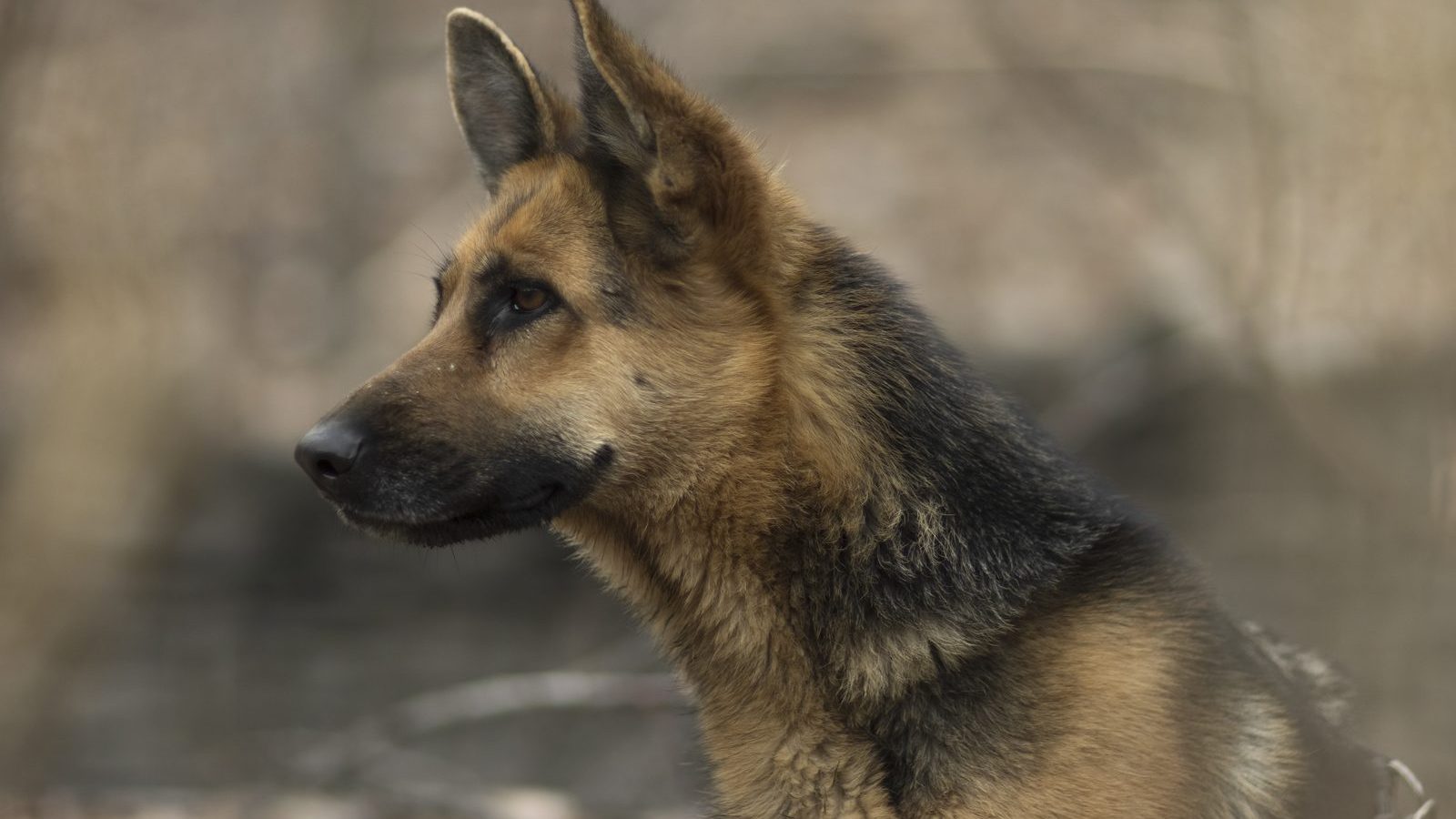
Short answer: short sessions, good food, and the same rules from everyone
German Shepherds train faster than almost any breed — if you use five-minute sessions, several times a day, pay generously with food, and never let a cue mean something different depending on who says it. Start with name, come, sit, settle and loose lead. Everything else is built on those five. Reward-based methods are not the soft option here; on a sensitive, powerful breed they are the option that actually works.
Here is something nobody tells you at the start: your German Shepherd is already being trained, all day, whether or not you are running sessions. Every time barking makes the postman leave, every time jumping up gets a reaction, every time pulling on the lead makes the lamppost arrive — the dog is learning. Formal training is just you joining in on purpose.
That is good news, because this is a breed built to learn. German Shepherds pick things up in a handful of repetitions and remember them for years. The skill is not making them learn. It is making sure what they learn is what you meant.
This guide is the complete picture: how dogs actually learn, the marker system that speeds everything up, the ten cues worth teaching, a realistic plan by age, how to structure a session, what to do when training falls apart at nine months, and the equipment that helps — plus a clear list of methods to avoid and why.
Owners of German Shepherds at any age, from an eight-week-old puppy to an adult who has never had formal training. It is the hub guide — each big skill (recall, loose lead, crate, biting) has its own detailed article linked from here. Everything is reward-based; this site does not cover protection or bite-work training.
How Dogs Actually Learn
Strip away the jargon and there is one rule underneath everything: behaviour that pays gets repeated; behaviour that stops paying fades away. That is it. Every technique in this guide is a way of controlling what pays.
Two practical consequences follow, and they explain most training failures.
Timing is everything. A dog connects a consequence to whatever they were doing about a second before it arrived. Reward three seconds late and you have paid for whatever they did three seconds later — usually looking away, or standing up. This is why markers matter so much.
Value is decided by the dog, not by you. A dry biscuit may be worth doing a sit for in the kitchen and worth nothing at all next to a rabbit. If your dog “ignores” you outdoors, the usual problem is not stubbornness — it is that you are offering less than the environment is.
German Shepherds are not motivated by pleasing you in the abstract. They are motivated by food, games, access and information. Use all four and you will never need to raise your voice.
The Marker System That Speeds Everything Up
A marker is a sound that means “that exact thing, and a reward is coming”. A clicker works; so does a short word like “yes”. It solves the timing problem, because you can mark the instant your dog does the right thing and deliver the food a second later.
Charge the marker
Say “yes” (or click), then hand over a treat. Ask for nothing. Twenty repetitions, twice a day, for two days. Your dog should start looking at your hand the moment they hear it.
Why it works: the sound becomes a promise before you ever use it as information. Without that, “yes” is just a noise.
Mark the behaviour, not the position
Mark the moment the bottom touches the floor, the paws stay down, the head turns towards you. Not two seconds later when they are already moving on.
Why it works: the marker takes a photograph. Whatever is in the photograph is what gets stronger.
Add the cue word last
Get the behaviour happening reliably first, then start saying the word half a second before it happens. Naming something the dog cannot yet do just teaches them the word means nothing.
Why it works: the cue becomes a green light for a behaviour the dog already knows how to perform, rather than a puzzle.
Then fade the food — slowly
Once a behaviour is solid in a location, move from every repetition to roughly every second or third, unpredictably. Keep paying well for the hard ones — recall, settling near other dogs — essentially forever.
Why it works: unpredictable rewards are more powerful than constant ones. Stopping abruptly is what makes trained behaviours fall apart.
How to Run a Five-Minute Session
Long sessions are where enthusiasm goes to die. Five minutes, four to six times a day, beats forty minutes on a Sunday every single time — and it fits into a normal life far better.
Treats ready in a pouch, phone away, one skill in mind. Take the food from the day’s ration so you are not adding calories — see the feeding guide.
Start with something your dog already knows. Two or three quick repetitions to switch their brain on and get the rhythm going.
Ten to fifteen repetitions of the skill you are actually working on. If they get it wrong twice in a row, make it easier — do not repeat the same failure.
Finish on something they do brilliantly, so the session ends with success rather than confusion.
A clear release word — “all done” — then genuinely stop. Ending while they still want more is what keeps them keen next time.
Any skill has three dials: distance, duration and distraction. Only ever turn up one at a time. A dog who can hold a settle for two minutes in the kitchen cannot do the same on a busy pavement — that is not disobedience, it is you turning up two dials at once.
The Ten Cues Worth Teaching
Skip the party tricks until these are solid. The first five are the foundation — everything else is easier once they are in place.
| # | Cue | Why it matters | How to start |
|---|---|---|---|
| 1 | Name response | The gateway to everything. Never use the name for telling off | Say the name once, mark and pay the head turn. 20× a day |
| 2 | Come | The one that keeps them alive | Charge a fresh cue word, pay hugely, always release again — full guide |
| 3 | Settle on a mat | The skill you use every single day for a decade | Reward lying quietly on a mat. Build duration slowly |
| 4 | Loose lead walking | Makes a 35 kg dog liveable | Tight lead = stop, pay at your leg — full guide |
| 5 | Leave it | Chicken bones, dropped pills, fox mess | Food in a closed fist; mark the moment they back off |
| 6 | Sit | An off-switch at doors, kerbs and bowls | Lure once or twice, then mark the offered sit |
| 7 | Down | More restful than a sit for long waits | Reward the elbows touching the floor, build duration |
| 8 | Drop / give | Turns a stolen sock into a trade, not a chase | Swap for something better, always. Never prise the mouth open |
| 9 | Go to bed | Doorbell, deliveries, dinner time | Pay heavily on the bed, add the cue once it is a habit |
| 10 | Hand target (“touch”) | Moves your dog anywhere without pulling | Present a flat palm, mark the nose bump |
The two most underrated skills
Settle and hand target. Settle is what makes a German Shepherd pleasant to live with — a dog who can switch off in a café, at the vet, in a friend’s kitchen. Hand target is the practical one: it moves your dog off the sofa, past a scary bin, into the car and out of a doorway without ever touching their collar.
A Training Plan by Age
| Age | Focus | Realistic goal |
|---|---|---|
| 8–12 weeks | Name, come, handling, toilet training, crate, settling | Comes to you in the house, sleeps in a routine, tolerates being touched everywhere |
| 3–5 months | Loose lead in the garden, leave it, sit, down, alone-time practice | Ten steps of loose lead, settles with a chew, stays alone 20 minutes |
| 5–7 months | Recall on a long line, drop, go to bed, calm greetings | Recalls in a quiet field on a line, does not mug visitors |
| 7–12 months | Hold the line through adolescence. Proof the basics in new places | Same skills, harder places. Expect regression and stay patient |
| 12–18 months | Real-world proofing: cafés, traffic, other dogs, visitors | Reliable in most everyday situations |
| Adult | Maintenance plus something new: scent work, tricks, sport | A dog with a job and a lifelong habit of learning |
The free training plan generator will build a week of short sessions around your dog’s age and the skills you most need.
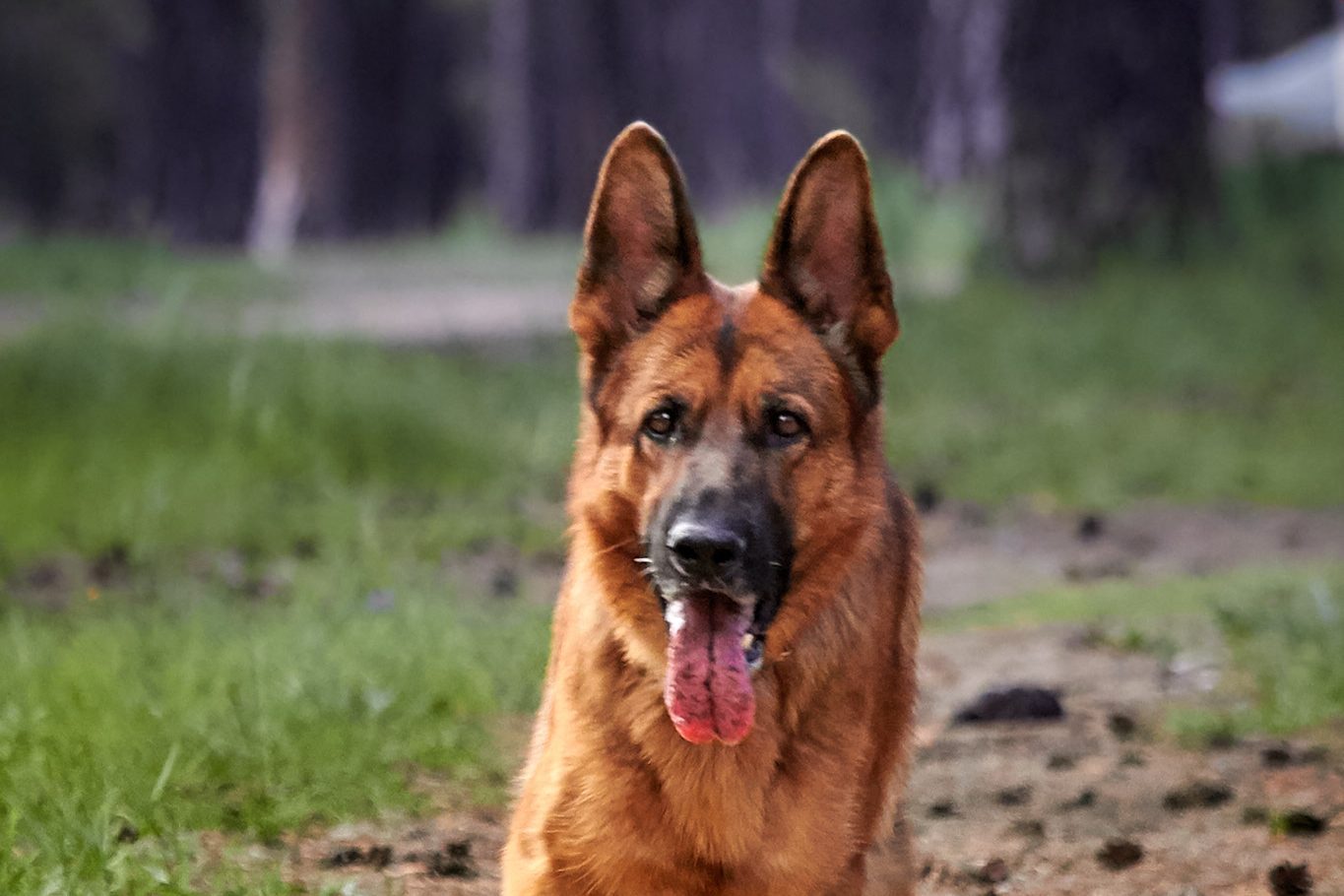
When It Falls Apart at Nine Months
It will. Somewhere between seven and eighteen months, the puppy who knew ten cues will stare straight through you as though you have never met. This is adolescence, it is developmental and hormonal, and it happens to nearly every dog of this breed.
- Put the long line back on without shame
- Drop back to easier locations for a few weeks
- Raise the value of your food right up
- Shorten sessions to two or three minutes
- Keep every repetition winnable
- Protect sleep — tired teenagers are worse
- Deciding the dog is “being dominant”
- Escalating to harsher equipment
- Repeating a cue louder and louder
- Letting recall fail over and over off-lead
- Adding more and more exercise
- Giving up on training for six months
Adolescence is not your training coming undone. It is a temporary bad connection — and how you behave during it decides what the adult dog thinks of training for the rest of their life.
Fixing the Four Most Common Problems
Jumping up at people
Jumping is a greeting that has always worked — someone always reacts. Turn away and become boring the instant the front paws leave the ground, then pay heavily for four paws on the floor. Better still, teach “go to bed” as the doorbell routine so the dog has a job instead of a decision. Ask visitors to ignore the dog until all four feet are down; the people are usually the hard part.
Barking at the window or the door
Alerting is what this breed does. Manage the trigger first — move the bed away from the window, use frosted film, add background sound — then reward the dog for looking at a noise without barking. Punishing the bark tends to produce a dog who is anxious about noises rather than a quiet one. Full detail in why do dogs bark.
Stealing and running off with things
Chasing a Shepherd who has your sock is the best game they will play all week — and it teaches them that stealing starts the fun. Instead, teach a trade: approach calmly, offer something better, mark the drop, hand the good thing over, and sometimes give the sock back. A dog who believes you will trade fairly does not need to run.
Not listening outdoors
Almost always a proofing gap rather than defiance. Skills do not transfer automatically from your kitchen to a field full of smells. Retrain each cue in the new environment as though it were brand new, with better food, at a lower difficulty — and accept that a busy park is one of the hardest places on earth for a young dog.
Methods to Avoid (and Why)
There is a lot of confident, old-fashioned advice aimed at this breed in particular, usually built around “showing them who is boss”. It is worth knowing why the professional bodies have moved away from it.
| Method | Problem | Do this instead |
|---|---|---|
| Alpha rolls / pinning | Based on discredited wolf-pack theory; frightens the dog and risks bites | Manage the situation, reward the behaviour you want |
| Prong and choke collars | Work through discomfort; risk of neck injury; linked to increased fear and aggression | Well-fitted Y-harness plus consistent lead rules |
| Shock / e-collars | Suppress behaviour without teaching an alternative; banned or restricted in several countries | Long line and high-value rewards — see our honest look at shock collars |
| Shouting and scruffing | A sensitive breed learns that hands and voices are unpredictable | Quiet interruption, then redirect to something legal |
| Withholding food as punishment | Damages the relationship with meals and with you | Use the food as payment for the behaviour you want |
“You need to dominate him.” · “He knows he did wrong.” · “We use a bit of correction with this breed.” · “Guaranteed results in one session.” A good trainer talks about what they will reinforce, welcomes questions, and never asks you to hurt or frighten your dog.
Classes, Trainers and Going Further
A good class does two things a book cannot: it teaches your dog to work near other dogs, and it gives you feedback on your timing. Look for small groups, reward-based methods, and a trainer who spends as much time on settling and handling as on sit and down. Ask what qualifications and professional body membership they hold — the industry is unregulated in many countries, so anyone can call themselves a trainer.
Once the basics are solid, this breed thrives on having a hobby. Scent work suits almost every Shepherd, including nervous or elderly ones. Rally, obedience, agility (after growth plates close), herding and tracking are all popular. The activity matters less than the fact that your dog has something regular to think about — see activities for your German Shepherd.
Training Gear That Helps
We recommend product types and the features that matter rather than sponsored placements, and we link to live Amazon results instead of quoting prices that go stale. As an Amazon Associate we may earn from qualifying purchases — at no extra cost to you.
A treat pouch, soft training treats and a clicker
Unglamorous and genuinely the difference between training happening and not happening. A pouch clipped to your belt means you can pay a good decision in under a second, which is the whole game — and pea-sized soft treats let you do fifty repetitions without filling your dog up.
- Removes the friction that stops most owners training daily
- Soft treats are swallowed instantly — no chewing pauses
- A clicker sharpens your timing more than any technique
- Use food from the daily ration so nobody gains weight
Good to know: keep a separate, higher-value stash — chicken or cheese — for recall and anything near other dogs. Ordinary biscuits are for the kitchen, not for competing with the outside world.
| Item | What to look for | Find it |
|---|---|---|
| Y-shaped harness | Shoulders free, front and back rings | See options → |
| Long line 5–10 m | Biothane, attached to a harness only | See options → |
| Training mat | Non-slip, portable — for the settle cue | See options → |
| Tug toy with handles | Two handles, strong stitching — a reward that is not food | See options → |
| Snuffle mat | Calms a dog down after an exciting session | See options → |
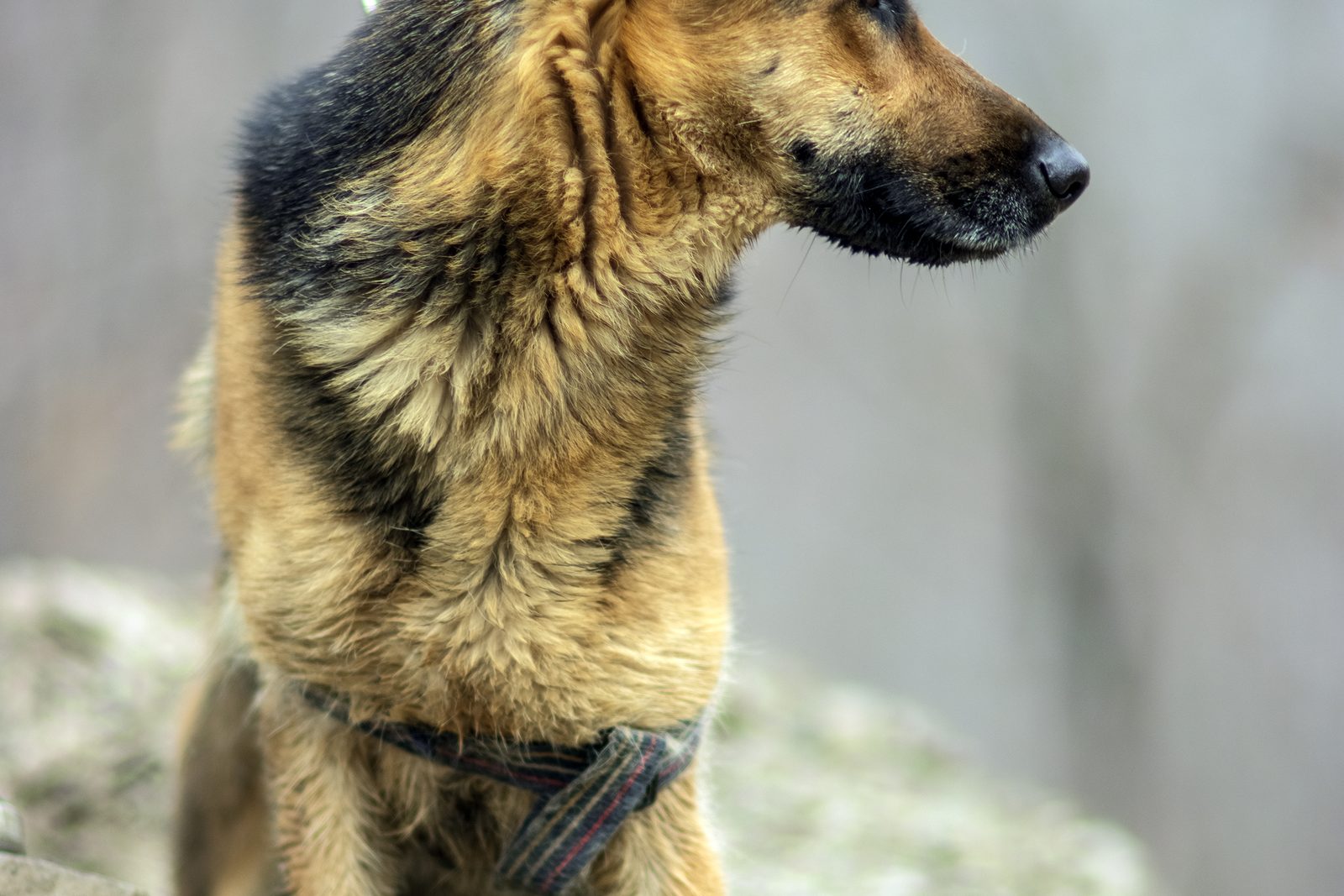
7 Mistakes (and the Fix for Each)
❌ 1. Long, occasional sessions
Twenty minutes once a week teaches very little and bores the dog rigid.
✅ Fix: five minutes, four to six times a day, folded into normal life.❌ 2. Repeating the cue
“Sit… sit… SIT!” teaches your dog that the first three are optional.
✅ Fix: say it once. If nothing happens, make it easier or help — never repeat louder.❌ 3. Everyone using different words
“Down”, “off”, “get down” and “lie down” meaning four different things to four family members.
✅ Fix: write the cue list on the fridge. One word per behaviour, used by everybody.❌ 4. Fading the food too early
The behaviour works for a week, the treats stop, and it quietly disappears.
✅ Fix: thin the rewards gradually and unpredictably, and keep paying for the genuinely hard things.❌ 5. Training only when the dog is wild
A dog who has just seen a squirrel cannot learn anything.
✅ Fix: teach new things when they are calm; practise known things when they are excited.❌ 6. Expecting skills to transfer
Perfect in the kitchen, useless in the park — and the owner concludes the dog is being stubborn.
✅ Fix: retrain each cue in each new place, starting easy. Distraction is a dial, not a test.❌ 7. Punishing a growl
A growl is information — a warning that saves everyone. Punish it and you get a dog who skips the warning.
✅ Fix: thank the growl, increase the distance, work out what caused it, and get professional help if it repeats.Frequently Asked Questions
At what age should I start training a German Shepherd?
The day they come home, usually around eight weeks. Early training is not formal obedience — it is name response, coming to you, being handled, settling and toilet training. Those five things shape everything that follows.
How long does it take to train a German Shepherd?
Basic cues take days to weeks. A genuinely reliable dog in the real world takes one to two years, because reliability comes from proofing in dozens of environments, and because adolescence interrupts progress. Training then continues at a lower level for life.
Are German Shepherds easy to train?
They learn unusually fast, which makes them easy in one sense and demanding in another — they also learn unhelpful habits at the same speed, and they need mental work daily. Easy to teach, hard to under-stimulate.
Do I need a professional trainer?
Not for the basics, if you follow a structured plan. Do get professional help early for fear, aggression, reactivity to dogs or people, resource guarding, or separation distress — those are behaviour problems rather than training gaps, and they get harder to fix with time.
Should I use treats or will my dog just obey me?
Use treats. Dogs do what pays, and food is the fastest, clearest currency there is. You are not bribing — you are paying wages, and wages get thinned out once the job is learned.
My German Shepherd is two years old and untrained. Is it too late?
Not at all. Adult dogs often learn faster than puppies because they concentrate for longer. Start with the same five foundation cues, use the same short sessions, and expect a few weeks to undo well-practised habits.
✅ Your Training Checklist
- A charged marker word (“yes”) or clicker
- Treat pouch by the back door, loaded from the daily ration
- Separate high-value stash for recall and distraction work
- Five-minute sessions, four to six times a day
- One cue word per behaviour, agreed by everyone in the house
- Cue said once — never repeated louder
- Only one dial turned up at a time: distance, duration or distraction
- Every session ends on a win, and ends early
- Long line for recall until it is 10/10 in that location
- Settle on a mat practised daily
- Nothing that works through pain or fear — ever
- Professional help booked early for fear, aggression or guarding
The Bottom Line
Training a German Shepherd is not about control. It is about being clear, being consistent, and paying properly for the behaviour you want — from a dog who is desperate to have something to do with you.
Five minutes, several times a day. One word per behaviour. Reward well, end early, and keep going through adolescence without escalating. Do that and you end up with the dog people stop you in the street about — and you get there without ever needing to frighten them.
- Recall training — a reliable “come” from scratch
- Loose lead walking — stop the pulling for good
- Solving behaviour problems — the eight most common issues
- Free training plan generator — a week of short sessions for your dog’s age
Recommended German Shepherd gear for this guide
Training treat pouch with clip
Best for: Hands-free training sessions
- Magnetic close
- Clip-on belt
Affiliate link — we may earn a commission, at no cost to you.
Low-calorie training treats
Best for: High-frequency reward training
- Soft, easy to break
- Quick consumption
Affiliate link — we may earn a commission, at no cost to you.
Long training line (30ft)
Best for: Recall practice in safe open areas
- Builds recall
- Lightweight options
Affiliate link — we may earn a commission, at no cost to you.

Keep reading
More in Training →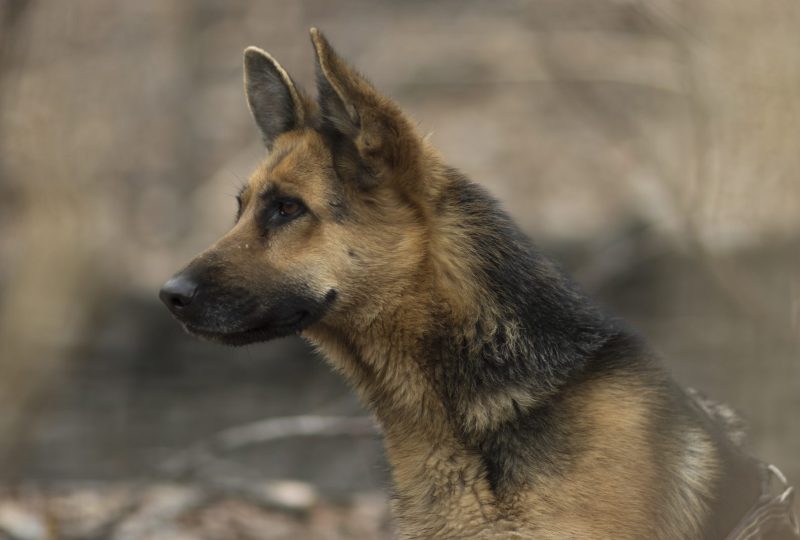
Watchdogs vs Guard Dogs: The Honest Difference
What separates a watchdog from a guard dog, what German Shepherds actually are, why protection training is wrong…
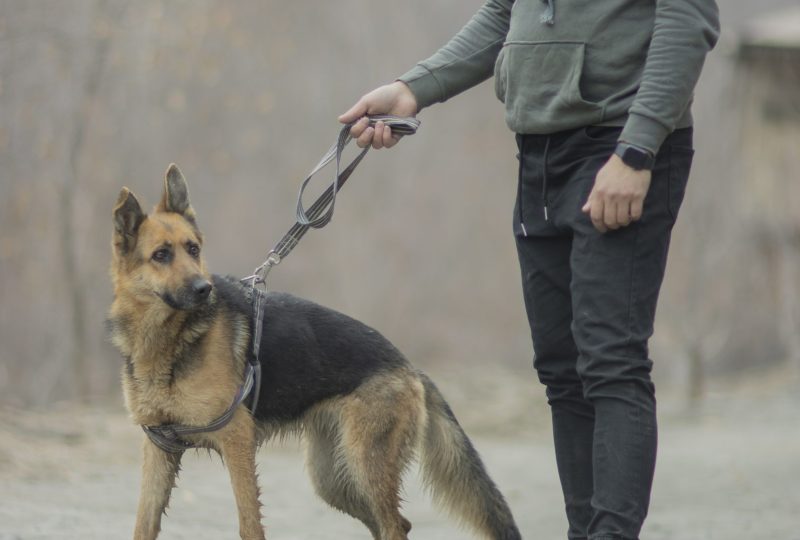
How to Stop a German Shepherd From Pulling on the Leash
A calm, repeatable loose-leash walking plan for German Shepherds — no prong collars, no yanking, no shutting the…
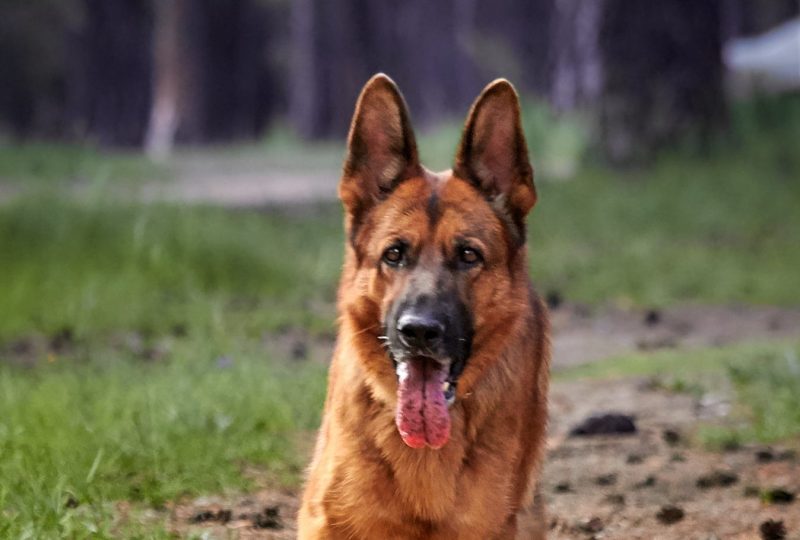
German Shepherd Recall Training: A Reliable “Come” From Scratch
Build a recall your German Shepherd actually responds to — on a long line first, then in real…