The Most Adorable Dog Breeds (and Where German Shepherds Fit)
Why we find certain dogs irresistible, fifteen genuinely adorable breeds with the honest version of living with each, the health warning that matters when choosing on looks, and how to actually choose.

Short answer: adorable is a real thing, and it is a terrible way to choose a dog
We find certain dogs irresistible for a measurable reason — big eyes, round heads and short muzzles trigger the same instinct that makes us melt at babies. The problem is that some of the cutest-looking breeds have been bred so far in that direction that they struggle to breathe, and the least “cute” dog on the list may be the best companion in it. Here are fifteen genuinely adorable breeds, with the honest version of what living with each one is like.
Everyone has done it. You are scrolling, a photograph of a puppy appears, and something in your chest does a small involuntary thing. Within four minutes you are reading about breeders. It is such a universal experience that scientists have given the effect a name — and understanding it is genuinely useful, because it is the single biggest reason people end up with the wrong dog.
This is not a list designed to talk you out of anything. Adorable dogs are adorable, and there is nothing wrong with wanting to live with something beautiful. But a dog is cute for about eighteen months and a family member for fifteen years, and the honest version of each breed is what makes that fifteen years go well.
So: why we find certain dogs adorable, fifteen breeds that reliably melt people, what each is genuinely like to live with, the health warning that matters most when choosing on looks, and where the German Shepherd sits on the cuteness scale (spoiler: extremely high, for about six months).
Anyone choosing a first dog, anyone adding a second, and anyone who just enjoys reading about dogs. Every breed note here is about typical traits — individual dogs vary enormously, and how a dog is raised matters more than its breed label.
Why We Find Some Dogs Adorable
The effect has a name: the baby schema, described by the ethologist Konrad Lorenz. Certain physical features — a large head relative to the body, a rounded skull, big low-set eyes, a short muzzle, soft rounded body shape — trigger a caregiving response in humans. They are the features of human infants, and we respond to them in other species too.
Two other things stack on top. Dogs are the only animal that reliably makes eye contact with humans in a way we read as connection. And many breeds have the muscle that raises the inner eyebrow, producing the “puppy dog eyes” expression — research suggests dogs who do this more often are rehomed from shelters faster. We are, in a very real sense, being played. Beautifully.
The features that make a dog look adorable — flat face, huge eyes, tiny body — are the same features that, taken to extremes, cause breathing, eye and spinal problems. Cuteness and welfare pull in opposite directions, and that tension is the single most important thing to understand before choosing a breed on looks.
Adorable Small Breeds
| Breed | Why people melt | The honest version |
|---|---|---|
| Cavalier King Charles Spaniel | Enormous dark eyes, silky ears, famously sweet nature | Genuinely lovely temperament — but the breed has serious inherited heart and neurological problems. Only from a breeder doing full health testing |
| Pomeranian | A walking pom-pom with a fox face | Bold, chatty, surprisingly loud. Coat needs real grooming, and dental problems are common in small breeds |
| Dachshund | Comic proportions and a very serious expression | Bright and stubborn. Long backs mean a real risk of disc disease — no stairs, no jumping off sofas, keep them slim |
| Bichon Frise | A cloud with eyes | Cheerful and people-focused. That coat needs professional grooming every few weeks, forever |
| Shih Tzu | Flowing coat, sweet flat face | Affectionate lapdog. Flat-faced, so watch breathing and eyes; daily grooming unless kept clipped |
Adorable Medium Breeds
| Breed | Why people melt | The honest version |
|---|---|---|
| Beagle | Soft ears, hopeful expression, permanently pleased | Wonderful family dog with a nose that overrules everything. Recall is a lifelong project, and they are loud |
| Cocker Spaniel | Those ears, that waggy optimism | Busy, affectionate and needs a job. Ears need weekly checking; coat needs regular grooming |
| Corgi | Short legs, huge ears, comedy backside | Clever, bossy herding dog in a small package. Long back needs care, and they shed astonishingly for their size |
| Border Collie | Intense eyes, elegant coat, that head tilt | Possibly the smartest dog there is — and the most likely to be miserable in an under-stimulating home. Not a beginner’s dog |
| Shiba Inu | Fox-like, immaculate, famously photogenic | Independent and aloof, closer to a cat in outlook. Recall is genuinely difficult and they are strong-willed |
Adorable Large Breeds
| Breed | Why people melt | The honest version |
|---|---|---|
| Golden Retriever | The permanent smile and the soft eyes | Deservedly popular family dog. Sheds heavily, needs real exercise, and prone to some cancers — health testing matters |
| Labrador | Otter-eyed optimism, especially as a puppy | Friendly and biddable, and food-obsessed to a degree that makes weight control a lifelong task |
| Bernese Mountain Dog | Teddy-bear markings and a gentle face | Calm and lovely with families — but a short lifespan and a high rate of certain cancers. Go in with open eyes |
| Samoyed | The “Sammy smile” and a cloud of white coat | Cheerful, vocal, and the grooming is a serious commitment. Bred to work; they get bored easily |
| German Shepherd | Noble head, expressive ears, and a puppy stage that stops traffic | Brilliant, loyal, demanding. Needs a job, sheds constantly, and adolescence lasts to about eighteen months |
Where the German Shepherd Fits
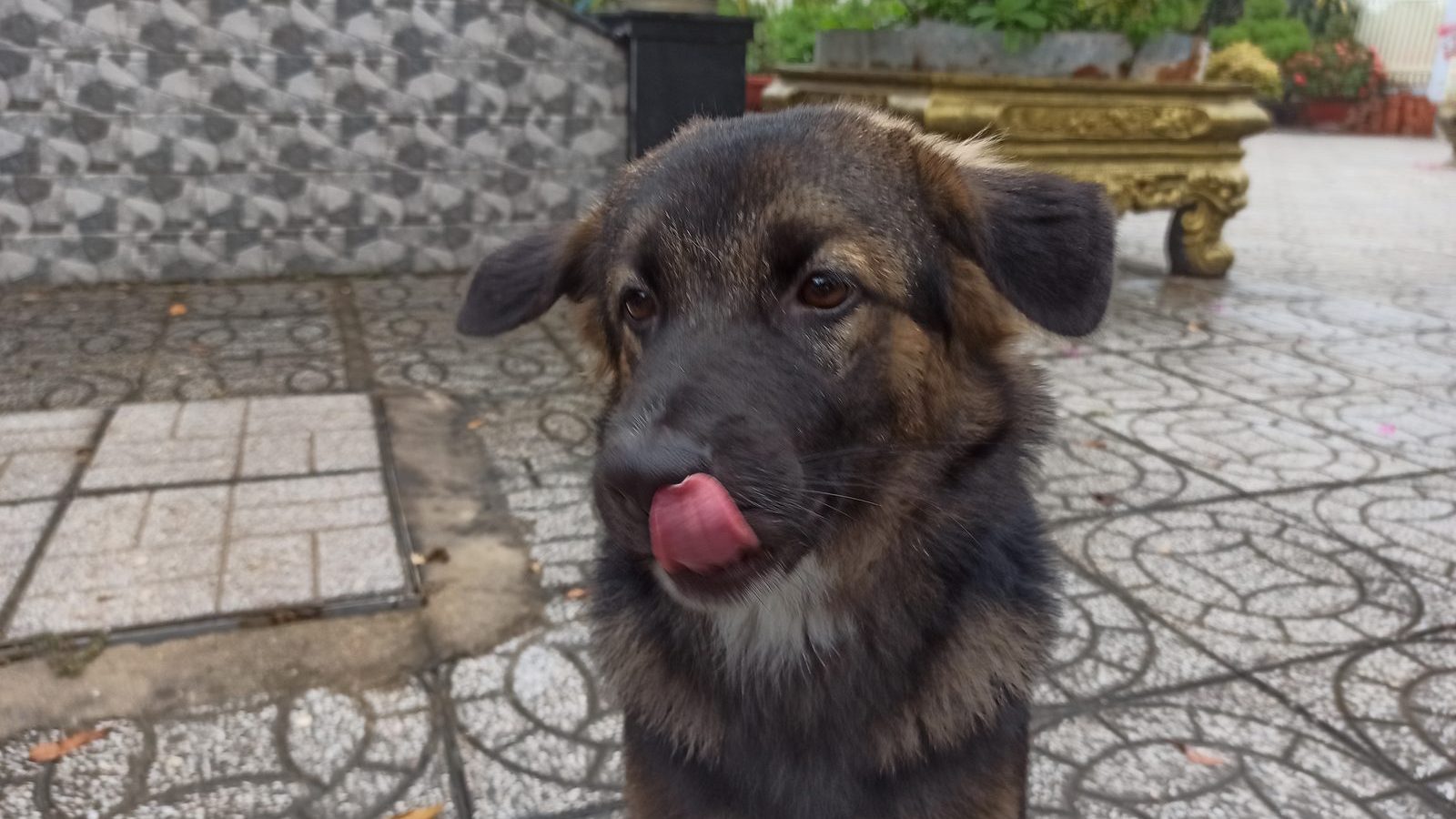
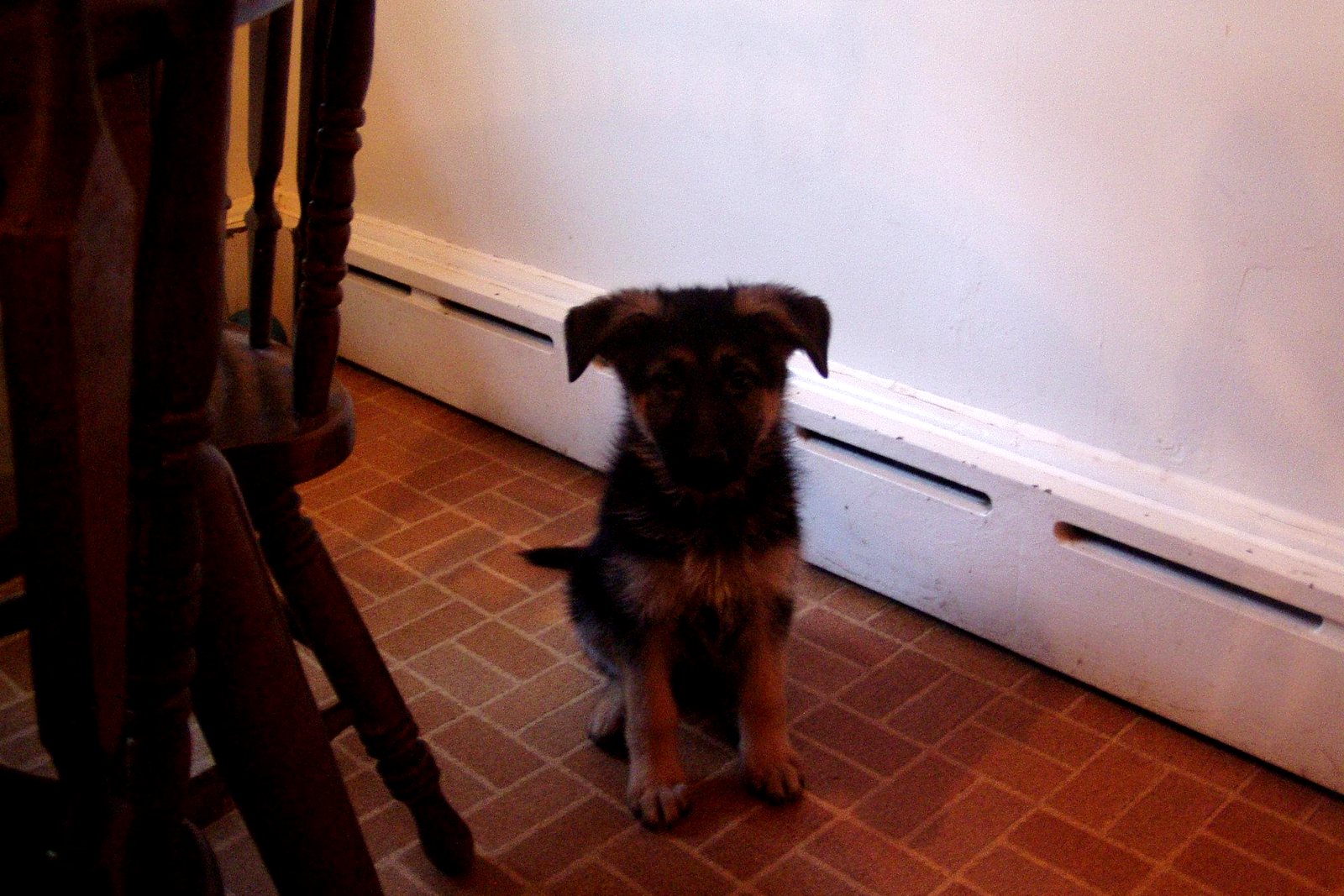
German Shepherd puppies are a textbook case of the baby schema: an oversized head, dark round eyes, ears too big for the skull that flop and rotate independently for weeks, and a fluffy body that looks like a soft toy. Almost nobody walks past one.
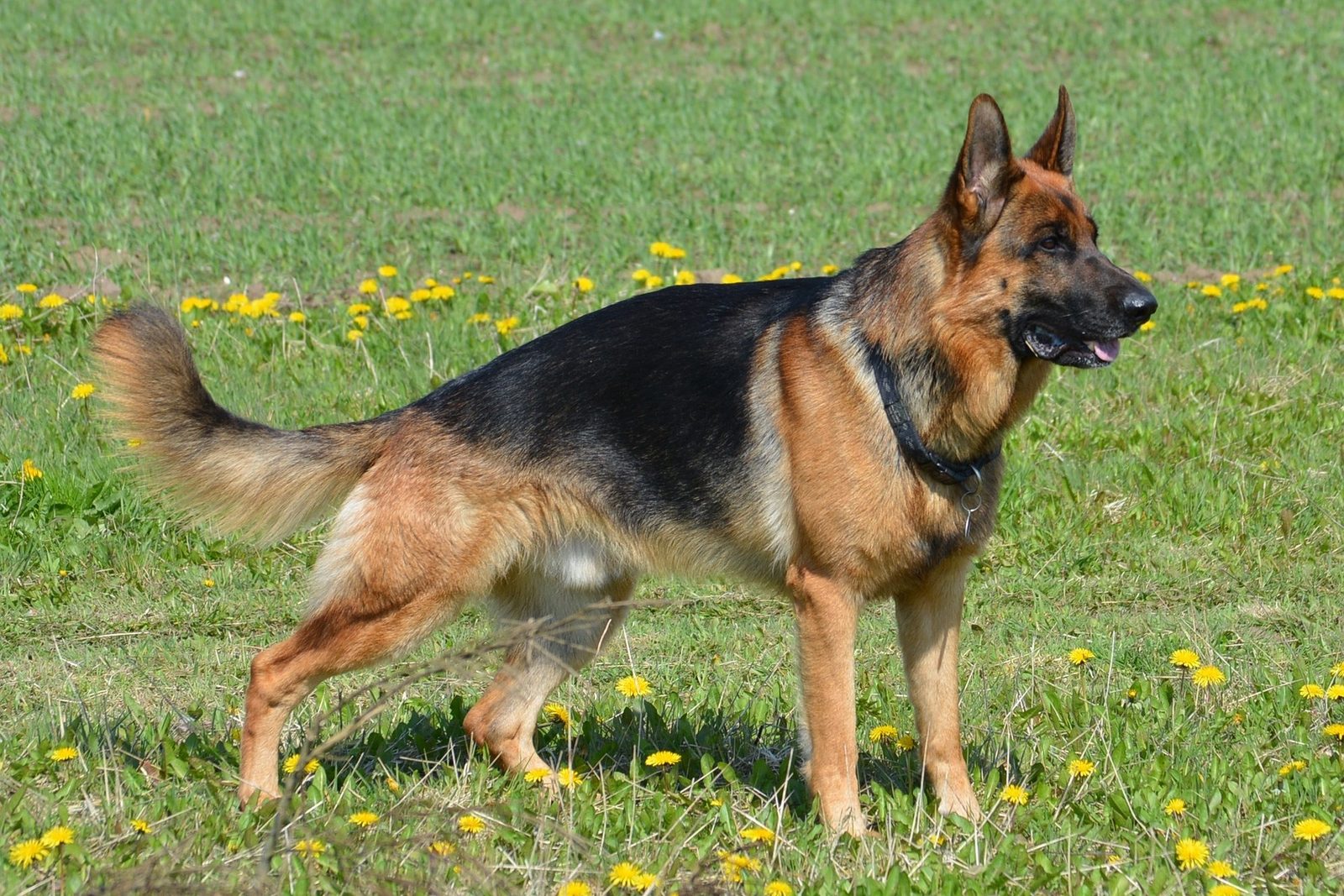
Then the ears go up, the muzzle lengthens, the coat changes, and by a year old you have an athletic, watchful working dog who looks nothing like the soft toy. Plenty of people find that adult far more beautiful — but it is a different kind of beauty, and it comes with a job description.
The honest summary: this is one of the most rewarding dogs you can own and one of the most demanding. An hour or two of activity a day, brain work most days, hair on everything, and an adolescence that tests people. If that sounds appealing rather than exhausting, the full picture is in introducing the German Shepherd.
The Health Warning That Matters Most
This is the part of any “cutest breeds” article that usually gets left out, and it is the part that changes lives.
Several extremely popular “adorable” breeds are brachycephalic — flat-faced. Pugs, French Bulldogs, English Bulldogs, Boston Terriers, Shih Tzus and Pekingese all have skulls that have been selectively shortened, and the soft tissue inside has not shortened with them. Many struggle to breathe normally, overheat easily, cannot exercise freely, and a significant number need surgery to open their airways. Veterinary bodies in several countries have publicly asked people to think carefully before buying them, precisely because demand driven by cuteness has made the problem worse.
Can it breathe easily? A dog should be able to walk, play and sleep without snoring, snorting or gasping. Can it move normally? No exaggerated backs, legs or joints. Can it see and blink properly? Eyes should not bulge or be obscured by skin folds. If a breed struggles with any of those, the cuteness is coming at the dog’s expense — and no amount of good ownership fixes anatomy.
None of this means the individual dogs are anything other than lovely — they are, and they deserve homes. It means that if you are choosing a puppy today, the kindest thing you can do is favour breeders and breeds moving away from extremes, and to ask about health testing before you ask about colour.
How to Actually Choose
Work through these in order. Looks come last on purpose — by which point you will usually find several breeds you like the look of anyway.
How many hours will the dog be alone on a normal weekday, and how much time can you genuinely give to walking and training every day for the next decade?
Be honest about your actual life, not your intended life. A collie or a Shepherd in a household that manages twenty minutes a day is a recipe for a miserable dog and a stressed owner.
Coat that needs professional grooming every six weeks? Hair on every surface in the house? Both are fine — but choose them deliberately rather than discovering them.
Look up the common problems for any breed you like, and what testing responsible breeders do. This is where you find out what the next decade might cost, financially and emotionally.
A good breeder or a reputable rescue, always. Meet the mother, see the litter at home, ask for health test results — and walk away from anyone who will not show you. See where to get your dog.
Now choose the one you find beautiful. There is no shame in it — just do it after the other five, not before.
The Cutest Stage of All — and What It Costs
Whatever breed you choose, the peak-adorable window is roughly eight to sixteen weeks. It is also, not coincidentally, the hardest stretch of dog ownership: broken sleep, toilet training, needle teeth, and a small animal who screams when you leave the room.
- Sleeping in impossible positions
- Ears doing something ridiculous
- First time in long grass
- Falling asleep mid-play
- The head tilt
- Being carried, briefly, before they get heavy
- Toilet trips every one to two hours, including at night
- Needle teeth in your hands and sleeves
- 18–20 hours of sleep that you have to arrange
- Chewed skirting, shoes and one phone charger
- Six weeks of not leaving the house for long
- The bill for kit, vaccinations and insurance
None of that is a reason not to get a puppy. It is a reason to be ready for one — our first 30 days checklist walks through it week by week.
Kit Any New Puppy Needs
We recommend product types and the features that matter rather than sponsored placements, and we link to live Amazon results instead of quoting prices that go stale. As an Amazon Associate we may earn from qualifying purchases — at no extra cost to you.
A stuffable rubber chew
Whatever breed you choose, the teething stage arrives and every soft toy dies. A hollow natural-rubber chew that you fill with food and freeze turns a wired, mouthy puppy into a quiet one for twenty minutes — and it is the single most useful thing in the cupboard for crate training and evening calm.
- Frozen versions last three to four times longer
- Lets you feed part of the daily ration as an activity
- Outlives the soft toys by several years
- Buy two so one is always in the freezer
Good to know: supervise the first few sessions, choose the softer puppy version for milk teeth, and replace any chew that starts to split.
| Item | Why every puppy needs it | Find it |
|---|---|---|
| Crate with divider | Toilet training, safe sleep, travel — size it for the adult dog | See options → |
| Enzyme cleaner | Ordinary cleaners leave a smell that says “toilet here” | See options → |
| Puppy playpen | Contains the chaos kindly while you cook or work | See options → |
| Y-shaped harness | Comfortable and safe for a growing body | See options → |
| Grooming brush | Start on day one so handling is normal forever | See options → |
7 Mistakes People Make Choosing on Looks
❌ 1. Choosing the puppy, not the adult
Every puppy is adorable. The dog you live with is the one they become at two years old.
✅ Fix: spend an hour with an adult of the breed before you commit. Ideally one having a normal, unimpressive day.❌ 2. Ignoring the breathing test
Snoring and snorting are often described as “characterful” when they are a dog struggling to move air.
✅ Fix: watch any breed you like walking briskly. If they cannot do it quietly, think hard.❌ 3. Paying a premium for “rare” colours
Rare colours are a marketing position, not a quality. It usually signals a breeder prioritising appearance over health.
✅ Fix: pay for health testing and temperament. Colour is the least important thing on the list.❌ 4. Underestimating the coat
Fluffy is beautiful and fluffy is a standing appointment every six weeks, or a house full of hair, or both.
✅ Fix: price up grooming for the breed’s whole life before you decide.❌ 5. Buying from a social media advert
The cutest photos frequently come from the worst sources — puppy farms know exactly which pictures work.
✅ Fix: always see the puppy with its mother, at home, and ask for health test paperwork.❌ 6. Matching the dog to a fantasy lifestyle
The hiking you plan to start, the running you mean to do. The dog lives in the life you actually have.
✅ Fix: choose for your average week over the last year, not your best one.❌ 7. Overlooking rescue
People assume rescue means damaged. Most rescue dogs are ordinary dogs whose owners’ circumstances changed.
✅ Fix: talk to a breed rescue. They know their dogs and will match you honestly — and adults come with their personality already visible.The best-looking dog in any room is usually the one who is fit, healthy, well-groomed and relaxed — and that has far more to do with the owner than the breed.
Frequently Asked Questions
What is the cutest dog breed?
There is no objective answer, but the breeds people consistently rate as adorable share the same features — large eyes, rounded heads, short muzzles and soft coats. Cavaliers, Pomeranians, Corgis, Golden Retrievers and Samoyeds turn up on almost every list, along with German Shepherd puppies.
Why do puppies look so cute?
Because of the baby schema — the same set of features that makes human infants trigger a caregiving response. Oversized head, big low-set eyes, short muzzle, clumsy movement. It is an evolved response in us, not a coincidence, which is exactly why it overrides sensible decision-making so easily.
Are flat-faced breeds really unhealthy?
Many have significant breathing, eye and skin problems as a direct result of skull shape, and several veterinary organisations have raised formal concerns about demand for them. Individual dogs vary, and some breeders are actively selecting for longer muzzles and better airways — those are the ones to seek out if you love the breed.
Are German Shepherds a good choice if I want a beautiful dog?
They are one of the most striking breeds there is — but they are a working dog first. Expect one to two hours of activity daily, daily mental work, constant shedding and a demanding adolescence. If you can meet that, they are extraordinary. If you cannot, choose a breed whose needs match your week.
Is it wrong to choose a dog based on looks?
Not at all — you will look at this dog every day for over a decade. Just make it the last filter rather than the first. Sort by time, energy, grooming, health and source first, then pick the one you find most beautiful from what remains.
Do mixed breeds count?
Absolutely, and rescue centres are full of them. Crossbreeds are not automatically healthier than pedigrees — that depends entirely on the parents — but you often get to meet an adult whose size, coat and temperament are already visible, which removes a great deal of guesswork.
✅ Before You Choose a Breed on Looks
- Spent time with an adult of the breed, not just puppies
- Checked it can breathe, move and see without difficulty
- Looked up the breed’s common health problems
- Asked what health testing responsible breeders do
- Priced up grooming for the dog’s whole life
- Been honest about hours alone on a normal weekday
- Been honest about daily exercise you will actually do
- Considered a breed rescue as well as a breeder
- Will see the puppy with its mother, at home
- Not paying a premium for a “rare” colour
- Insurance researched before collection day
- Chosen for the next fifteen years, not the first six months
The Bottom Line
Wanting a beautiful dog is completely normal, and the science explains exactly why certain faces get us. The trouble only starts when cuteness is the first filter instead of the last — because the features that melt us are sometimes the features that make a dog’s life harder.
Choose for time, energy, grooming, health and a good source. Then pick the face you love from what is left. Do it in that order and you will end up with a dog who is adorable at eight weeks, still lovely at eight years, and genuinely happy in between — which is the version of cute that actually matters.
- Introducing the German Shepherd — the honest breed profile
- The most popular dog breeds — and where the German Shepherd ranks
- Where to get your dog — breeder, rescue or rehome
- The new puppy checklist — what the first 30 days really involve
Recommended German Shepherd gear for this guide
Waterproof car seat cover (hammock)
Best for: Protecting back seats on trips
- Waterproof
- Side flaps
Affiliate link — we may earn a commission, at no cost to you.
Heavy-duty puzzle feeder
Best for: Mental stimulation and slow feeding
- Builds focus
- Slows fast eaters
Affiliate link — we may earn a commission, at no cost to you.
Padded training leash 6ft
Best for: Daily walking and city control
- Padded handle
- Strong hardware
Affiliate link — we may earn a commission, at no cost to you.

Keep reading
More in Lifestyle & Travel →
Best Dog Jokes and Funny Dog Stories
Eighty dog jokes and puns, German Shepherd humour only owners get, the funny stories every household recognises, jokes…
The White Shepherd: Breed, Colour Genetics and How They Differ
What causes the white coat, why white shepherds are not albino and not prone to deafness, the 1933…
The Dog Breeds Closest to Wolves (What the DNA Actually Shows)
What genetic closeness to wolves really measures, the eight breeds in the ancient cluster, why the wolf-like German…